
“Imagine walking into a gallery and seeing...”
almost nothing. A few geometric boxes. A row of identical fluorescent lights. A steel plate on the floor. That's Minimalism, and yes, it's absolutely art. Born in 1960s New York City, Minimalism was a radical rejection of everything that came before it—no more emotional Abstract Expressionist brushstrokes, no more pop culture references, no more artistic drama. These artists wanted to strip art down to its bare essentials: shape, color, material, and space.
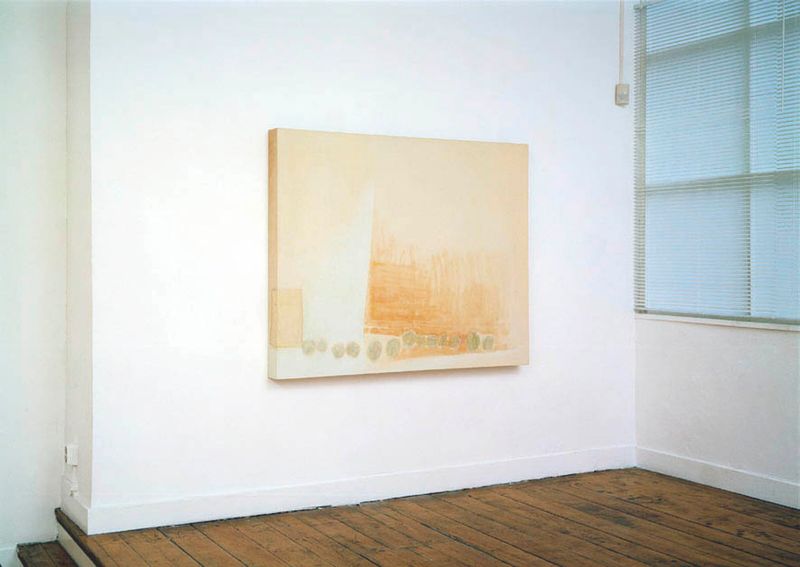
Minimalist artists like Donald Judd, Dan Flavin, and Agnes Martin believed that art didn't need to represent anything or express feelings. Instead, they created works that were simply what they were—a cube is a cube, light is light. They used industrial materials like steel, plywood, and fluorescent tubes, often having their pieces fabricated in factories rather than handcrafting them. The gallery space itself became part of the artwork, with viewers encouraged to walk around the pieces and experience how they occupied three-dimensional space.
What makes Minimalism so distinctive is its almost aggressive simplicity. If you find yourself thinking 'I could have made that' or 'Is this really art?'—congratulations, you're having the exact reaction these artists anticipated. But look closer: notice the precision, the relationship between the object and the room, how the light falls across those surfaces. Minimalism asks you to slow down and really see, to appreciate the pure visual experience without stories, symbols, or sentiment getting in the way.
- Period
- c. 1963–1980
- Peak
- around 1970
- Born in
- New York City, United States
- Key artists
- Agnes Martin, Anne Truitt, Brice Marden, Carl Andre
- Came before
- Abstract Expressionism
- Came after
- Postminimalism and Conceptual Art
When it happened
- CAME BEFOREAbstract Expressionism
- ~1963 · STARTED
- ~1970 · PEAKED
- ~1980 · ENDED
- CAME AFTERPostminimalism and Conceptual Art
What makes it Minimalism
Geometric Purity
Simple shapes—cubes, rectangles, lines—repeated or arranged in grids. No curves, no decoration, no complexity.
e.g. Equivalent VIII by Carl AndreIndustrial Materials
Steel, aluminum, plywood, concrete, fluorescent lights—materials that look factory-made, not hand-touched.
e.g. Untitled (Stack) by Donald JuddMonochrome or Limited Palette
Often single colors or neutral tones. When color appears, it's flat and uniform—no gradients or brushwork visible.
e.g. The Monuments of Passaic by Robert SmithsonSerial Repetition
Identical or nearly identical units arranged in sequences. The pattern itself becomes the subject.
e.g. The Diagonal of May 25, 1963 by Dan FlavinSite-Specific Presence
Works interact with the architecture—filling corners, spanning walls, sitting directly on floors without pedestals.
e.g. Untitled by Donald Judd (Chinati Foundation)How to spot Minimalism
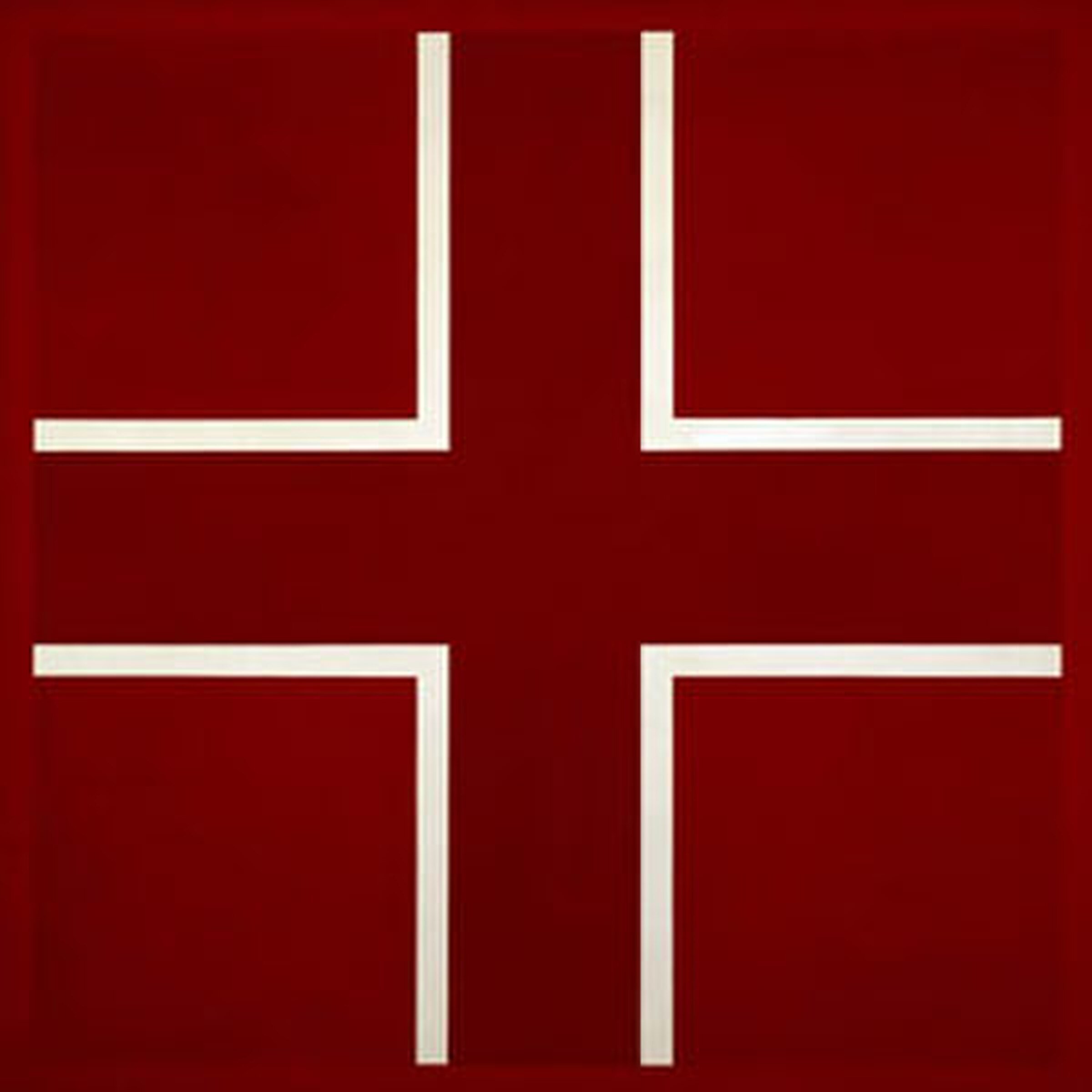
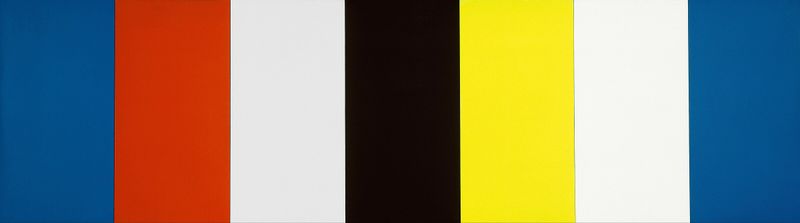
Three signs you’re standing in front of one — all easy to see in Red Yellow Blue White and Black.
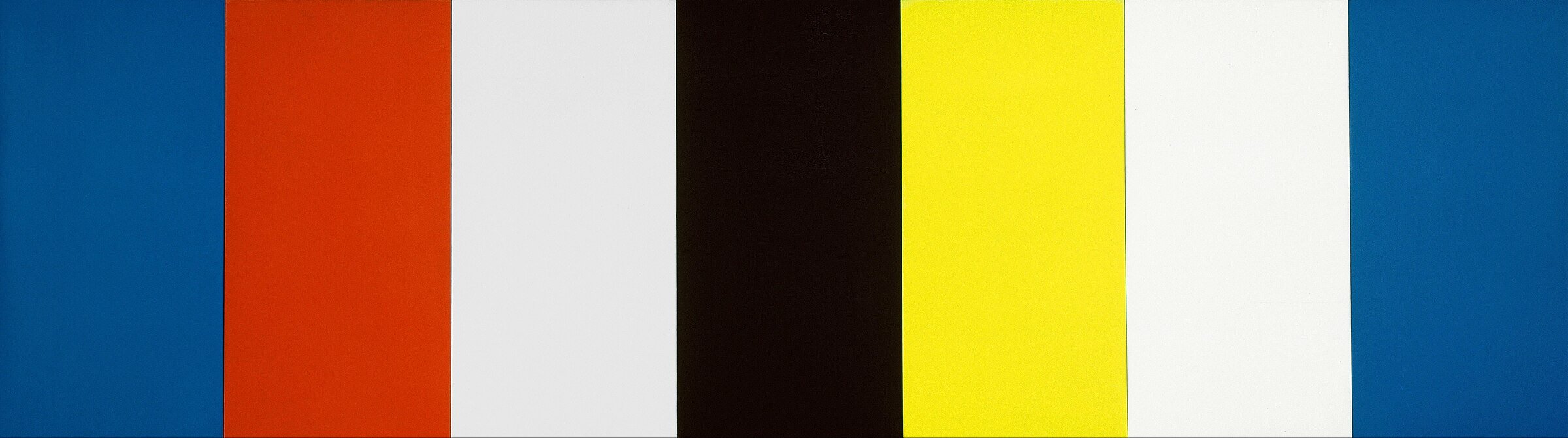
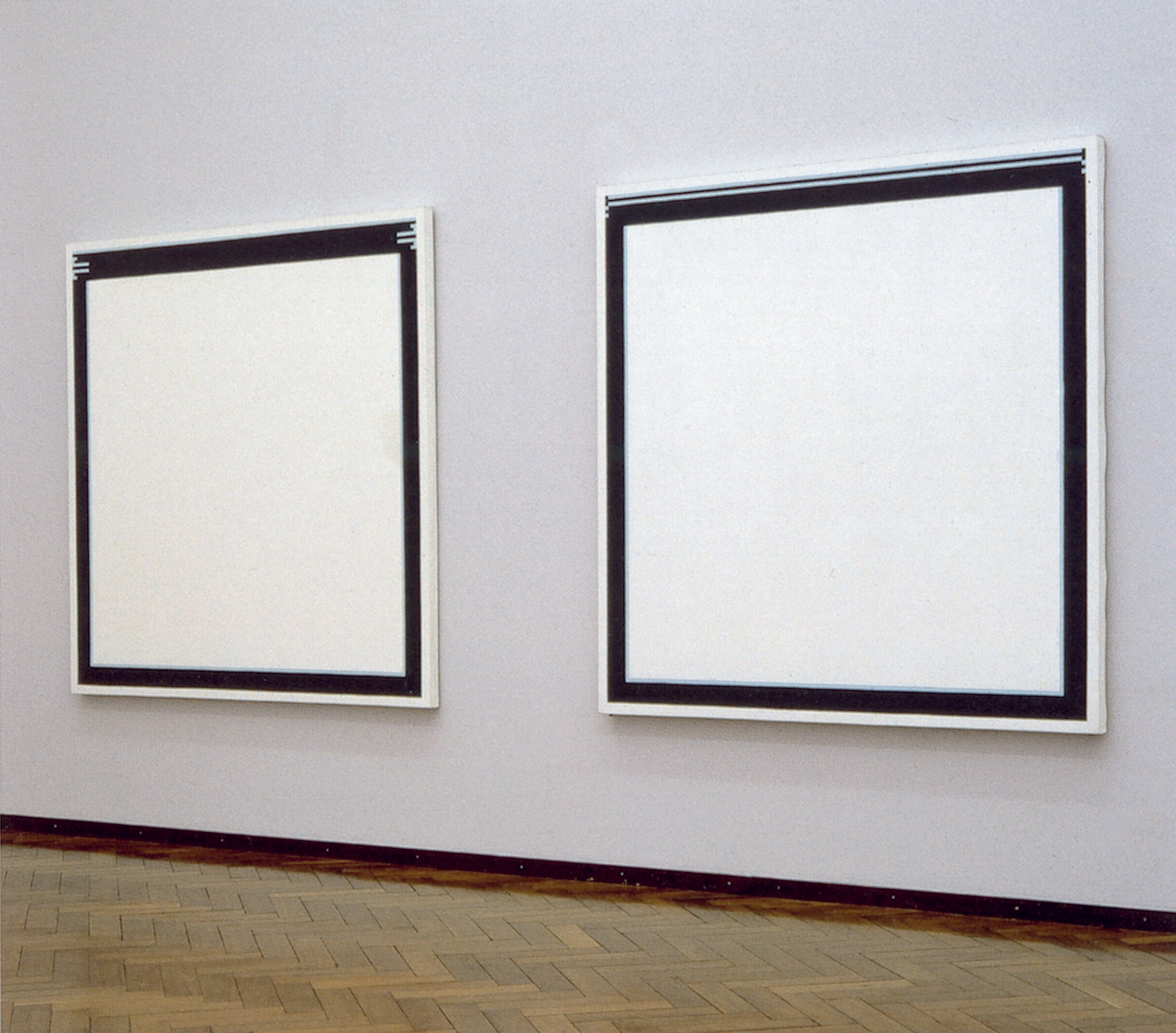
Look for geometric shapes so simple they seem almost absurdly basic—perfect cubes, straight lines, flat rectangles with machine-like precision.
Check the materials: if it looks like it came from a hardware store or factory rather than an artist's studio, you're likely looking at Minimalism.
Notice what's NOT there: no brushstrokes, no symbolism, no pedestals, no frames. The work sits directly in your space with almost confrontational simplicity.
Donald Judd hated the term 'Minimalism'—he called his work 'specific objects' and thought critics invented the label to dismiss his art.
Carl Andre's Equivalent VIII (120 firebricks in a rectangle) caused a scandal when Britain's Tate Gallery bought it—tabloids called it a waste of money.
Dan Flavin created an entire art career using only commercially available fluorescent light tubes bought from hardware stores—he never modified them.
The artists who defined it
Works to know
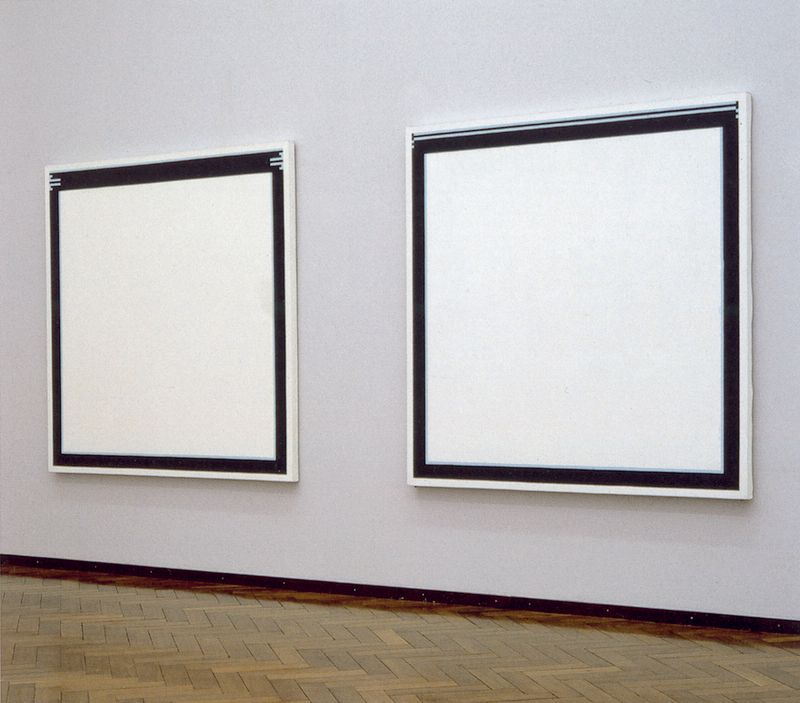
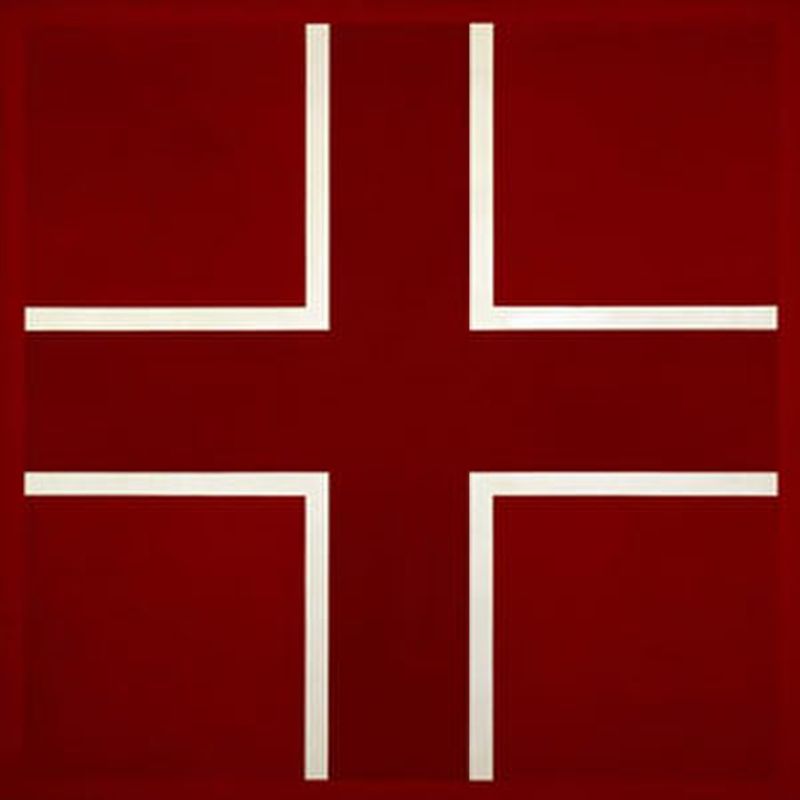
Take Minimalism to the museum
Point your phone at any painting and Art Whisper tells you its story — who made it, what to notice, and why it matters. Free to start.