01
The glowing lamp
Start at the left edge, where the lamp's white shade blazes against the dark room. It is the light source for the whole night scene.
1 of 5 on the painting
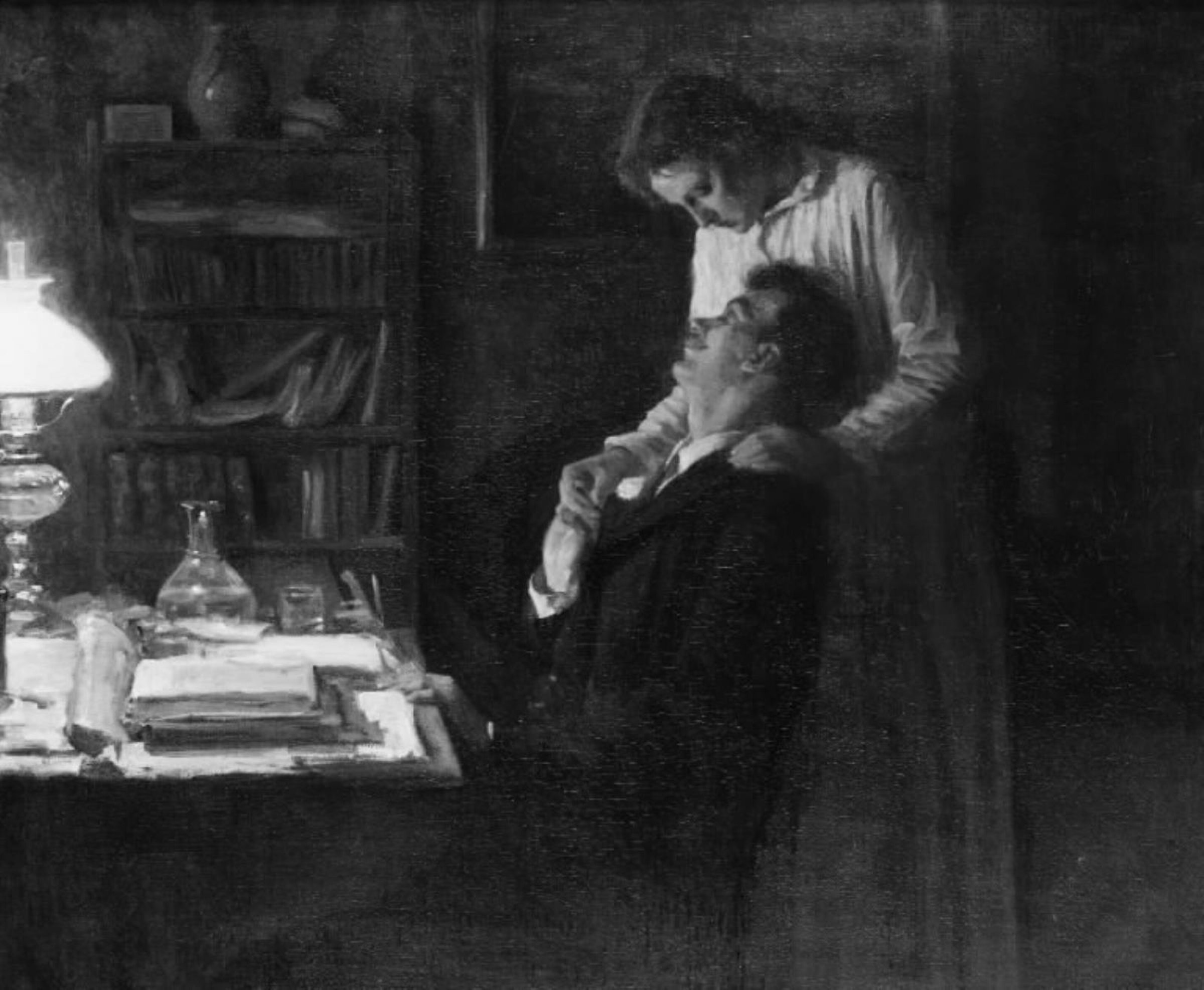
“Stop to appreciate this intimate scene of a solitary figure in the glow of a lamp, capturing a universal moment of quiet reflection in the dead of night. It's a beautiful example of how light can evoke mood and emotion.”
In "Over midnat" (After Midnight), a lone figure sits at a table, bathed in the soft, intimate glow of a lamp. The scene captures a quiet moment, perhaps of reflection or contemplation, long after the rest of the household has gone to sleep. Valdemar Irminger, known for his sensitive portrayal of children, here turns his gaze to an adult in a private, almost vulnerable state. The muted palette and the deliberate focus on light and shadow create a sense of hushed intimacy, drawing the viewer into this solitary experience. This painting, made in 1894, marks a shift in Irminger's style from earlier realism towards a more romantic sensibility, emphasizing mood and emotion over strict observation. The composition invites us to ponder the thoughts of the sitter, whose face is partially obscured, adding to the enigmatic quality of the late-night scene.
Five details hide in plain sight. Pick one and we’ll show you exactly where to look.
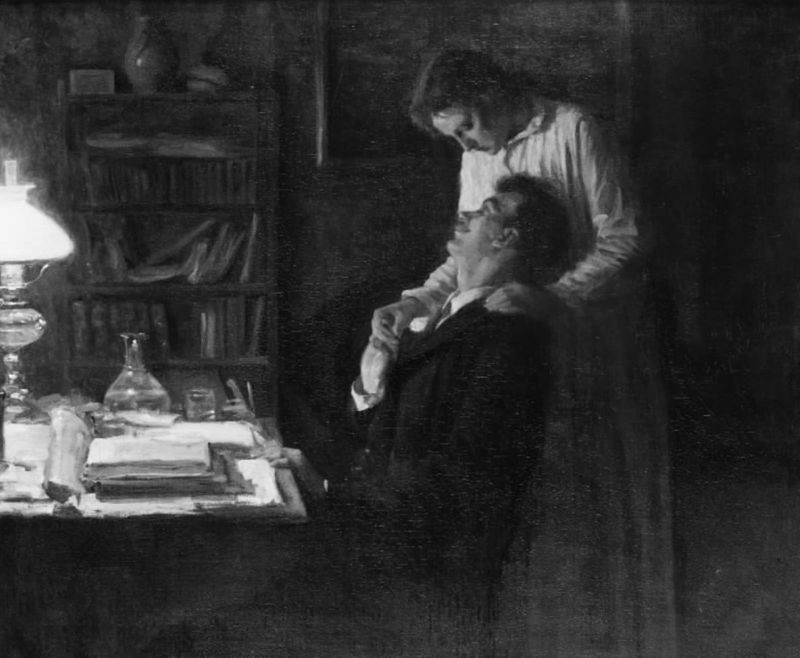
Start at the left edge, where the lamp's white shade blazes against the dark room. It is the light source for the whole night scene.
The seated man tips his head back and seems to smile up at the woman. His lit face is the emotional center of the picture.
She bends over him from behind, her pale blouse catching the light. Her lowered gaze and soft pose show tenderness without a word.
Look at the hands near his chest, where her hand seems to meet his cuff. This small touch is the quiet link between the two figures.
Papers, stacked books and a glass decanter crowd the lit desk. They suggest a late night of work, now paused by the woman's arrival.
The full narration walks you through Over midnat — the story behind it, the details most visitors miss, and why it matters. Free in the Art Whisper app.
Irminger painted children at a Danish hospital with such tenderness that the works won him back-to-back Academy medals in 1888 and 1889.
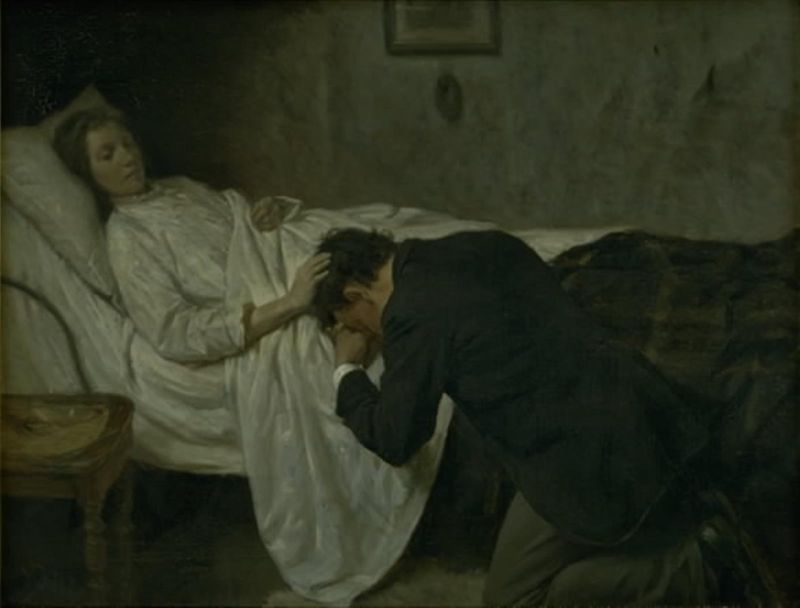 En tilgivelse
1892 · Statens Museum for Kunst
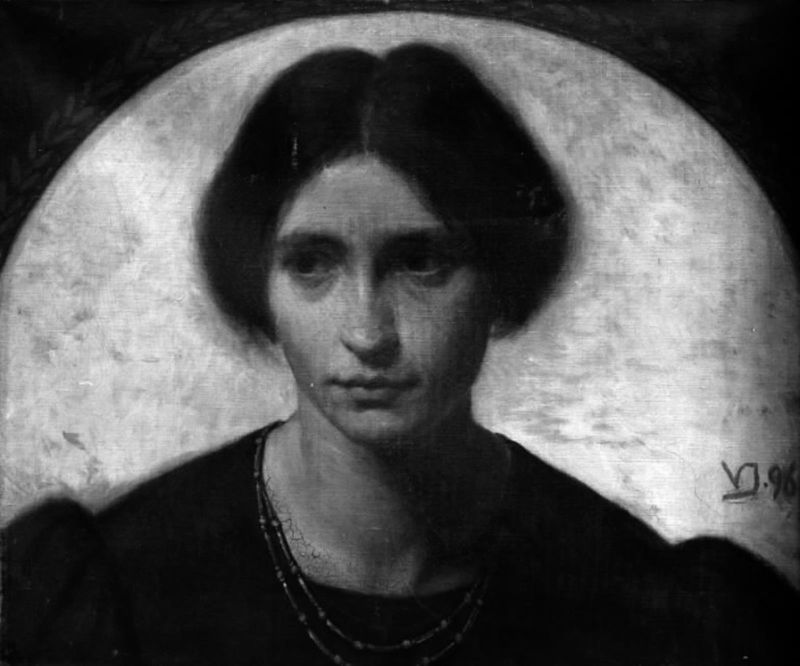 Dameportræt
1896 · Statens Museum for Kunst
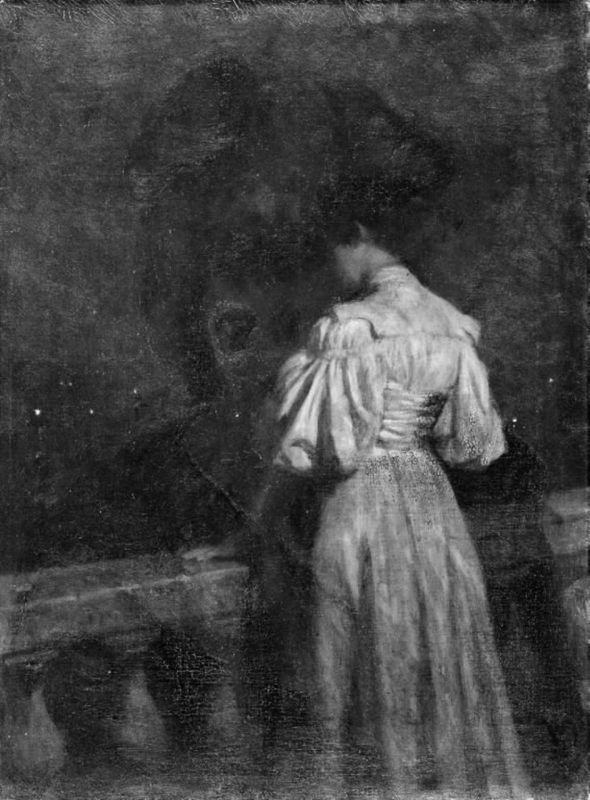 En ung dame på en altan
1897 · Statens Museum for Kunst
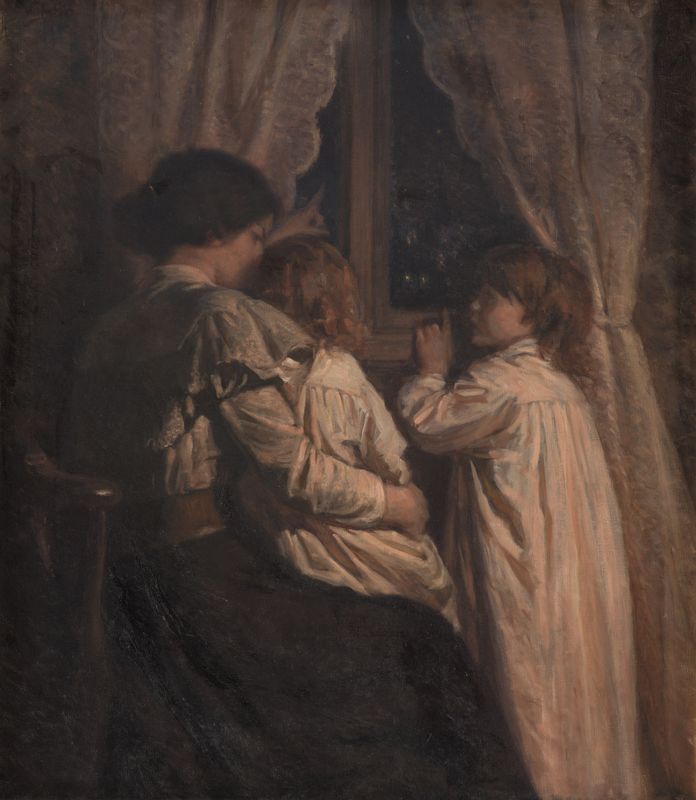 The Children Saying Good Night to their Stars
1898 · Statens Museum for Kunst
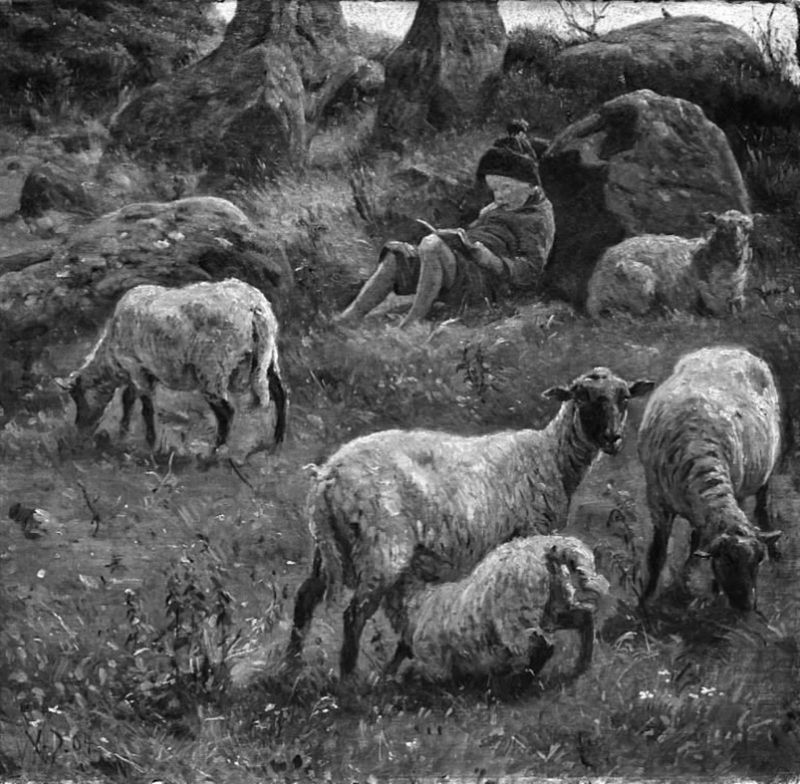 Hyrdedrengen læser ABC
1904 · Statens Museum for Kunst
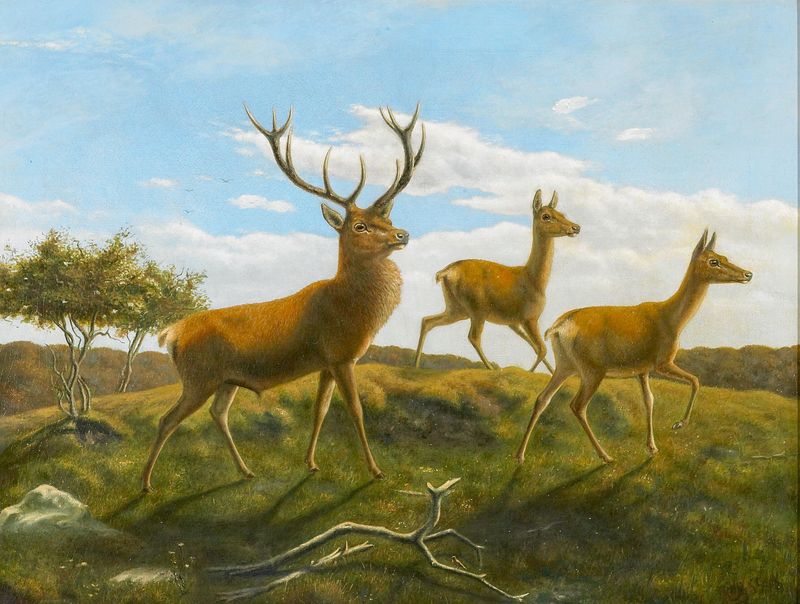 Landscape with a red deer stag and two hinds.
1869
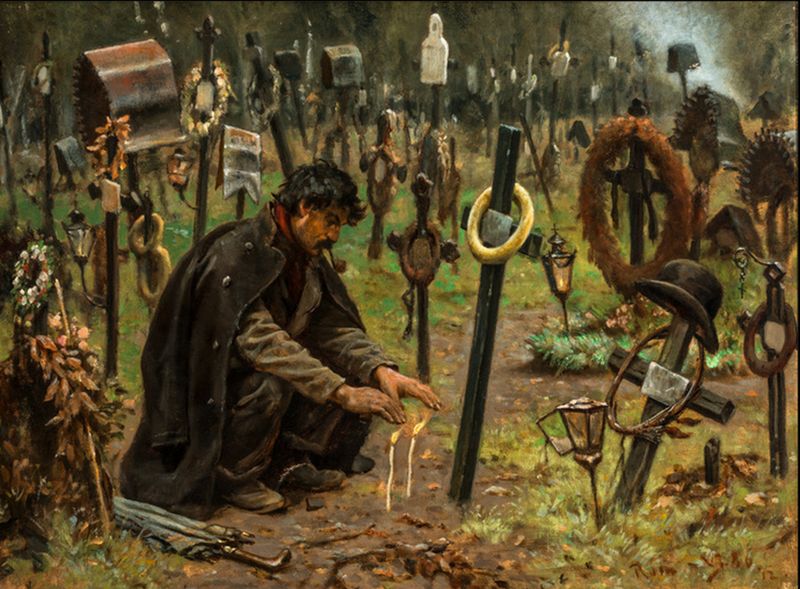 All Saints' Day. A widower in a cemetary for the poor in Rome.
1886 · Kunsten Museum of Modern Art Aalborg
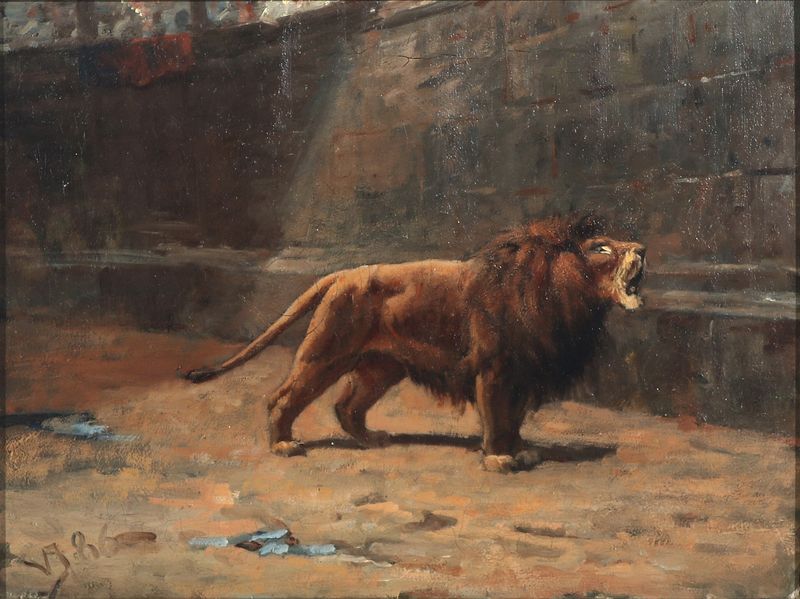 A roaring lion in the Colosseum.
1886
Beyond Irminger: works from the same years.
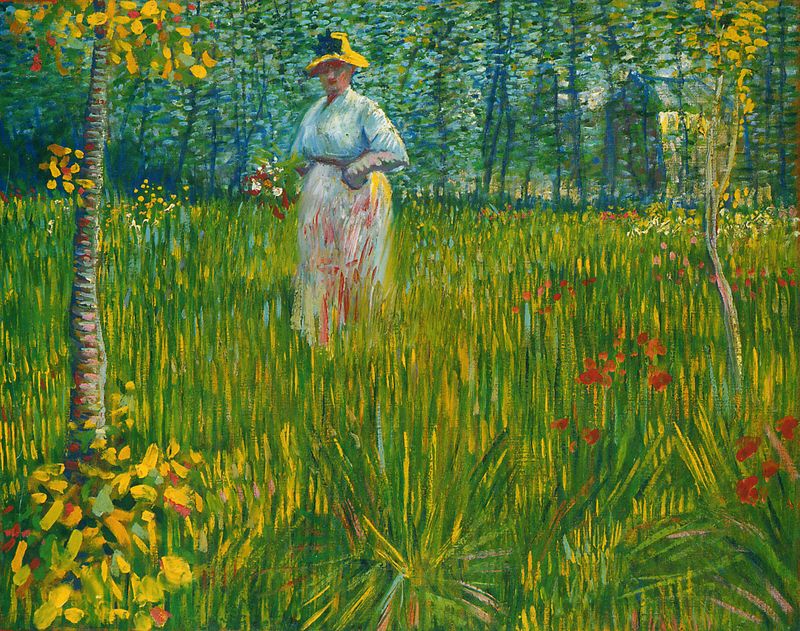 Same era · 1870s–1900s
A Woman Walking in a Garden
Vincent van Gogh · 1887 · Frans Buffa & sons
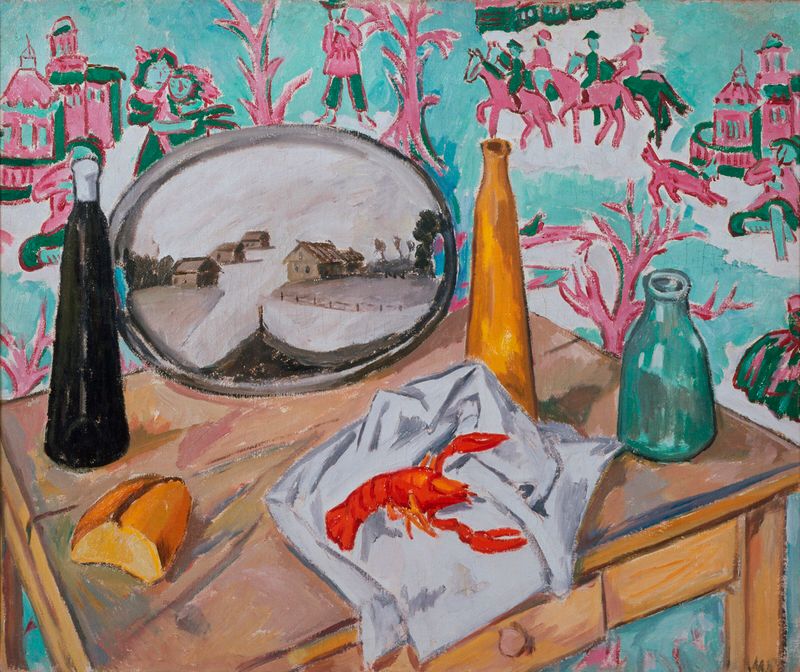 Same era · 1870s–1900s
Still Life with Crayfish
Mikhail Larionov · 1900 · Museum Ludwig
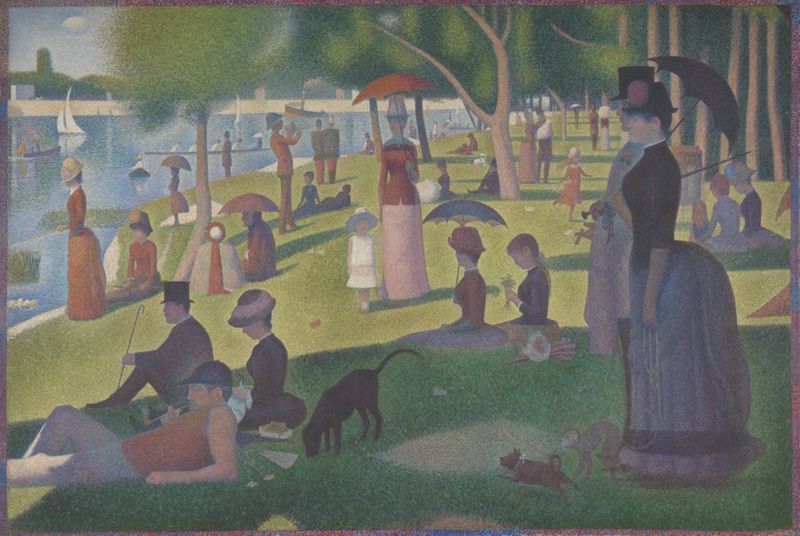 Same era · 1870s–1900s
A Sunday on La Grande Jatte — 1884
Okada Saburosuke · 1884 · Art Institute of Chicago
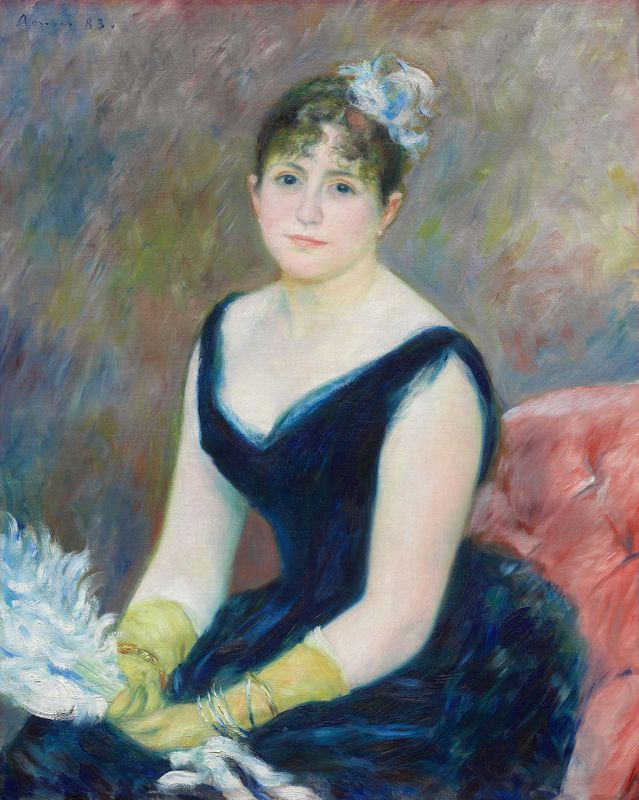 Same era · 1870s–1900s
Madame Léon Clapisson
Léon-Victor Dupré · 1883 · Art Institute of Chicago
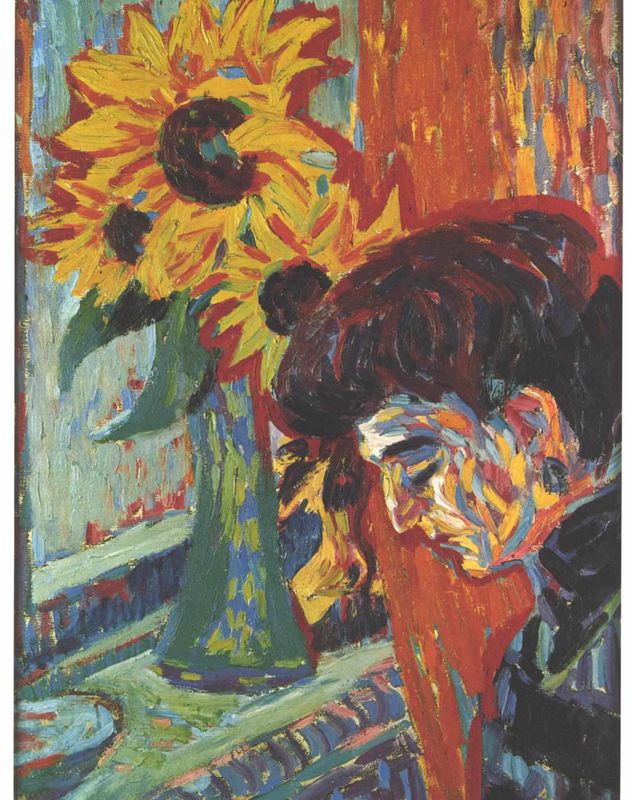 Same era · 1870s–1900s
Frauenkopf vor Sonnenblumen
Ernst Ludwig Kirchner · 1906 · Museum Frieder Burda
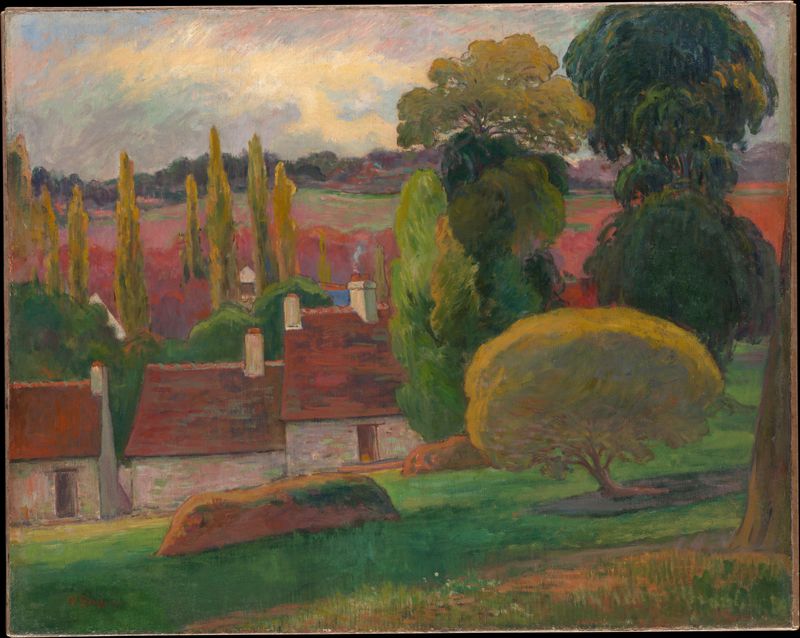 Same era · 1870s–1900s
A Farm in Brittany
Paul Gauguin · 1894 · The Metropolitan Museum of Art
 Same era · 1870s–1900s
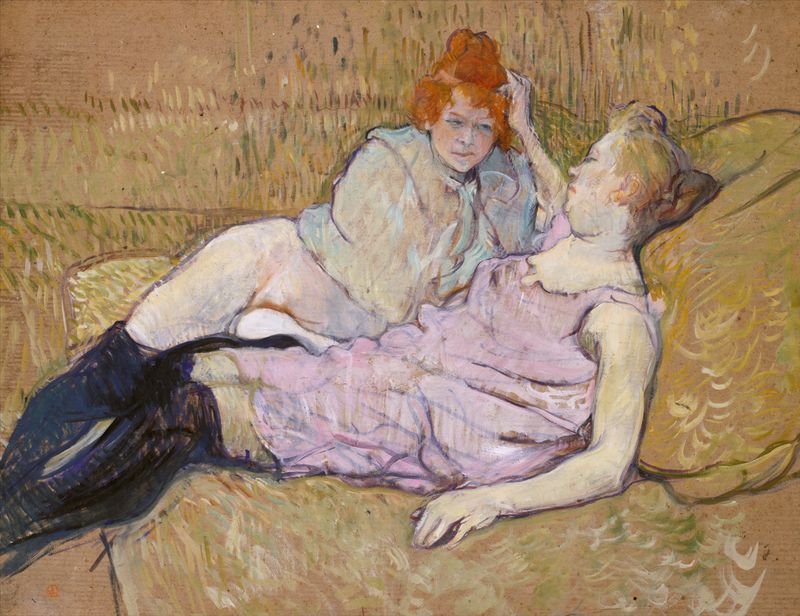
The Sofa
Henri de Toulouse-Lautrec · 1894 · The Metropolitan Museum of Art
 Same era · 1870s–1900s
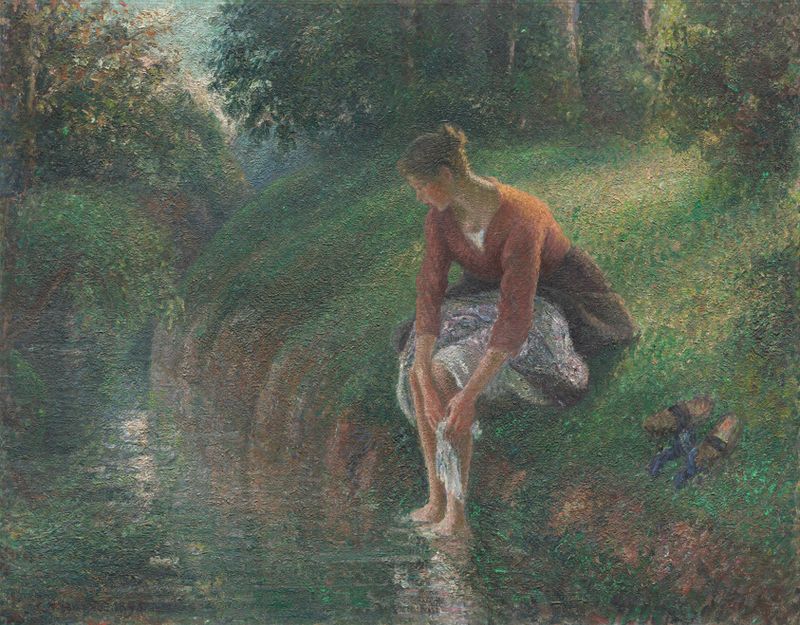
Woman Bathing Her Feet in a Brook
Camille Pissarro · 1894 · Art Institute of Chicago
 Same era · 1870s–1900s
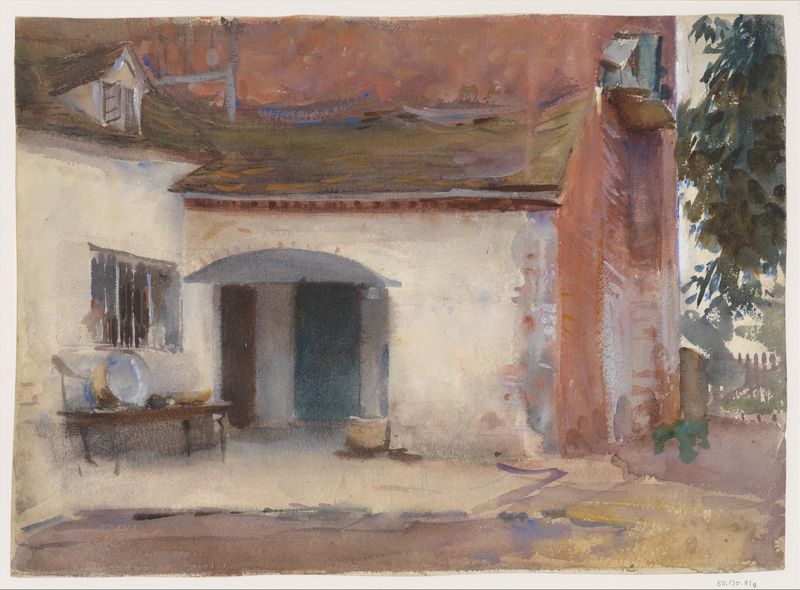
House and Courtyard
John Singer Sargent · 1895 · The Metropolitan Museum of Art
 Same era · 1870s–1900s
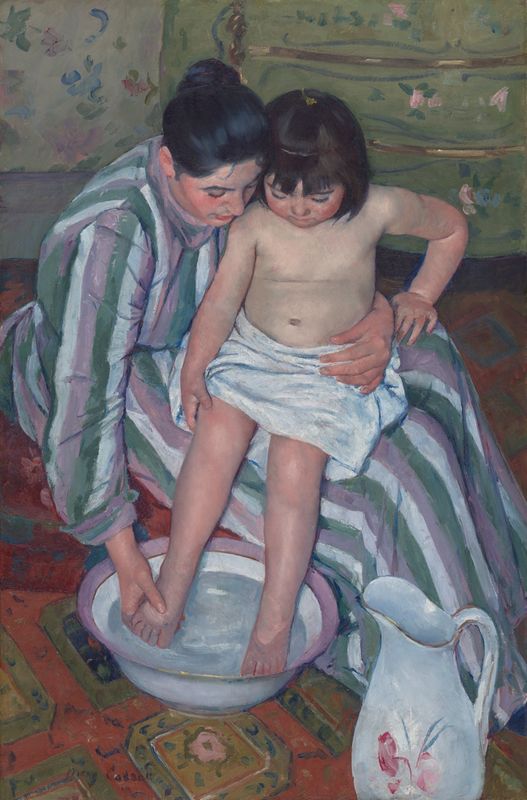
The Child's Bath
Mary Cassatt · 1893 · Art Institute of Chicago
 Same era · 1870s–1900s
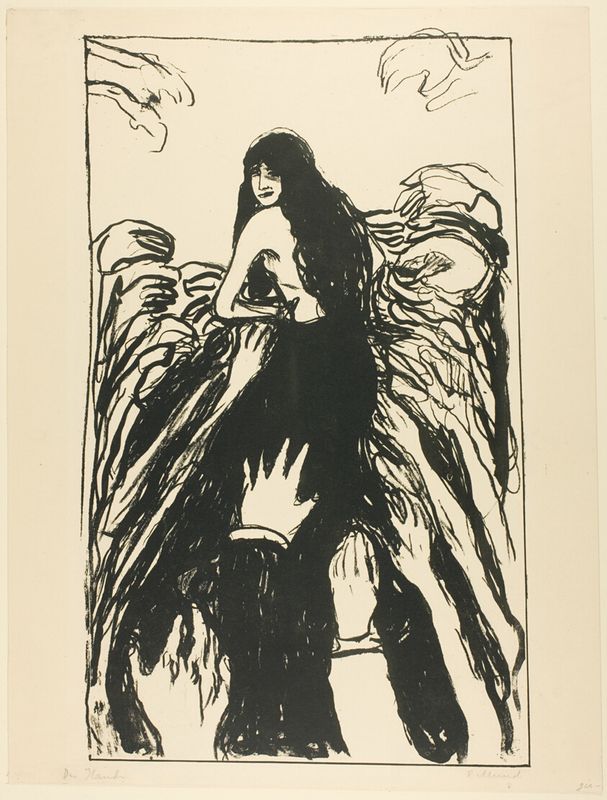
The Hands
Edvard Munch · 1893 · Munch Museum
 Same era · 1870s–1900s
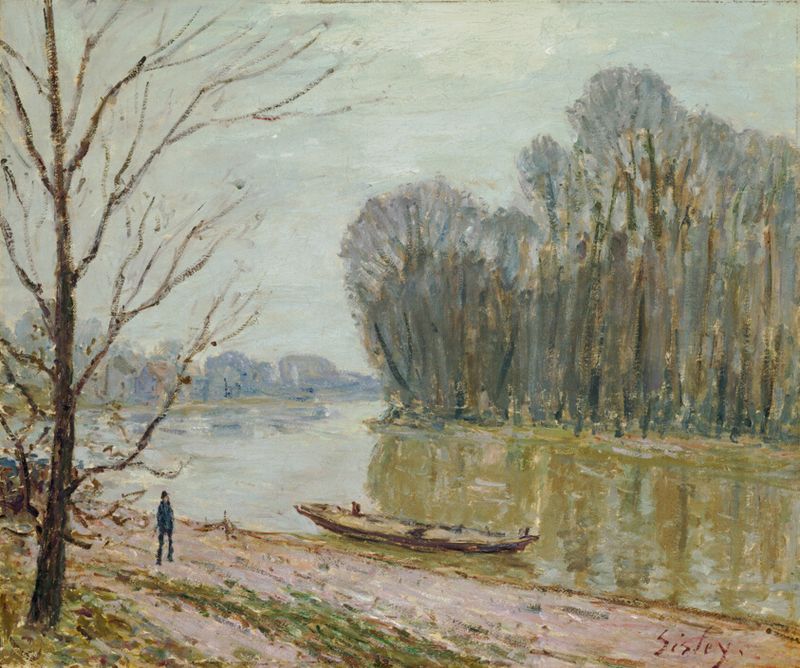
The Loire
Alfred Sisley · 1896 · Art Institute of Chicago
