01
The raised cross
An old bearded figure in a brown robe lifts a tall cross against the dark sky. He stands upright while those around him cower, and the cross stands out as a sign of faith amid the storm.
1 of 5 on the painting
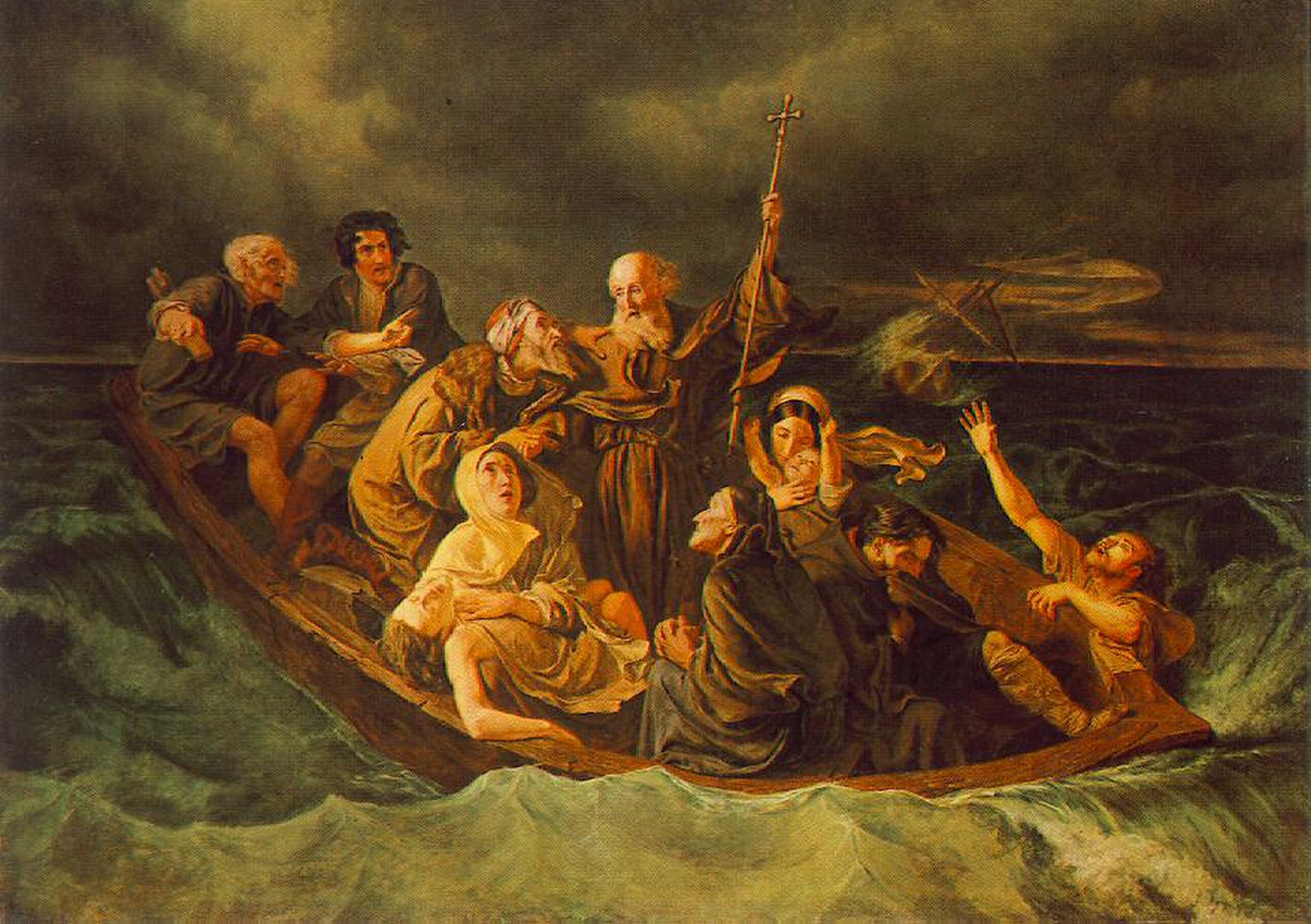
“This dramatic painting, "Lifeboat," plunges you into a perilous scene at sea, capturing the raw struggle of humanity against nature's fury with intense emotion and vivid detail.”
In "Lifeboat," a dramatic scene unfolds as a small vessel, listing precariously, battles a turbulent sea. The painting, created in 1847, captures a moment of intense struggle, with figures clinging to the boat amidst crashing waves. The artist, Mihály Zichy, painted this work while studying under Ferdinand Georg Waldmüller in Vienna, and it stands as an early example of Hungarian Romantic painting. The composition emphasizes the fragility of human life against the overwhelming power of nature, a common theme in the Romantic era. The dark, stormy sky and the frothing water contribute to the sense of urgency and danger, drawing the viewer into the desperate situation of those on board. This piece showcases an early exploration of dramatic narrative and emotional intensity, reflecting the artistic currents of its time.
Five details hide in plain sight. Pick one and we’ll show you exactly where to look.
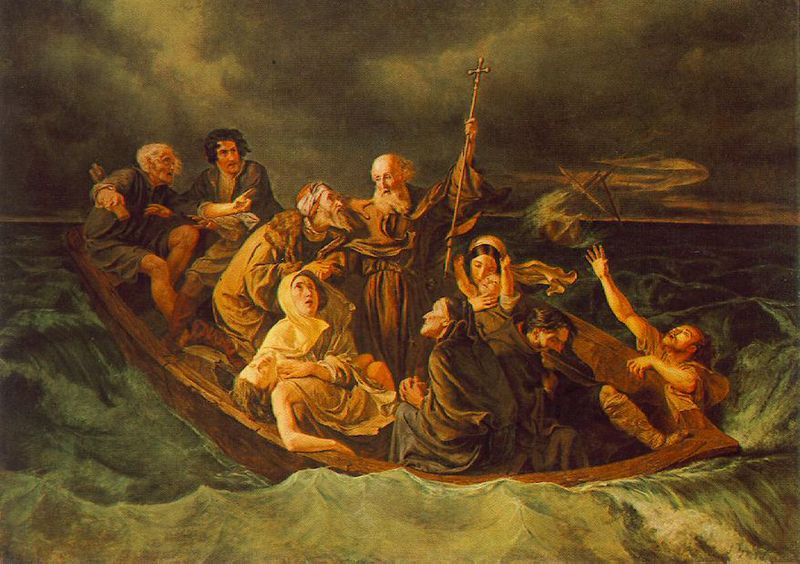
An old bearded figure in a brown robe lifts a tall cross against the dark sky. He stands upright while those around him cower, and the cross stands out as a sign of faith amid the storm.
In the lower left, a woman in a pale yellow headscarf looks up in fear while she holds a limp figure across her lap. Her pale face and shawl are the brightest notes in the boat.
A woman in the center right clutches a small child to her chest and lifts her other hand toward her head. Her gesture shows the panic in the group.
At the far right, a man lunges up from the boat with an open hand raised high, calling or pointing toward something out in the storm. His gesture pulls our eye out of the boat and into the waves.
On the right horizon, a ship with tilted, broken masts sits amid churning foam. It suggests a wreck, perhaps the ship these passengers have lost, though the painting does not say so directly.
The full narration walks you through Lifeboat — the story behind it, the details most visitors miss, and why it matters. Free in the Art Whisper app.
Mihály Zichy, a Hungarian Romantic painter, captivated audiences with his dynamic illustrations and powerful anti-militarist messages.
Beyond Zichy: works from the same years.
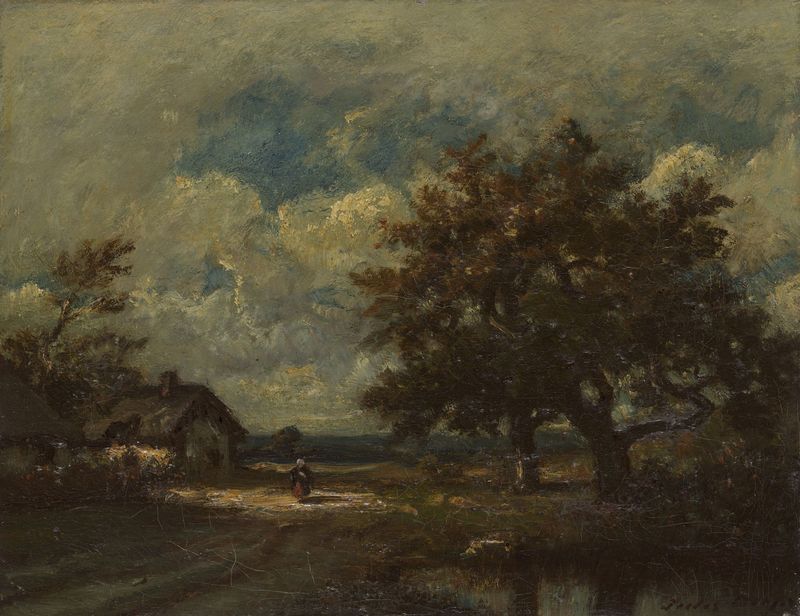 Same era · 1830s–1860s
The Cottage by the Roadside, Stormy Sky
Léon-Victor Dupré · 1855 · Art Institute of Chicago
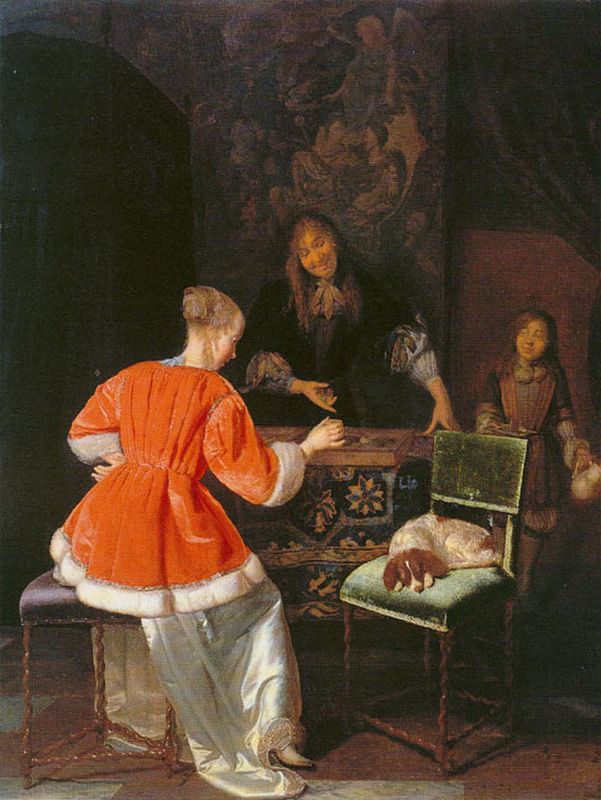 Same era · 1830s–1860s
The Backgammon Players
Philip Webb · 1861 · The Metropolitan Museum of Art
 Same era · 1830s–1860s
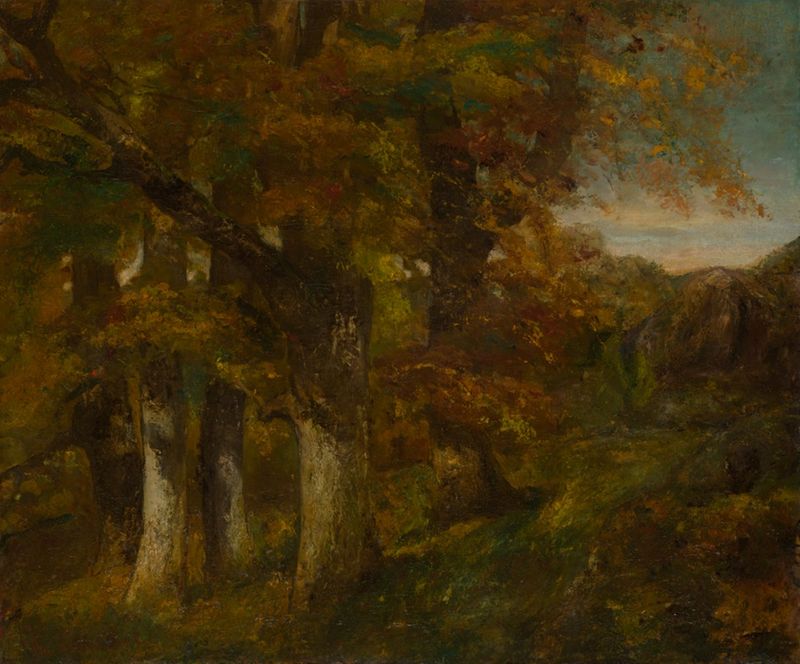
Wooded Landscape
Gustave Courbet · 1848 · Art Institute of Chicago
 Same era · 1830s–1860s
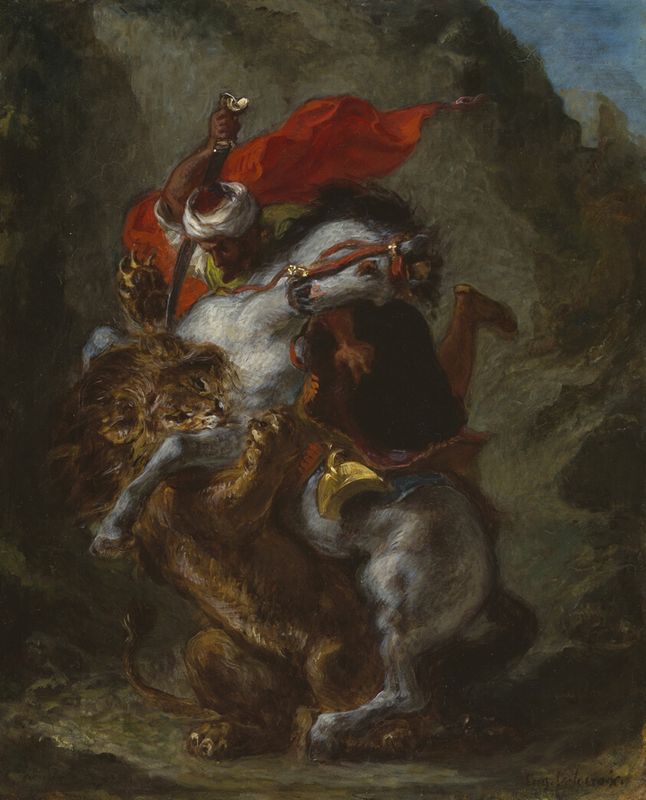
Arab Horseman Attacked by a Lion
Eugène Delacroix · 1849 · Art Institute of Chicago
 Same era · 1830s–1860s
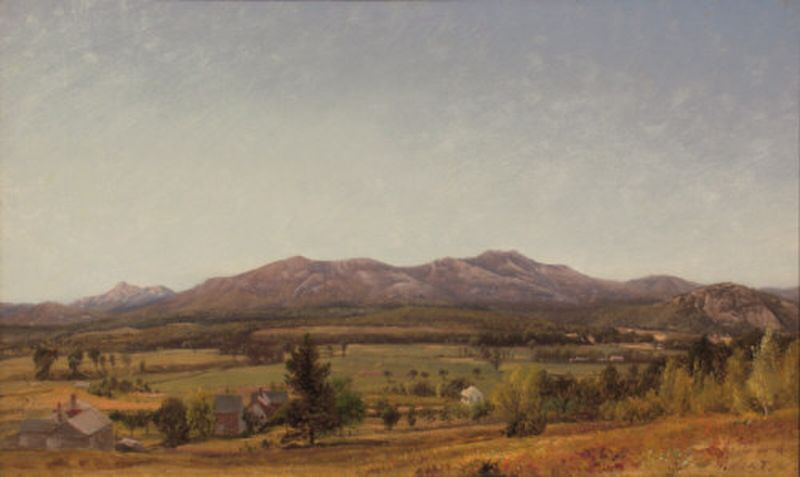
Mount Chocorua and Moat Mountain from North Conway
William Hart · 1850
 Same era · 1830s–1860s
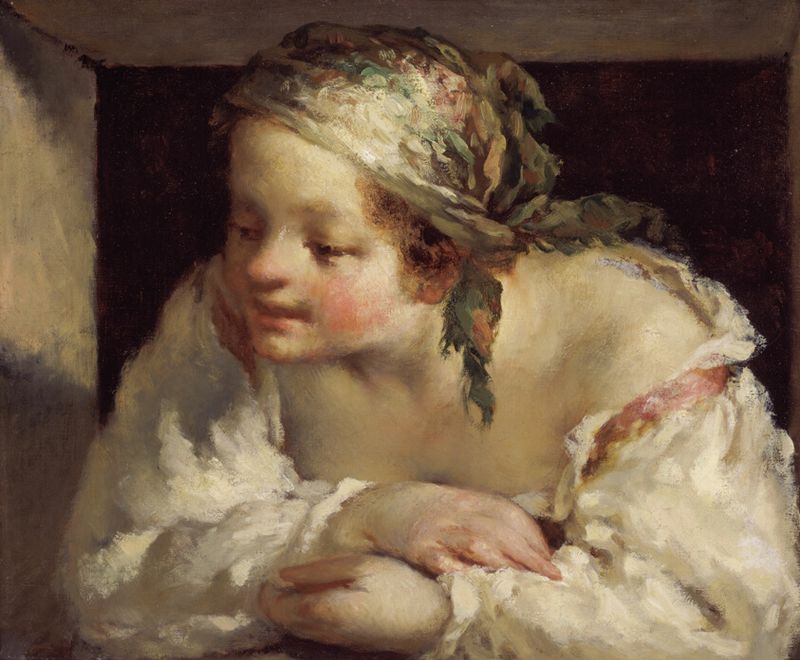
Young Woman
Jean-François Millet · 1844 · Art Institute of Chicago
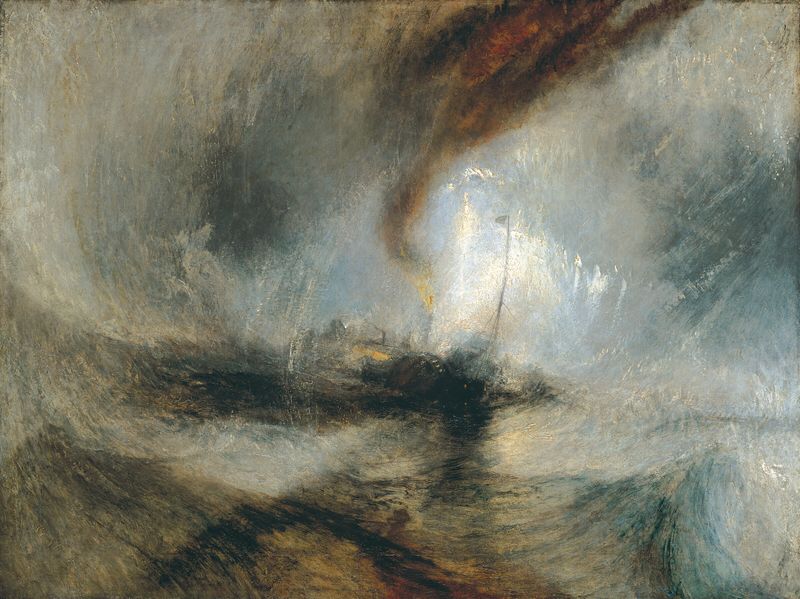 Same era · 1830s–1860s
Snow Storm: Steam-Boat off a Harbour's Mouth
J. M. W. Turner · 1842 · National Gallery
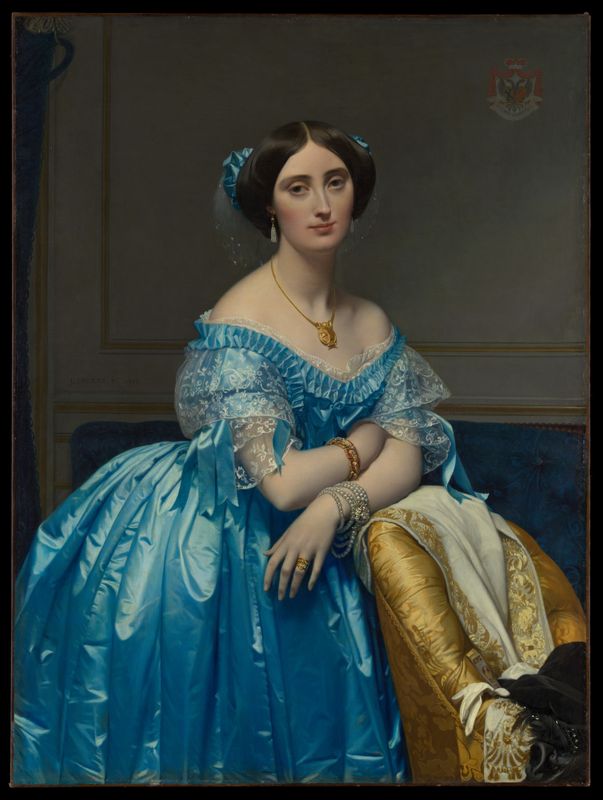 Same era · 1830s–1860s
Joséphine-Éléonore-Marie-Pauline de Galard de Brassac de Béarn (1825–1860), Princesse de Broglie
Jean-Auguste-Dominique Ingres · 1853 · Metropolitan Museum of Art
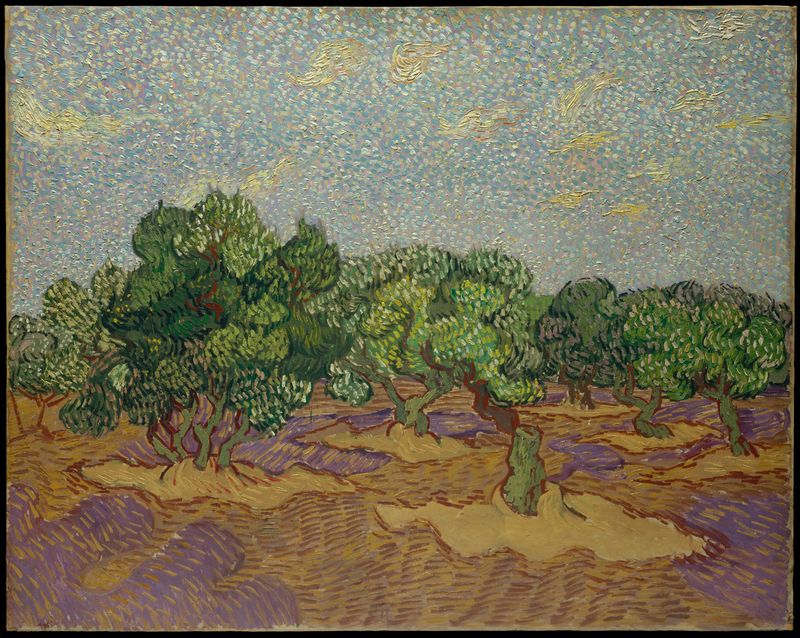 Same era · 1830s–1860s
Olive Trees
Vincent van Gogh · 1853 · The Metropolitan Museum of Art
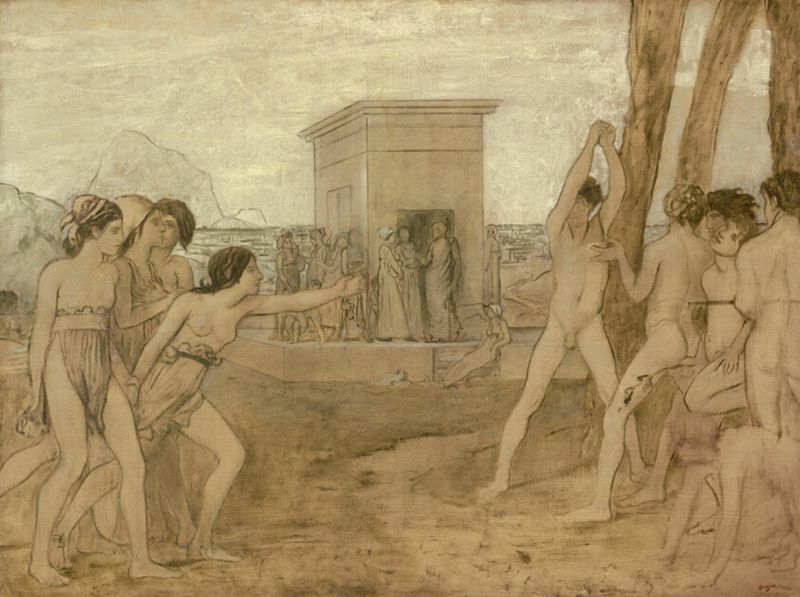 Same era · 1830s–1860s
Young Spartan Girls Challenging Boys
Edgar Degas · 1860 · Art Institute of Chicago
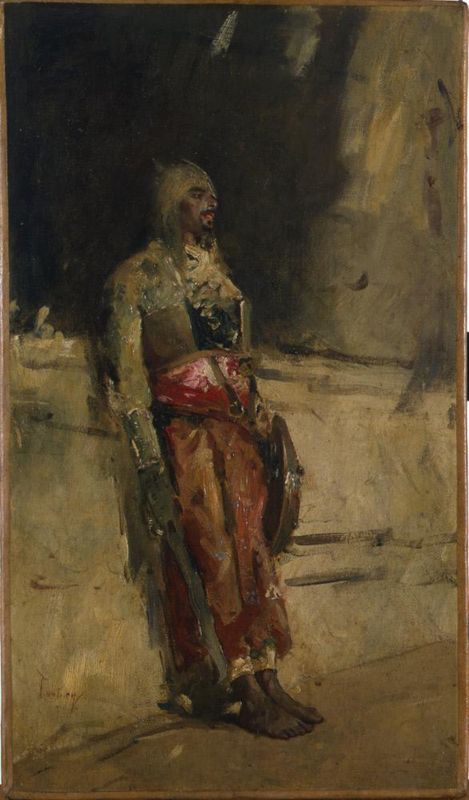 Same era · 1830s–1860s
An Arab Warrior
Mariano Fortuny Marsal · 1862 · Hispanic Society of America
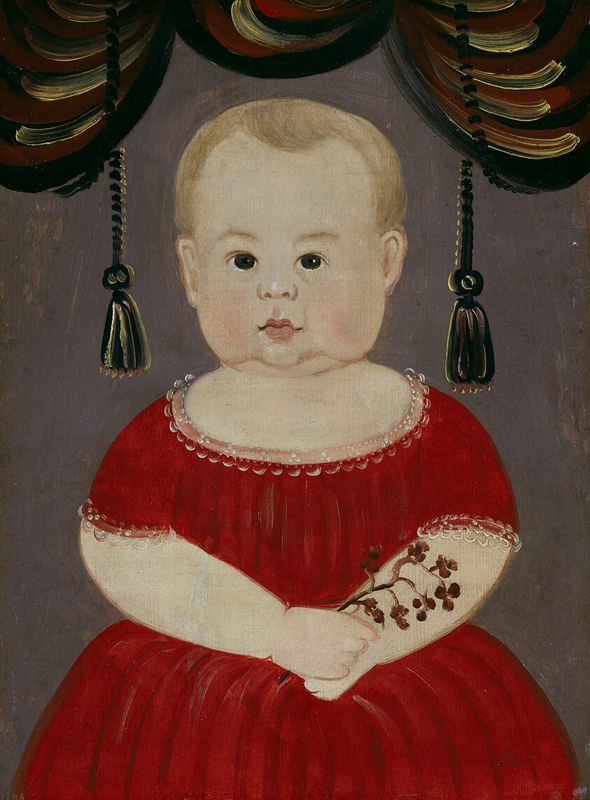 Same era · 1830s–1860s
Portrait of Fred Adelbert Haywood
School of William Matthew Prior · 1848 · Art Institute of Chicago
