
“Picture this: you walk into a gallery and suddenly you're confronted by dramatic landscapes with stormy skies, heroic figures caught in moments of intense emotion, and colors that seem to glow with an inner fire.”
Welcome to Romanticism! This movement emerged in the late 18th century as artists basically said "enough!" to the cool rationality of the Enlightenment and Neoclassicism. They wanted passion, imagination, and feeling.
Romantic artists were obsessed with the sublime—that thrilling mix of beauty and terror you feel standing at the edge of a cliff or watching a thunderstorm roll in. They painted wild nature as a force that could dwarf humanity, turning landscapes from pretty backdrops into the main event. Think towering mountains shrouded in mist, shipwrecks in raging seas, or lone figures contemplating vast horizons. These artists believed that emotion and intuition could reveal truths that reason never could.
But Romanticism wasn't just about nature. It celebrated individual genius, exotic cultures, medieval history, and nationalist pride. Artists like Delacroix, Turner, Friedrich, and Géricault created works that felt urgent and personal. You'll notice their brushwork is often loose and expressive—they wanted you to feel the energy of creation itself. Whether depicting historical dramas, literary scenes, or pure landscape, Romantics aimed straight for your heart. If a painting makes you feel small, awed, melancholy, or thrilled—if it stirs something deep inside you—there's a good chance you're looking at Romanticism.
- Period
- c. 1780–1850
- Peak
- around 1820
- Born in
- Britain, Europe
- Key artists
- Caspar David Friedrich, Eugène Delacroix, Francisco Goya, Jean-Auguste-Dominique Ingres
- Came before
- Neoclassicism
- Came after
- Realism
When it happened
- CAME BEFORENeoclassicism
- ~1780 · STARTED
- ~1820 · PEAKED
- ~1850 · ENDED
- CAME AFTERRealism
What makes it Romanticism
Nature as Drama Queen
Turbulent skies, wild seas, craggy mountains—nature is powerful, dangerous, and emotionally charged, not tame or decorative.
e.g. The Wanderer Above the Sea of Fog by Caspar David FriedrichEmotion Over Reason
Faces show intense feeling—anguish, ecstasy, longing. Gestures are theatrical. The mood matters more than perfect accuracy.
e.g. The Raft of the Medusa by Théodore GéricaultDramatic Light and Color
Glowing sunsets, moonlight, fire—light creates atmosphere and emotion. Colors are rich, sometimes almost unnaturally vivid.
e.g. The Fighting Temeraire by J.M.W. TurnerExotic and Historical Themes
Medieval ruins, Oriental scenes, literary heroes, and historical battles—anything distant in time or place fascinated Romantics.
e.g. Liberty Leading the People by Eugène DelacroixLoose, Expressive Brushwork
You can often see individual brushstrokes. The paint application itself conveys energy and spontaneity, not smooth polish.
e.g. The Slave Ship by J.M.W. TurnerHow to spot Romanticism
Three signs you’re standing in front of one — all easy to see in Sacrifice to Vesta.
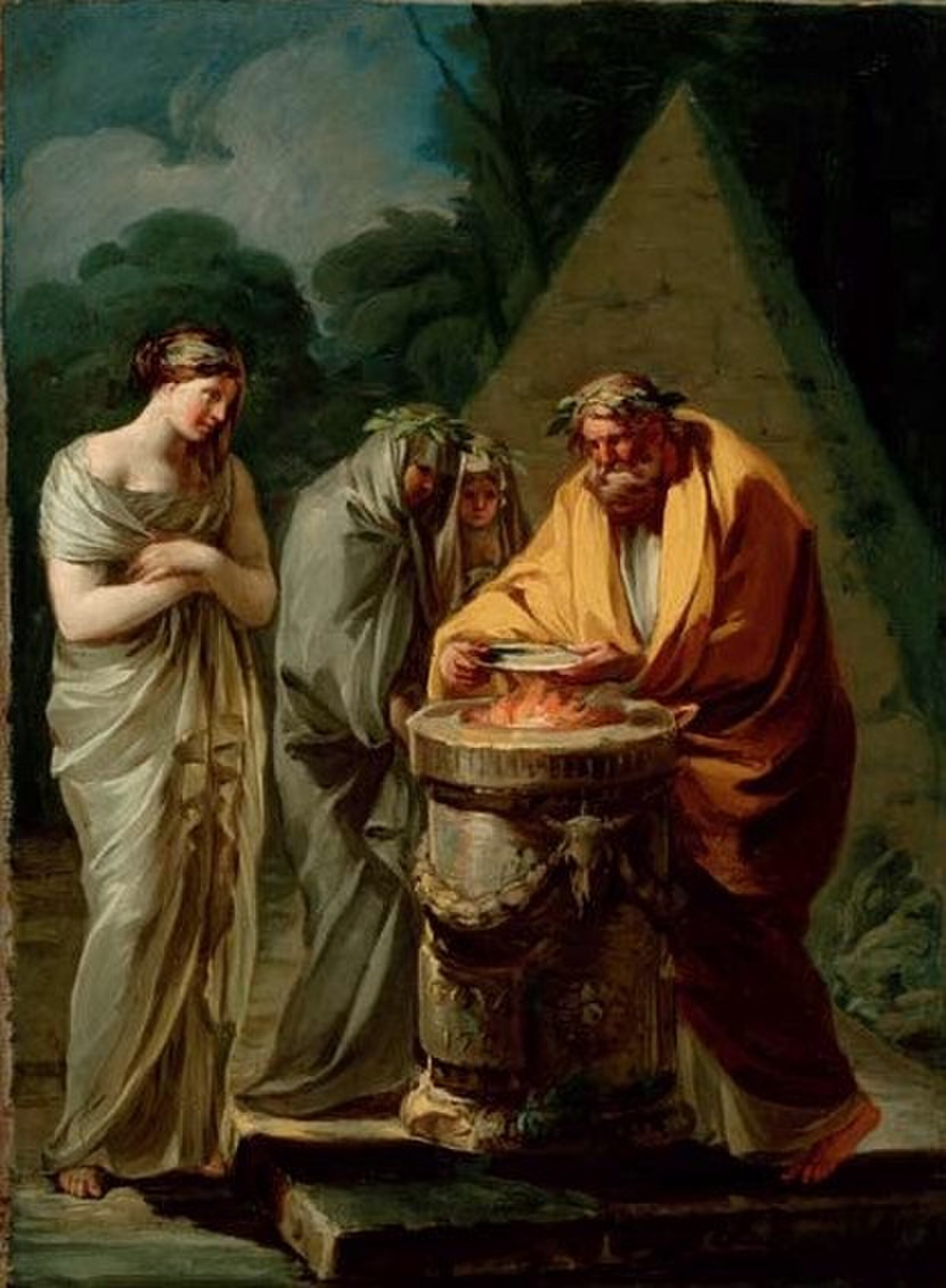
Look for dramatic weather: stormy skies, mist, dramatic sunsets, or moonlight. If nature feels like a character in the scene, think Romantic.
Check the emotional temperature: Are figures gesturing dramatically? Do faces show intense feeling? Romantics cranked up the emotional volume.
Notice the scale: Tiny humans dwarfed by vast landscapes, or heroic figures painted monumentally—Romantics loved playing with our sense of scale.
Turner had himself strapped to a ship's mast during a snowstorm for four hours to truly experience the sublime—that's commitment!
Many Romantic artists kept detailed journals about their feelings while painting. Introspection was part of the artistic process.
The movement inspired everything from Gothic novels to modern fantasy art—Lord of the Rings landscapes owe a huge debt to Romantic painting.
The artists who defined it
Works to know
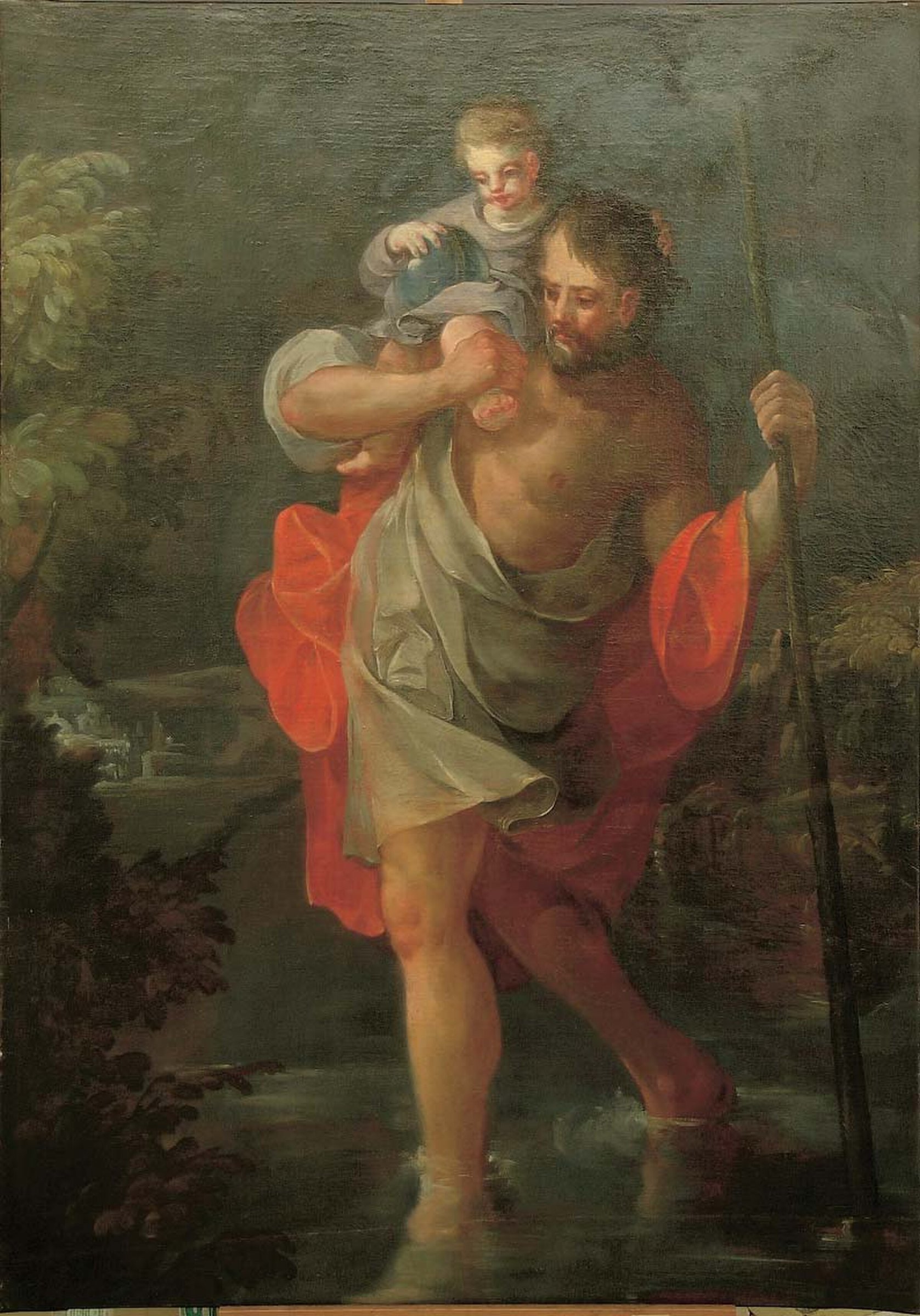
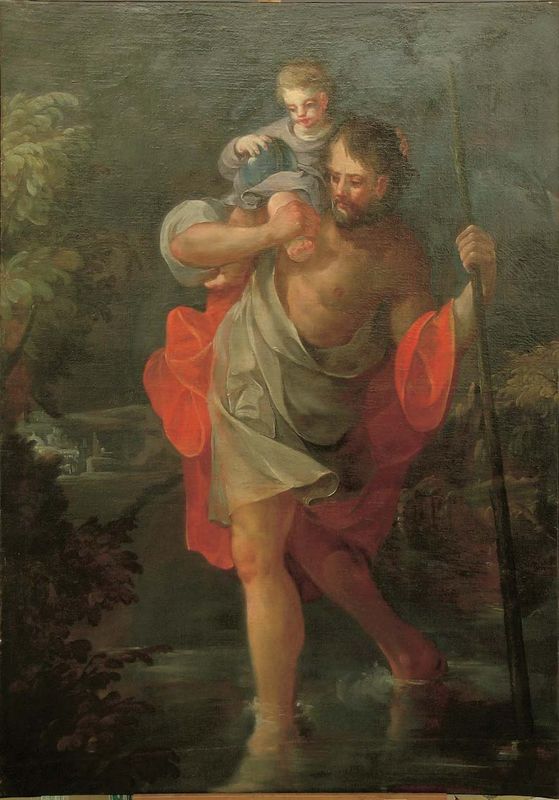 Saint Christopher
1767 · Saragossa Museum
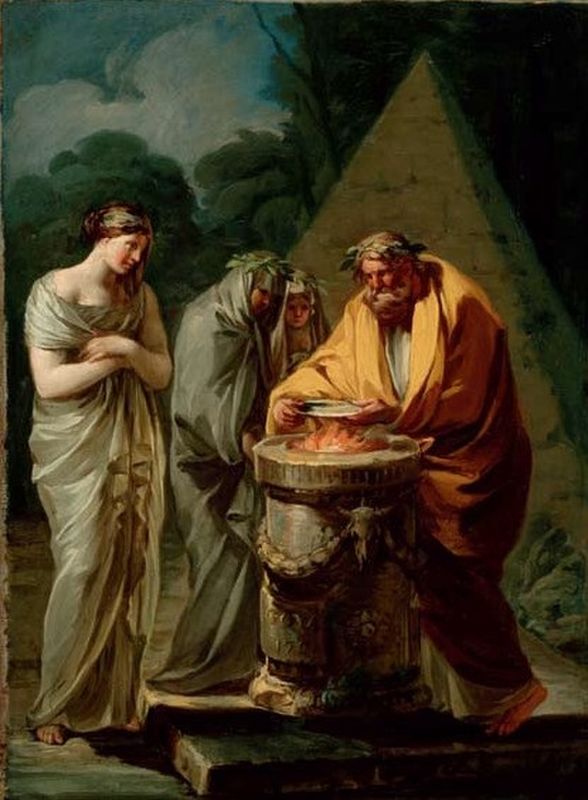 Sacrifice to Vesta
1771
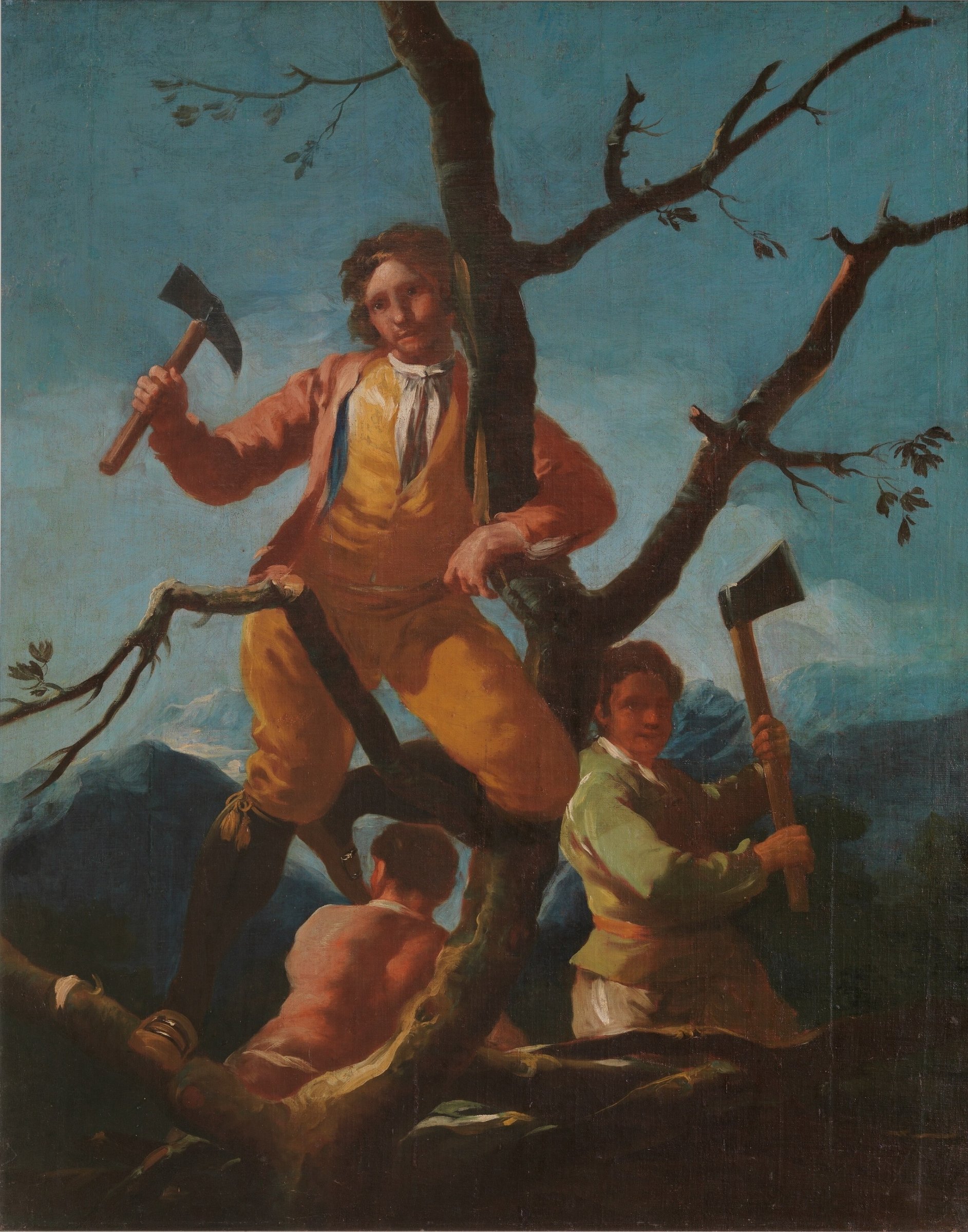
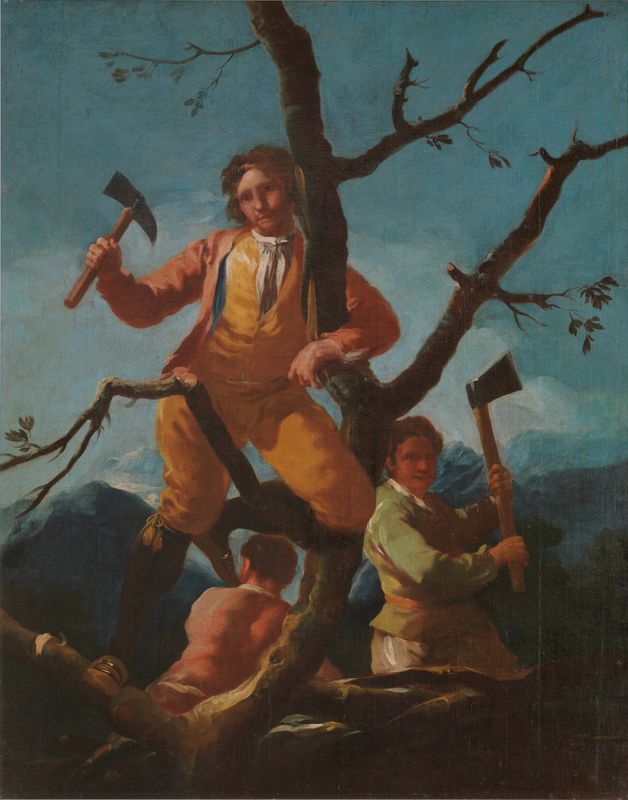 the lumberjacks
1777 · Museo del Prado
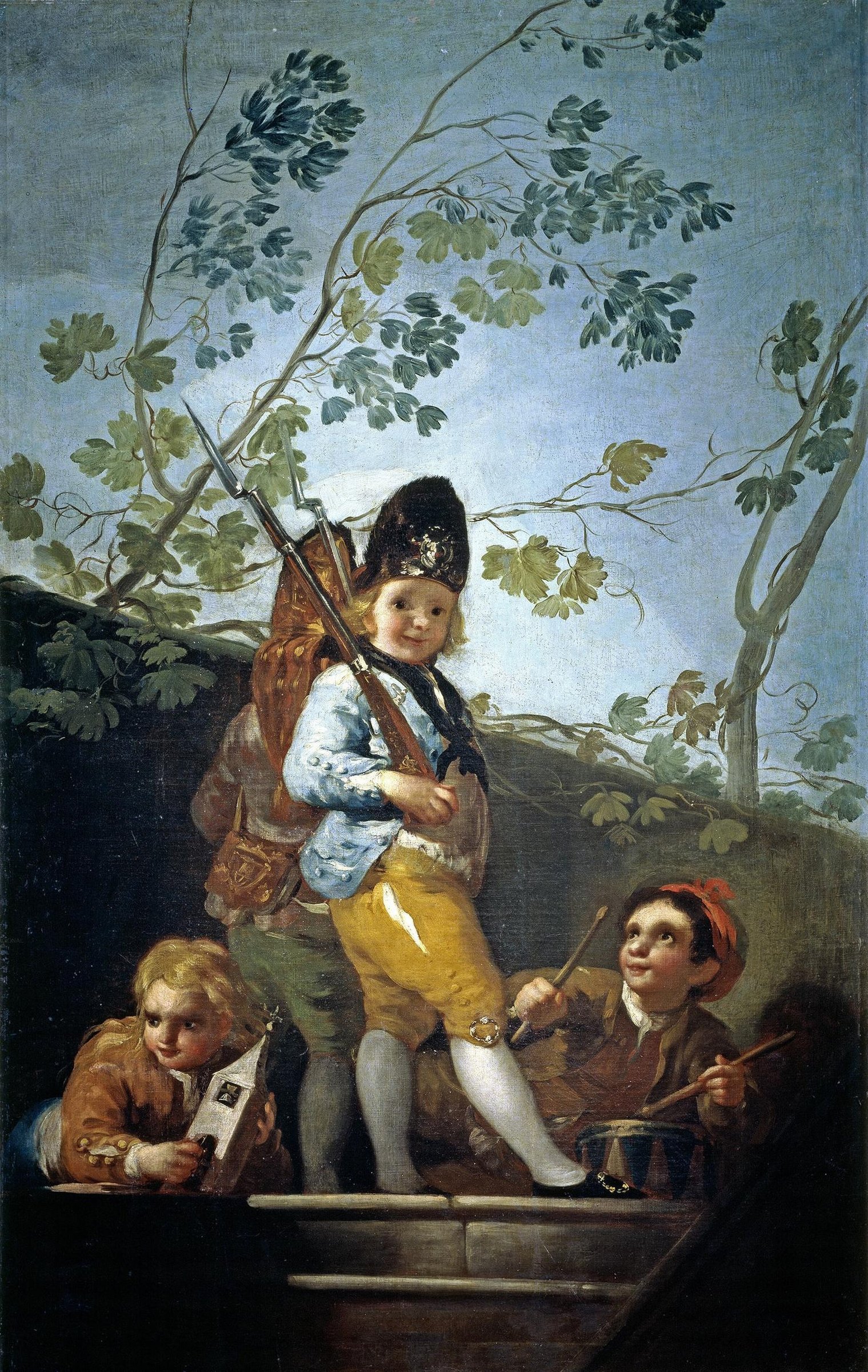
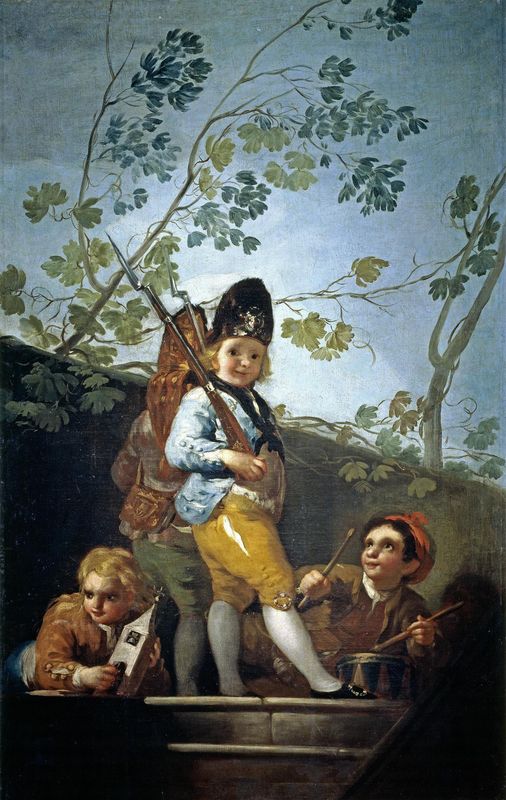 Boys playing soldiers
1778 · Museo del Prado
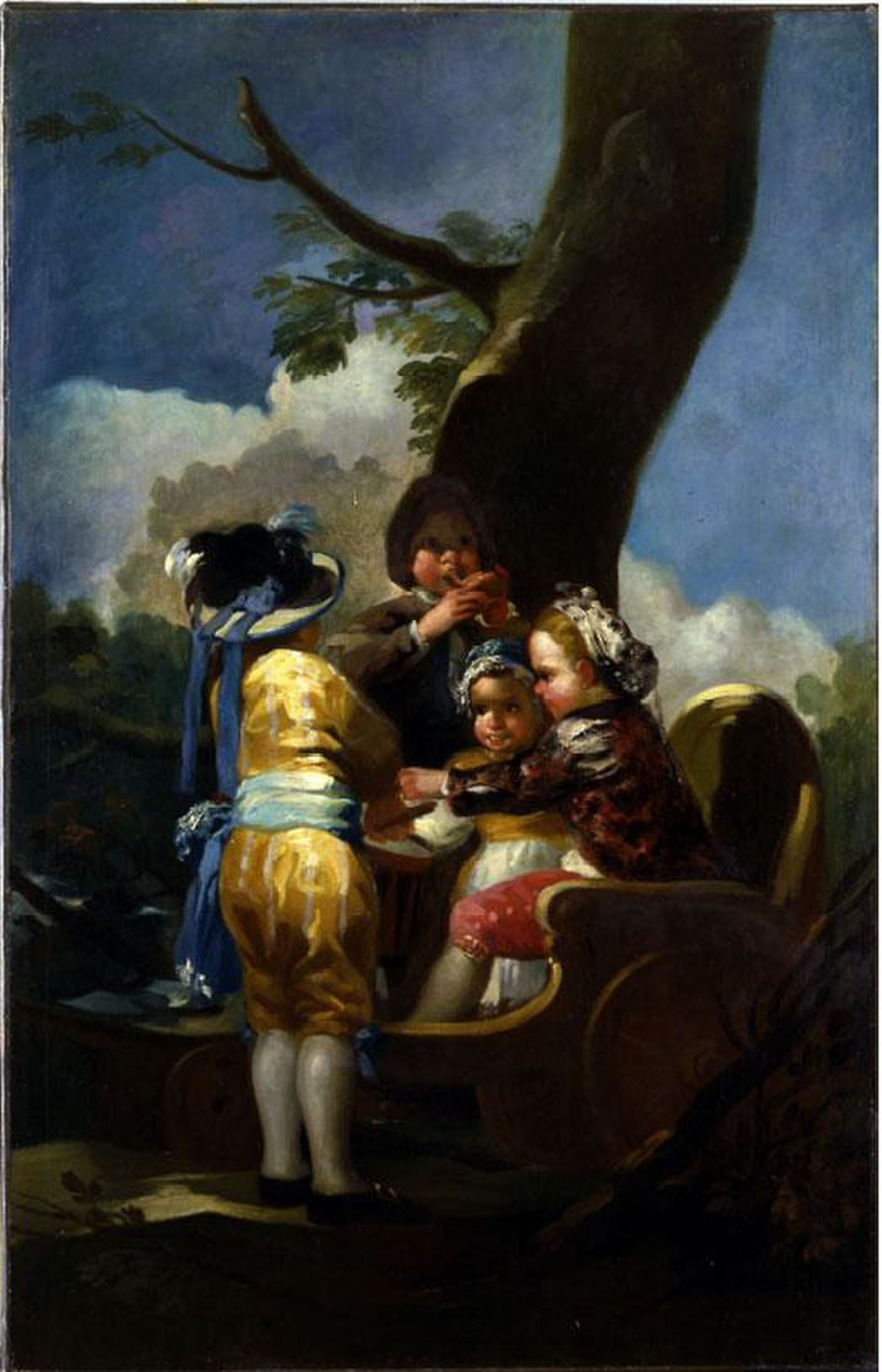
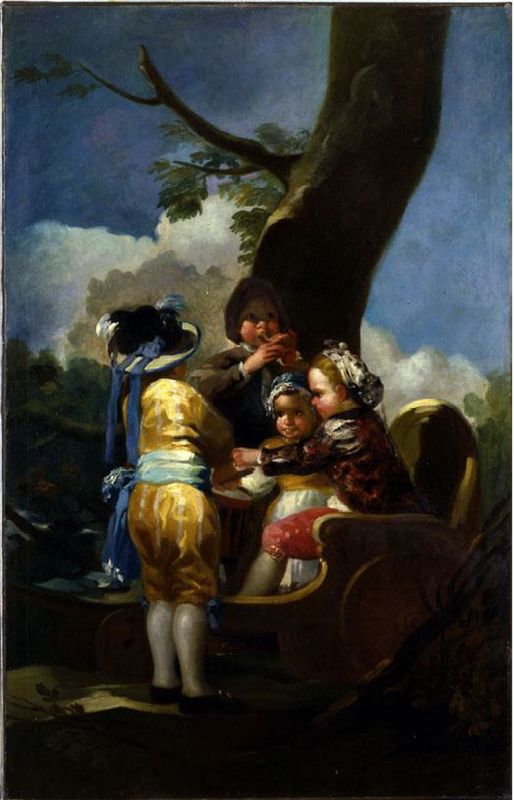 Children with a Cart
1779 · Toledo Museum of Art
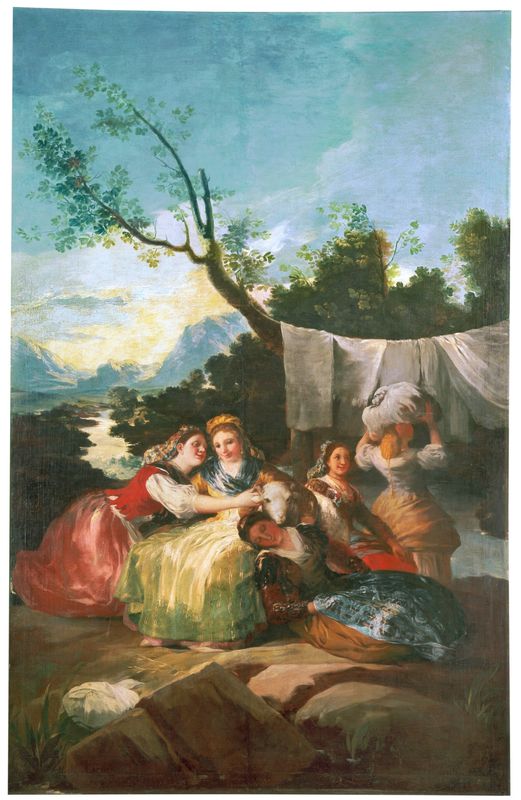 the washerwomen
1779 · Museo del Prado
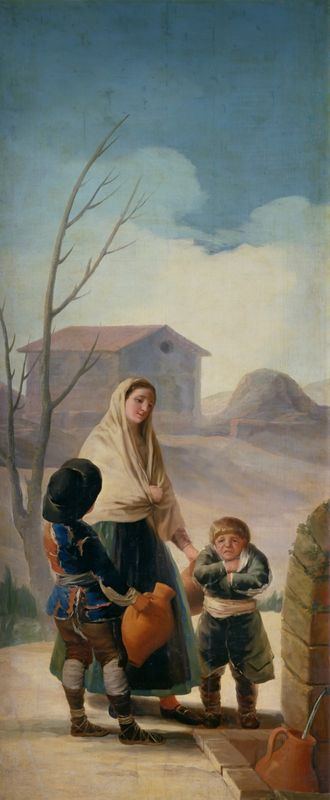 The Poor at the Fountain
1786 · Museo del Prado
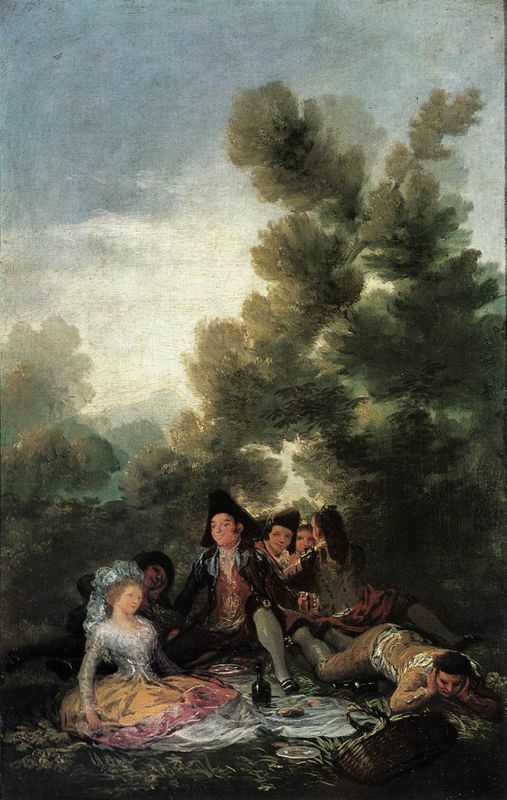 Picnic
1786 · National Gallery
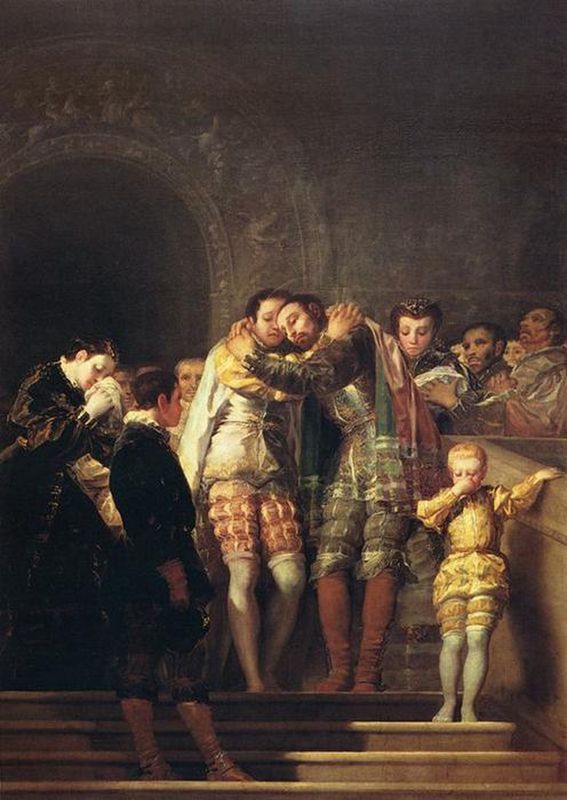 San Francisco de Borja says goodbye to his family
1788
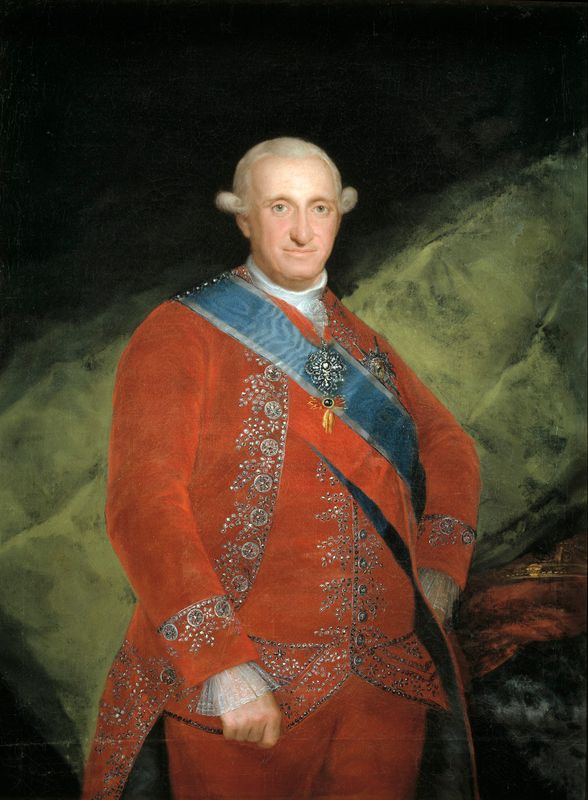 Charles IV in Red
1789 · Museo del Prado
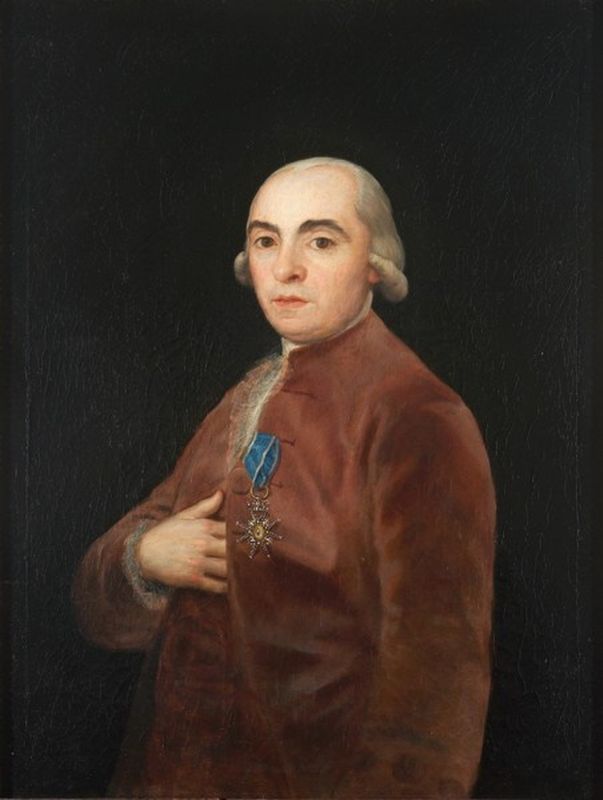 Juan Martín de Goicoechea y Galarza
1790 · Saragossa Museum
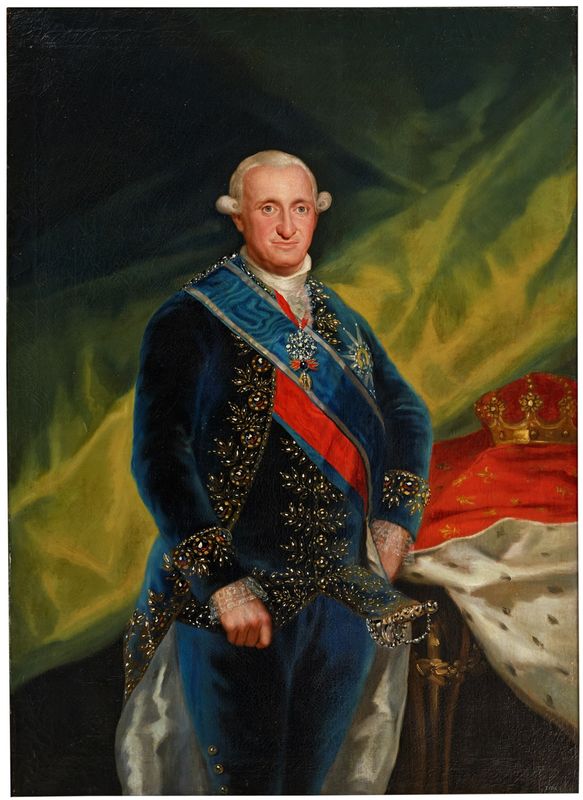 Portrait of King Charles IV
1790 · Museo del Prado
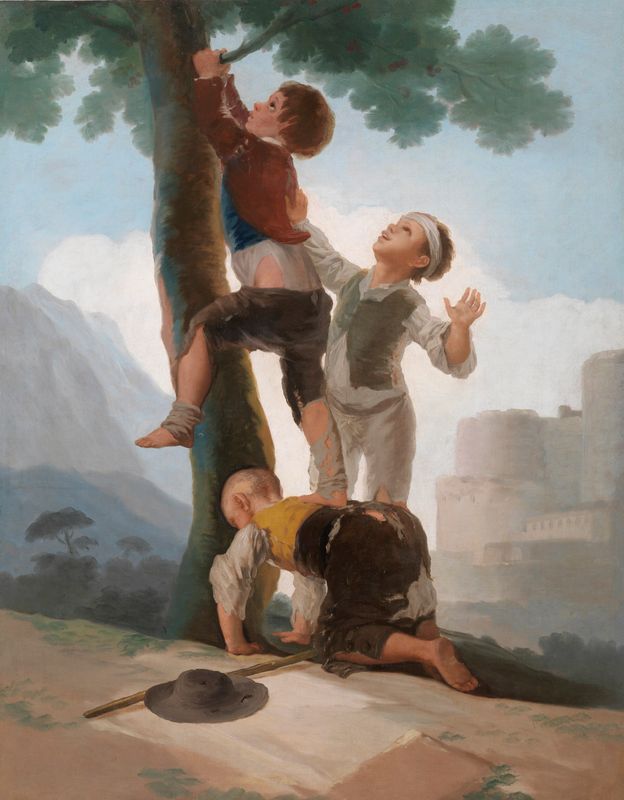 Boys climbing a tree
1791 · Museo del Prado
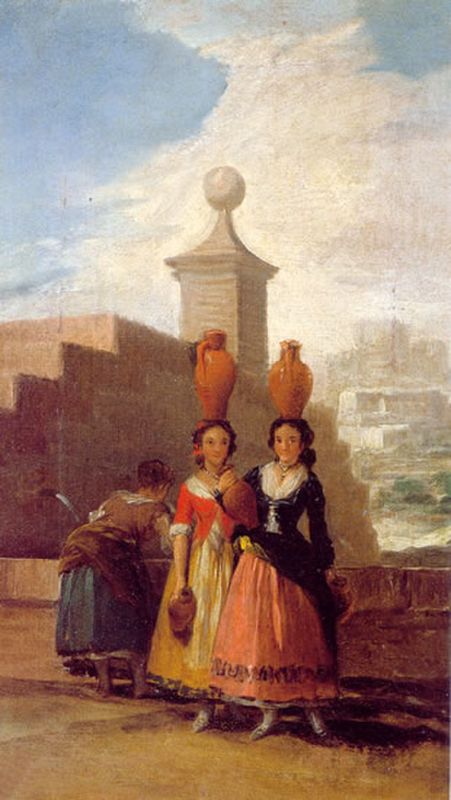 Women carrying pitchers (sketch)
1791
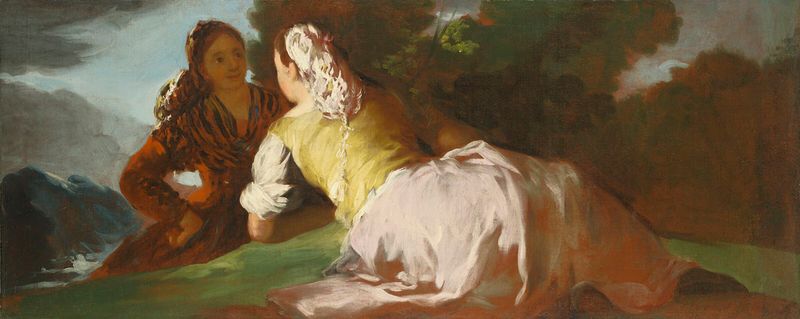 Women chatting
1791 · Wadsworth Atheneum Museum of Art
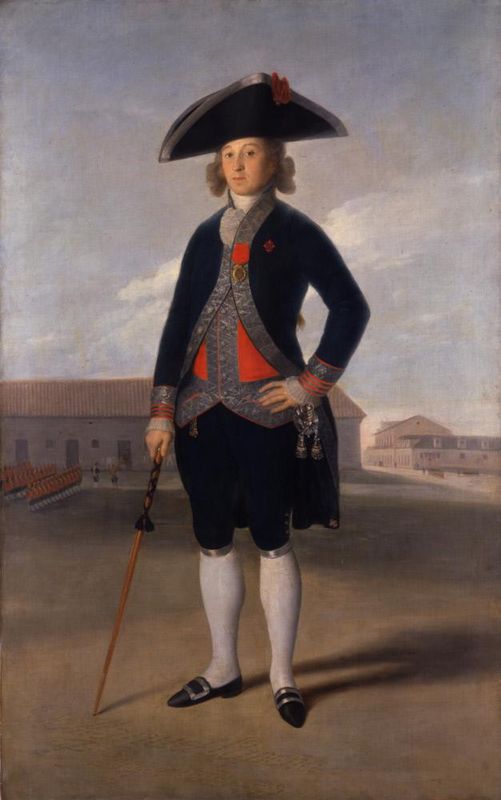 Don Manuel Lapeña, later Marquis of Bondad Real
1799 · Hispanic Society of America
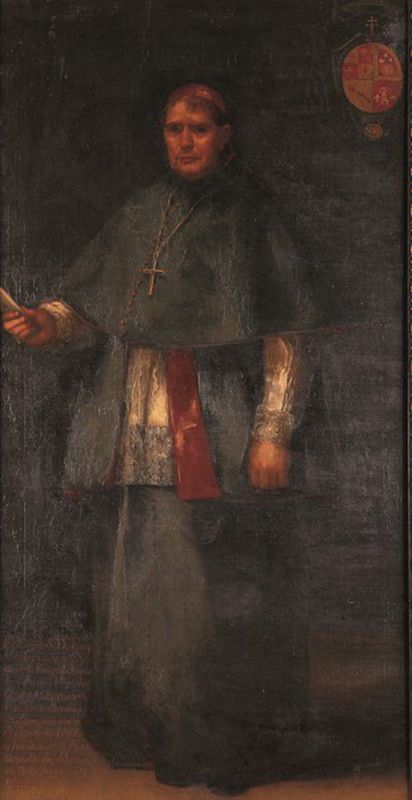 Archbishop Joaquin Company
1800 · Alma Mater Museum
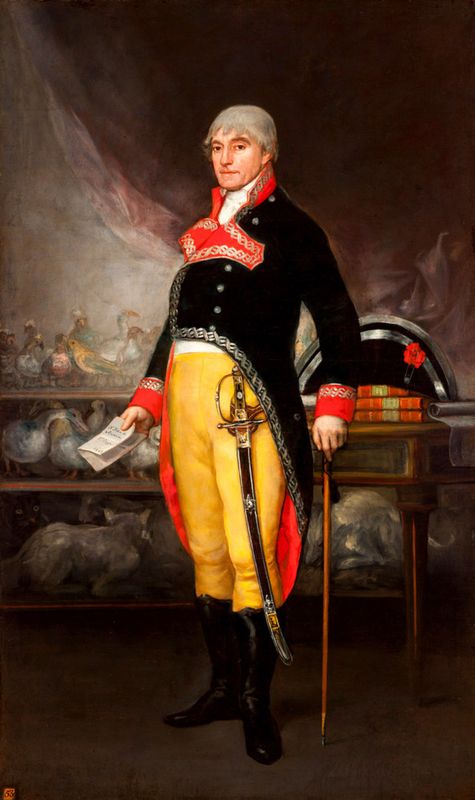 Portrait of Felix de Azara
1805 · Museo Camón Aznar
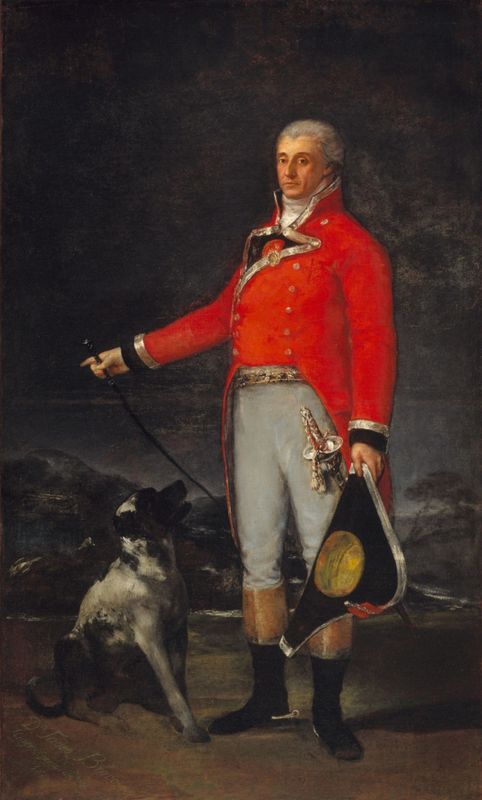 Portrait of Tadeo Bravo de Rivero
1806 · Brooklyn Museum
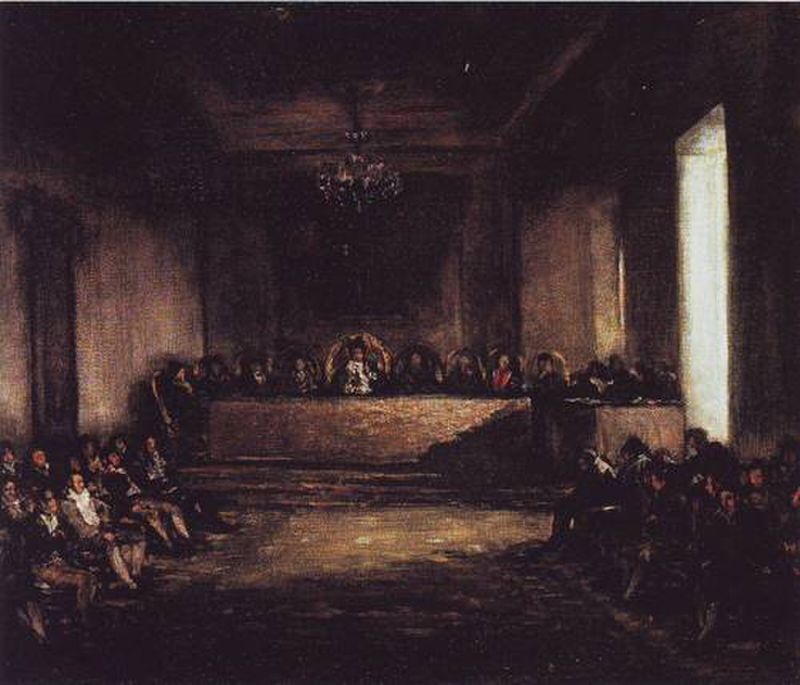 The Junta of the Philippines
1815 · Goya Museum
Take Romanticism to the museum
Point your phone at any painting and Art Whisper tells you its story — who made it, what to notice, and why it matters. Free to start.