01
The risen Christ
Look high in the dark sky. Christ floats nearly nude, one arm flung wide, the brightest and calmest body in a scene of panic.
1 of 4 on the painting
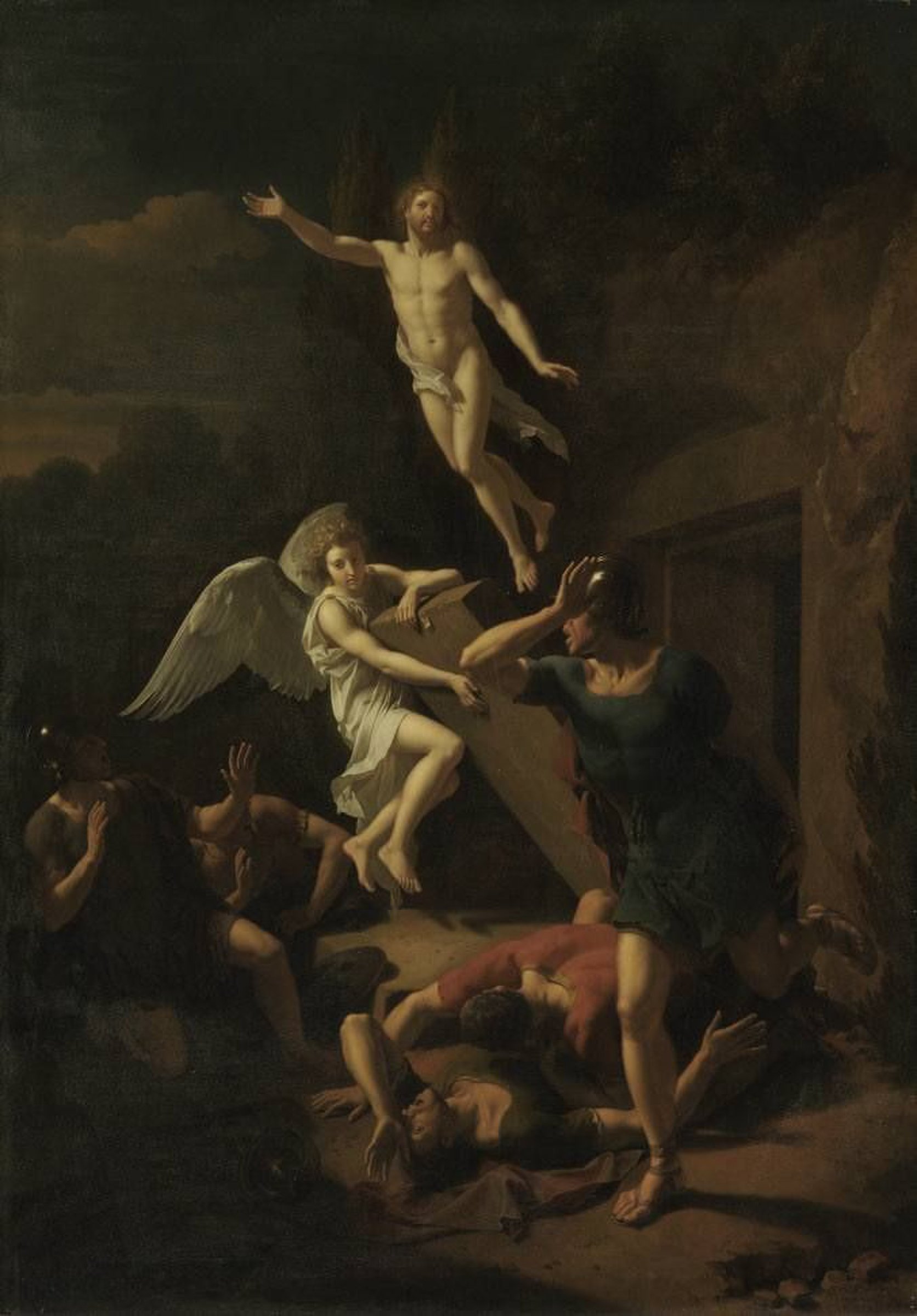
“Witness the dramatic moment of Christ's resurrection, where divine light pierces the darkness and Roman guards react in awe and terror. This Baroque masterpiece by Adriaen van der Werff captures intense emotion and meticulous detail.”
In Adriaen van der Werff's "The Resurrection," Christ ascends from his tomb, bathed in a celestial light that cuts through the dramatic gloom. The scene is a powerful blend of theatricality and reverence, with Roman soldiers recoiling in various states of shock and awe. One soldier shields his eyes, another tumbles backward, while still others are caught in a deep slumber, oblivious to the divine event unfolding. This painting, created in 1713, belongs to the Baroque period, a style known for its intense emotion and dynamic compositions. The artist, who also worked as an architect, was known for his meticulously rendered devotional and mythological scenes, often for royal patrons like Johann Wilhelm, Elector Palatine.
Five details hide in plain sight. Pick one and we’ll show you exactly where to look.
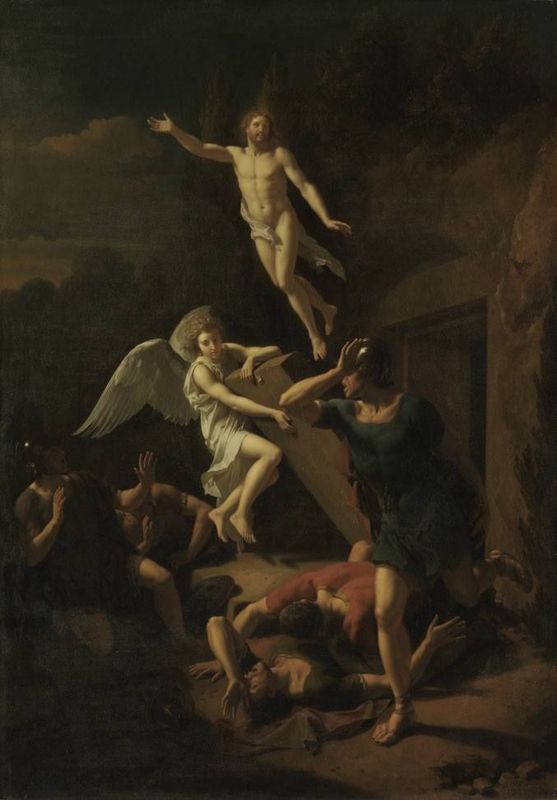
Look high in the dark sky. Christ floats nearly nude, one arm flung wide, the brightest and calmest body in a scene of panic.
The winged angel sits on the tilted tomb slab, one hand resting on it. He looks out calmly while the soldiers react around him. The slab suggests the stone has been moved aside.
On the right, a soldier in a blue-green tunic throws up a hand to shield his face and lurches back, caught mid-stride.
At the bottom, guards sprawl on the ground with arms flung out. Their tumbled poses set earthly chaos against the calm figure above.
Christ and the angel stand out against a dark, shadowed landscape. The smooth, polished finish gives their skin a porcelain-like sheen.
The full narration walks you through The Resurrection — the story behind it, the details most visitors miss, and why it matters. Free in the Art Whisper app.
Adriaen van der Werff, a Dutch master, rose from Rotterdam to become court painter to the Elector Palatine, captivating European royalty with his refined Baroque scenes.
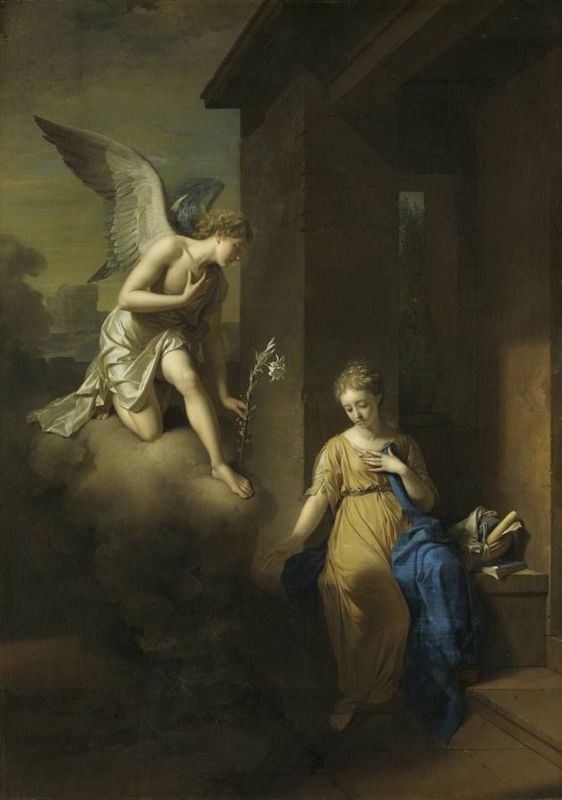 The Annunciation
1706 · Bavarian State Painting Collections
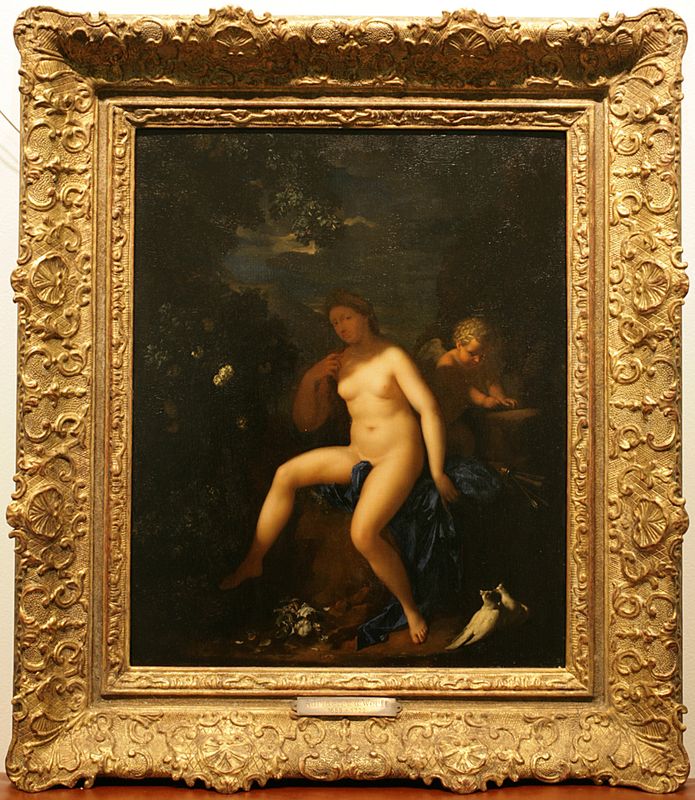 Venus and Cupid
1684 · Vizcaya Museum and Gardens
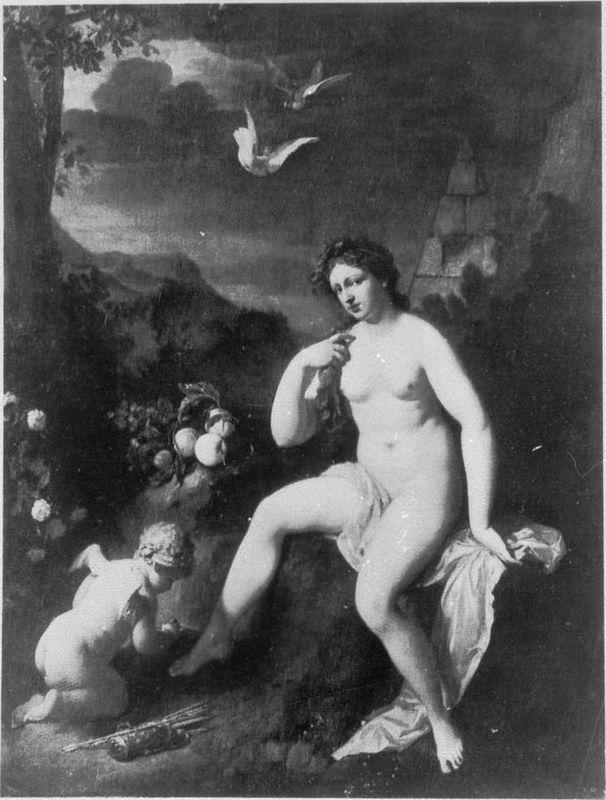 Venus and Cupid
1699 · Gemäldegalerie Alte Meister
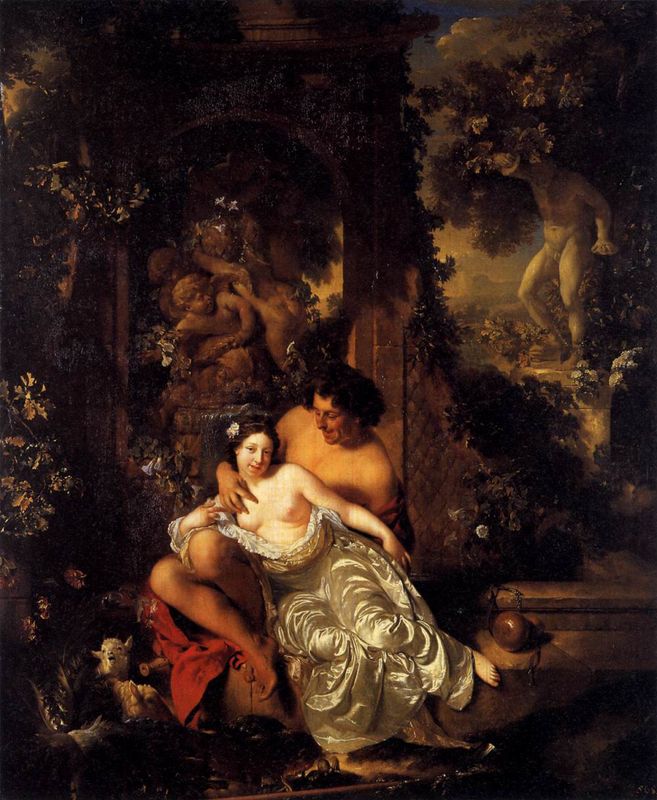 Shepherd and shepherdess
1706 · Galleria Sabauda
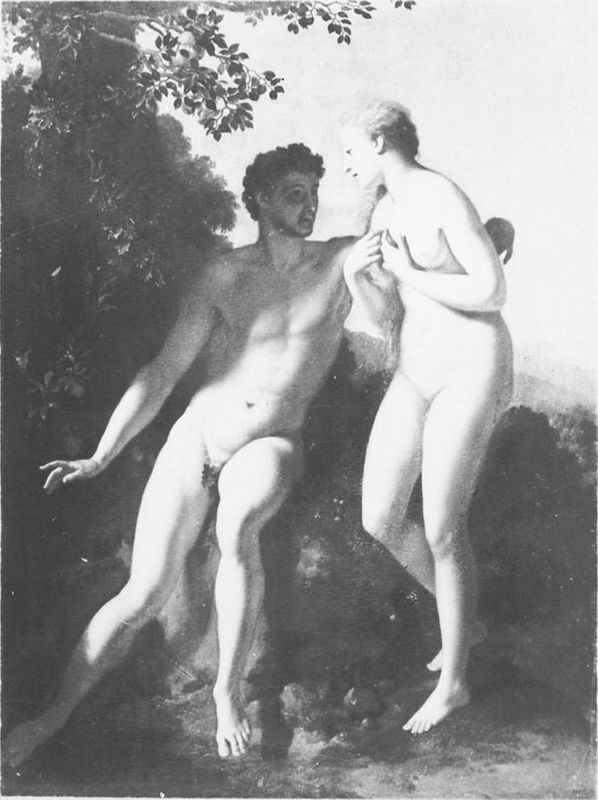 Adam and Eve
1711 · Herzog Anton Ulrich Museum
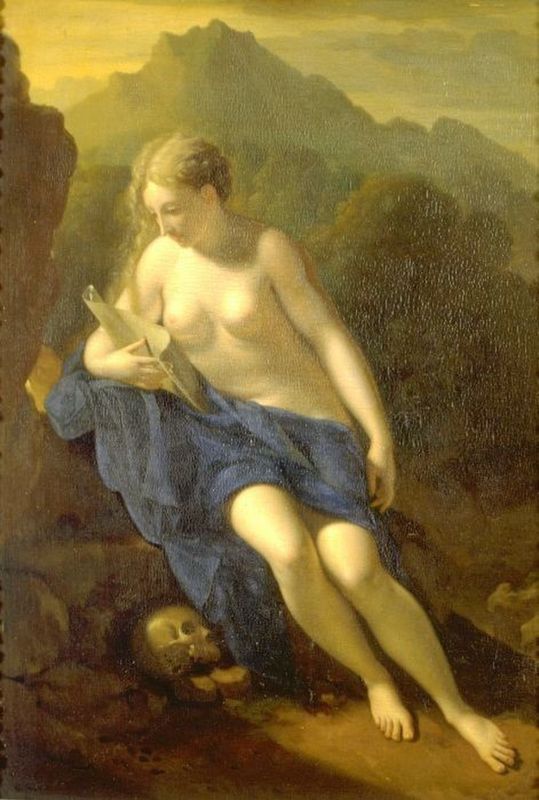 Penitent Magdalene
1712 · Gemäldegalerie Berlin
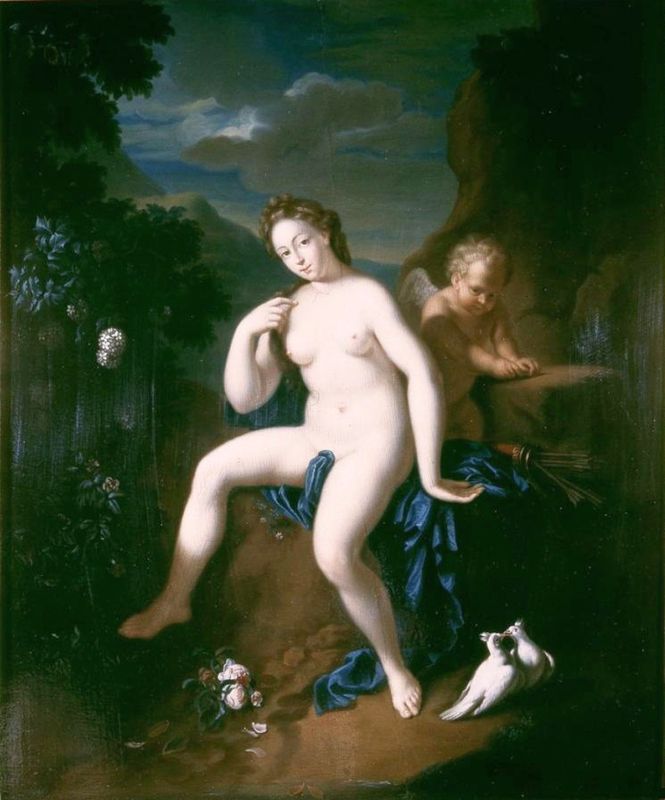 Venus and Cupid
1716 · Czartoryski Museum
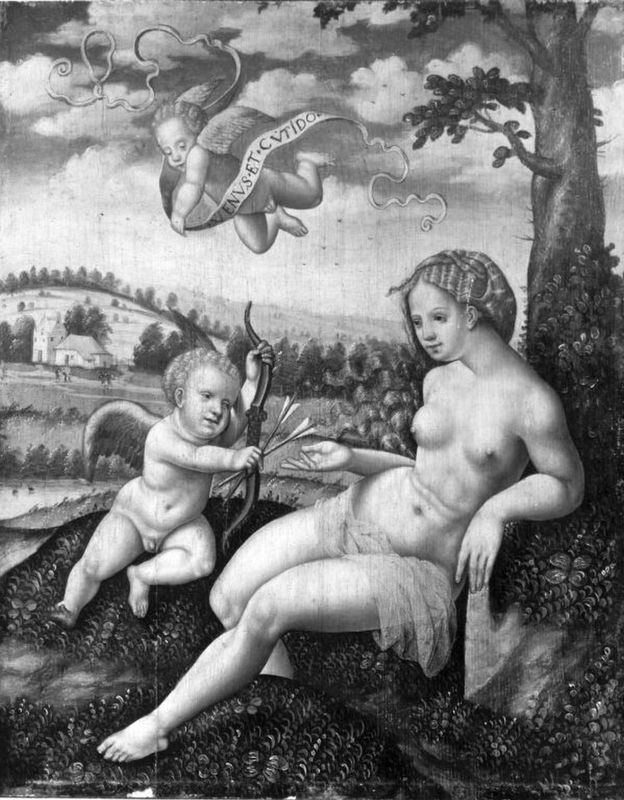 Venus and Amor
1684 · Bavarian State Painting Collections
Beyond van der Werff: works from the same years.
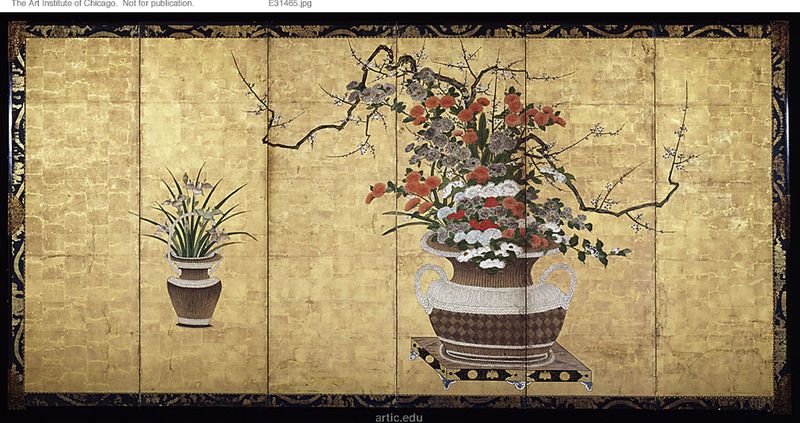 Same era · 1690s–1720s
Baskets with Flowers of the Four Seasons
Artist Unknown - The Mercat Cross, Aberdeen · 1701 · Art Institute of Chicago
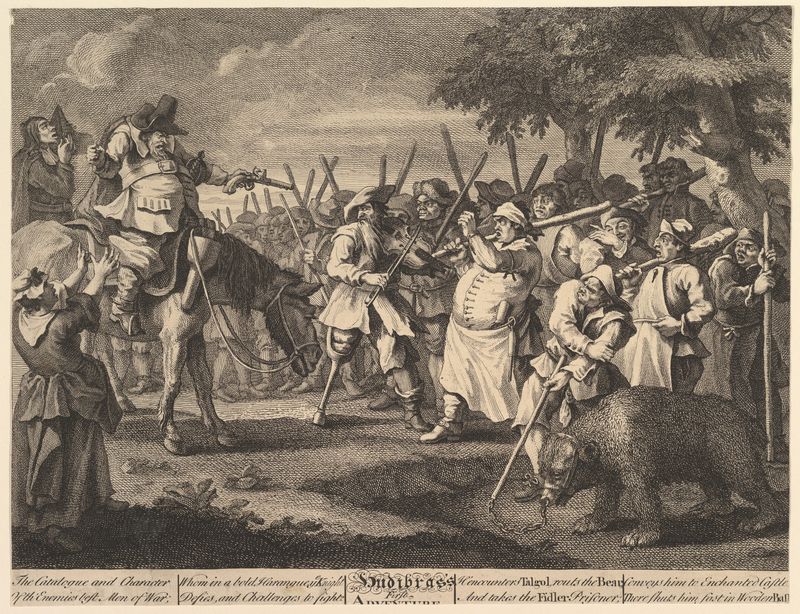 Same era · 1690s–1720s
Hudibras' First Adventure (Twelve Large Illustrations for Samuel Butler's Hudibras, Plate 3)
William Hogarth · 1725 · The Metropolitan Museum of Art
 Same era · 1690s–1720s
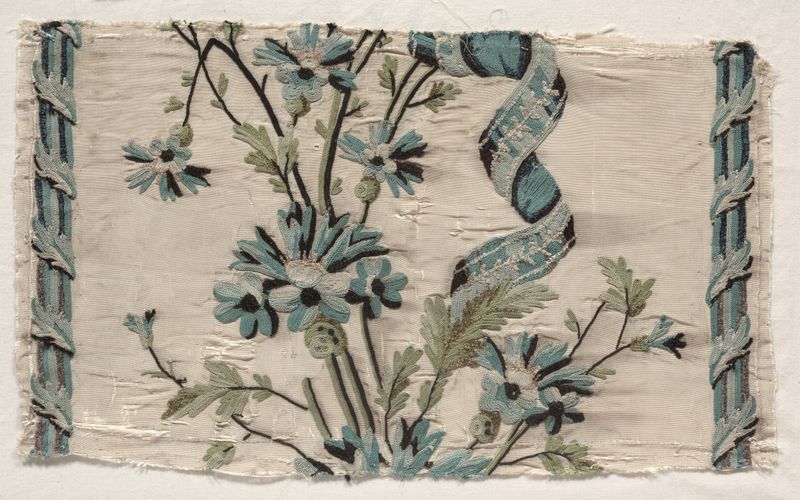
Two Pieces of Embroidery
Philippe de la Salle · 1723 · Cleveland Museum of Art
 Same era · 1690s–1720s
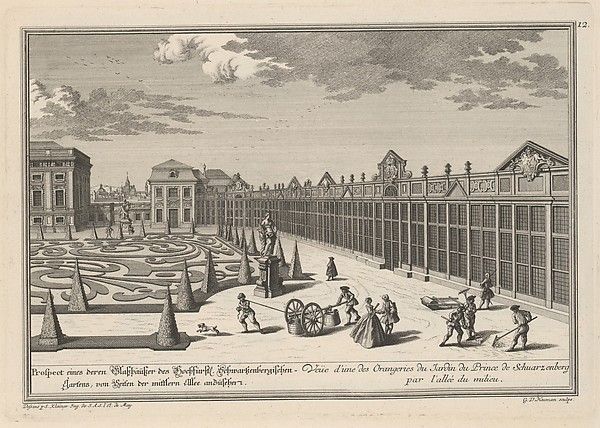
Viererleÿ Vorstellungen angenehm-und zierlicher Grundrisse folgender Lustgärten ausser der Residenz-Stadt Wienn..
Salomon Kleiner · 1725 · The Metropolitan Museum of Art
 Same era · 1690s–1720s
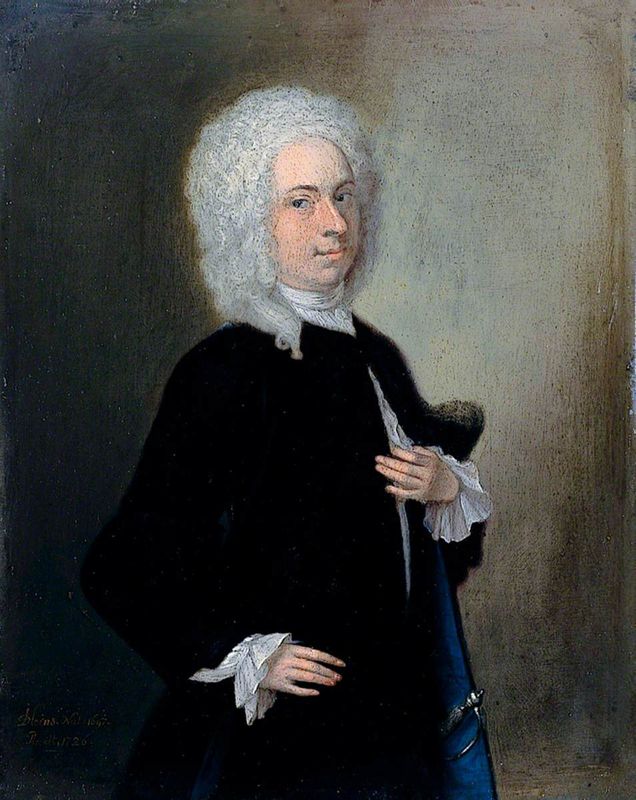
Self Portrait
John Theodore Heins · 1726 · Norfolk Museums Collections
