
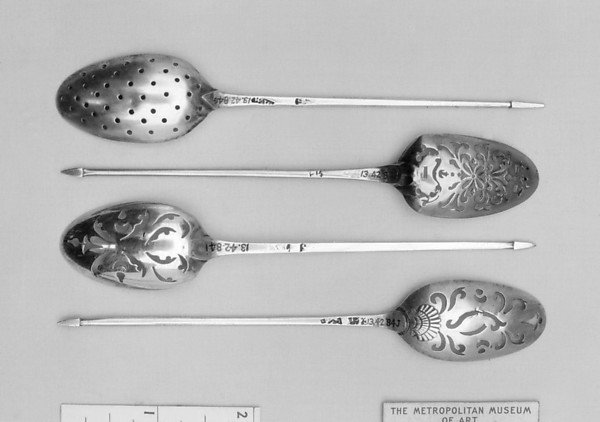
“This silver strainer spoon from 1700 offers a window into the refined domestic life of the 18th century, showcasing how even everyday objects blended practicality with elegant design.”
This small strainer spoon, crafted from silver, is a testament to both practical design and refined taste in the early 18th century. Its delicate perforations, designed to separate solids from liquids, hint at the domestic rituals and culinary practices of the time. The spoon’s modest size suggests its use for individual servings, perhaps for tea, punch, or a specific condiment. While functional, its elegant form and the inherent value of silver elevate it beyond a mere utensil, reflecting a period when even everyday objects were often imbued with decorative artistry and status. It offers a glimpse into the material culture of the era, where craftsmanship and utility converged in pieces like this.
- Artist
- William Wooller
- Date
- 1700
- Medium
- Silver
- Location
- The Metropolitan Museum of Art
- Dimensions
- Length: 5 in. (12.7 cm)
What to Notice
Four details hide in plain sight. Here’s where to look.
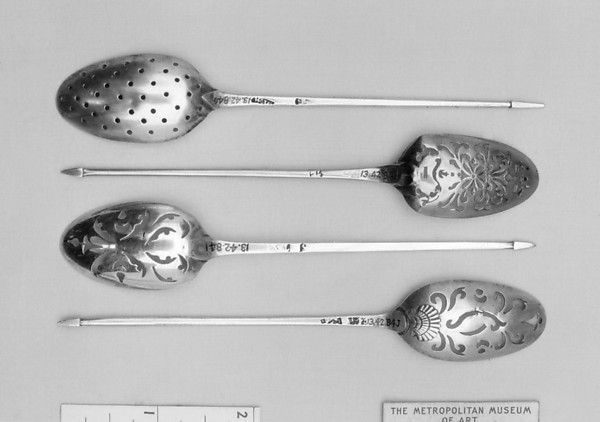
Observe the pattern of the perforations in the bowl.
Note the smooth, reflective surface of the silver.
Examine the subtle curve of the handle.
Consider its small scale, suggesting individual use.
William Wooller
William Wooller is known for his work, including the intriguing 'Strainer spoon' from the 18th century.
Further Works by Wooller
More works to explore
Beyond Wooller: works from the same years.
 Same era · 1680s–1710s
Baskets with Flowers of the Four Seasons
Artist Unknown - The Mercat Cross, Aberdeen · 1701 · Art Institute of Chicago
 Same era · 1680s–1710s
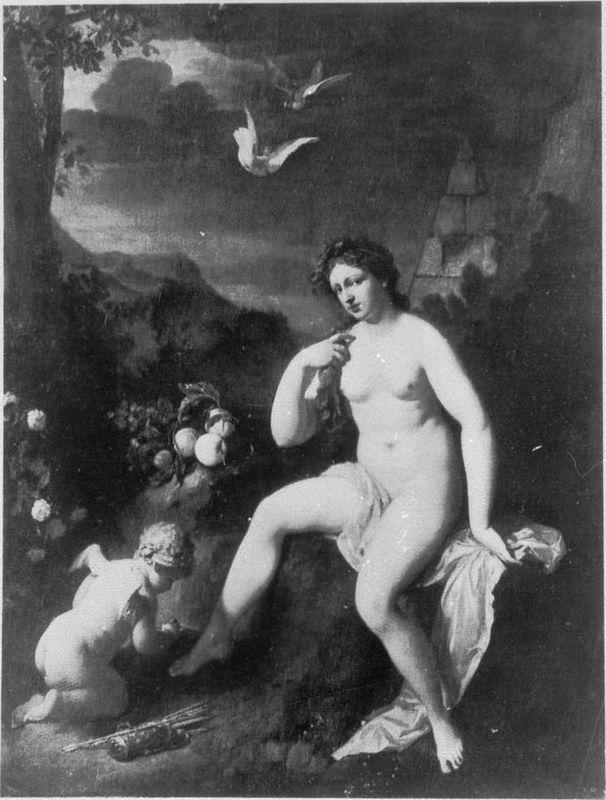
Venus and Cupid
Adriaen van der Werff · 1699 · Gemäldegalerie Alte Meister
 Same era · 1680s–1710s
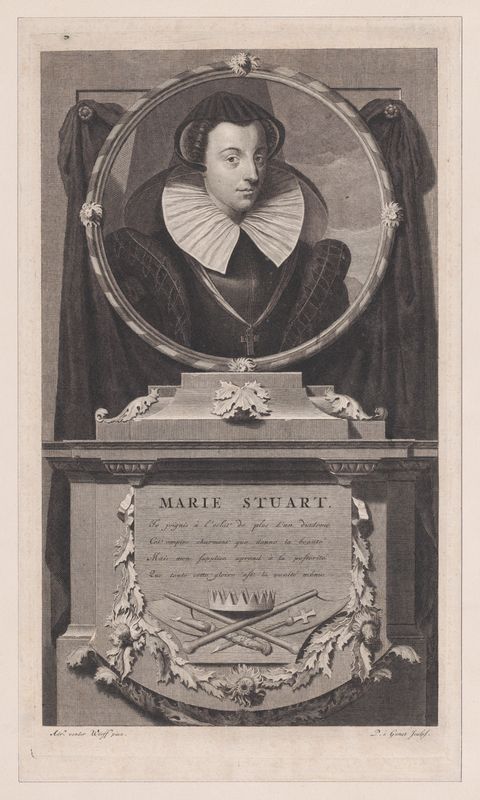
Mary, Queen of Scots (from "Histoire d'Angleterre, d'Ecosse et d'Irlande," volume 1)
Pieter van Gunst · 1697 · The Metropolitan Museum of Art
 Same era · 1680s–1710s
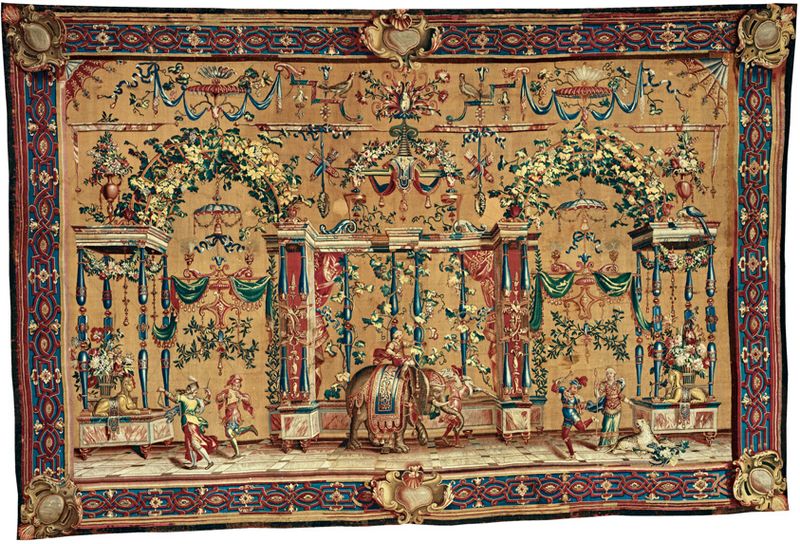
The Elephant, from The Berain Grotesques Series
Jean-Baptiste Monnoyer · 1688 · Art Institute of Chicago