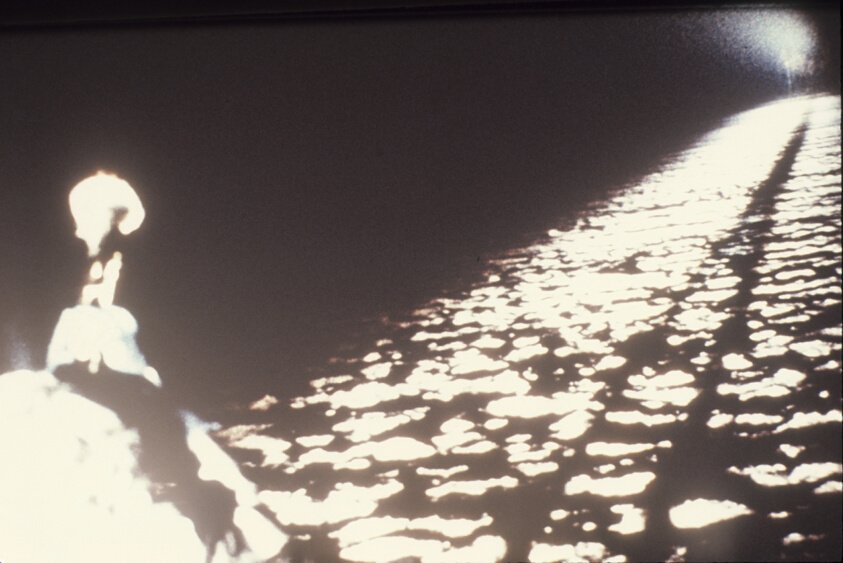

“Imagine art so massive you can't fit it in a museum—that's Land art.”
Born in the rebellious 1960s and 70s, this movement took art out of galleries and plunked it right into the landscape itself. Artists like Robert Smithson, Michael Heizer, and Nancy Holt grabbed bulldozers, rocks, and earth to create monumental works in deserts, mountains, and remote locations. They were reacting against the commercialization of art, asking: what if we made something too big to buy or sell?
These works aren't just placed on the land—they're made from it. Artists carved into mesa tops, rearranged tons of soil and stone, and let nature become both their canvas and their medium. Many pieces are designed to change over time, eroding, flooding, or being reclaimed by vegetation. It's art that embraces impermanence, which was radical when the art world valued preservation above all else. Some works, like Smithson's Spiral Jetty, emerge and disappear depending on water levels, making every visit unpredictable.
Today, experiencing Land art often means planning a pilgrimage. These works exist in places like the Utah desert or Nevada's remote valleys—you might need a map, water, and good hiking boots. Museums can only show you documentation: photographs, sketches, and films that capture these earthworks. This movement challenged fundamental questions about what art is, who owns it, and whether it should last forever. It's the ultimate outdoor gallery, where the sky is the ceiling and the horizon is your wall label.
- Period
- c. 1960–present
- Peak
- around 1970
- Born in
- United States
- Key artists
- Agnes Denes, Andy Goldsworthy, Christo, Dennis Oppenheim
- Came before
- Minimalism
- Came after
- Environmental art
When it happened
- CAME BEFOREMinimalism
- ~1967 · STARTED
- ~1970 · PEAKED
- CAME AFTEREnvironmental art
What makes it Land art
Monumental Scale
Works span hundreds or thousands of feet, visible from aerial views, requiring earth-moving equipment to construct.
e.g. Double Negative by Michael HeizerSite-Specific and Remote
Created in isolated natural locations—deserts, lakes, mountains—often requiring travel to experience firsthand.
e.g. Spiral Jetty by Robert SmithsonNatural Materials
Made from earth, rocks, water, and vegetation found on-site, integrating seamlessly with the surrounding landscape.
e.g. Sun Tunnels by Nancy HoltEmbraces Change & Decay
Designed to weather, erode, or transform with seasons, rejecting the traditional goal of permanence in art.
e.g. Roden Crater by James TurrellDocumented Through Photography
Known primarily through aerial photos and films since the works themselves can't enter museums or galleries.
e.g. Lightning Field by Walter De MariaHow to spot Land art
Three signs you’re standing in front of one — all easy to see in Levitated Mass.
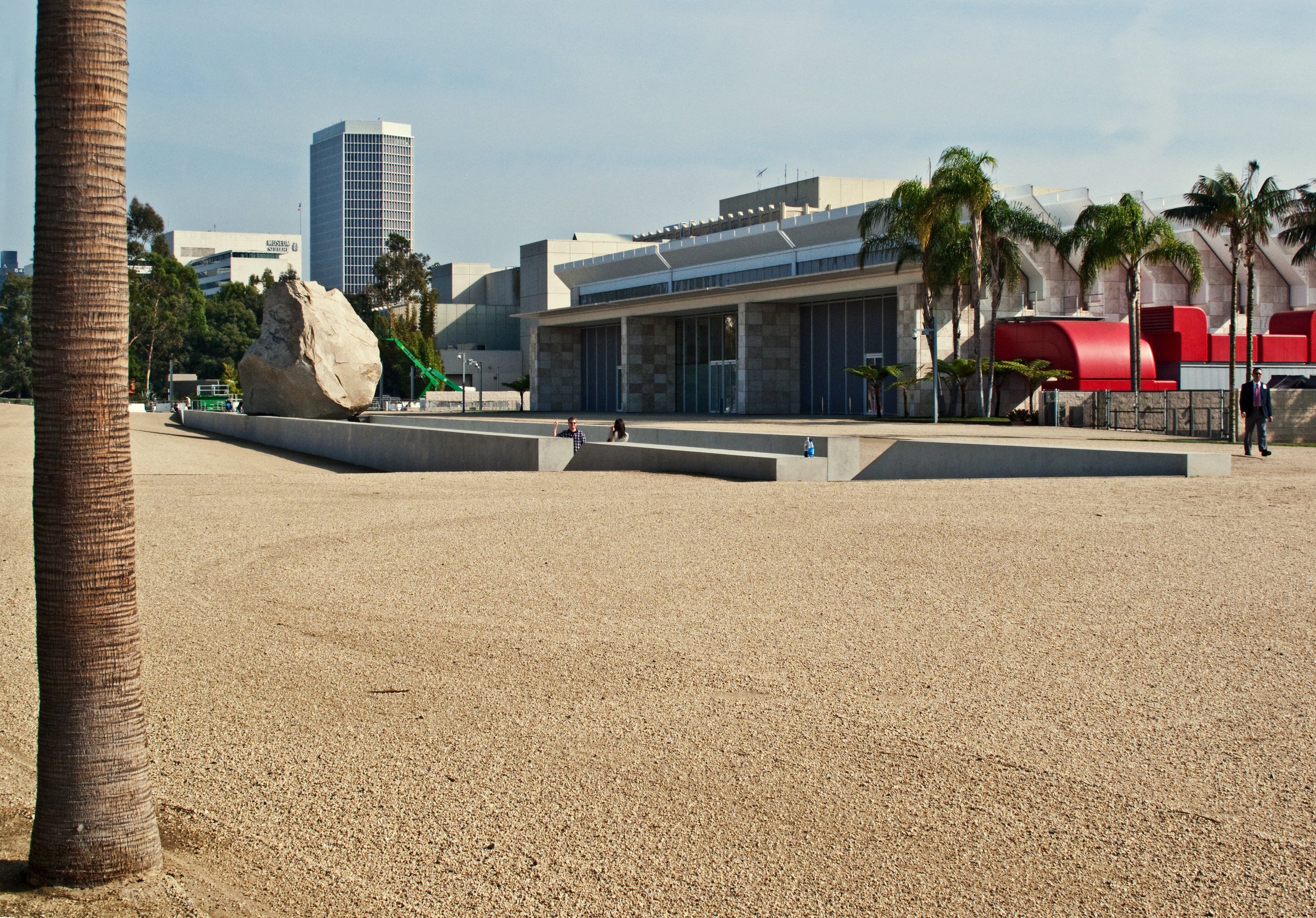
Look for large-scale photographs or aerial documentation showing geometric shapes carved into or built upon natural landscapes.
Notice natural materials like boulders, earth, or salt crystals arranged in patterns—nothing polished or gallery-ready.
Watch for time-lapse videos or seasonal photo series showing how the work changes with weather, water levels, or light.
Spiral Jetty disappeared underwater for 30 years and re-emerged covered in white salt crystals, transforming its appearance completely.
Michael Heizer's City in Nevada has been under construction since 1972 and spans 1.5 miles—it's still not open to the public.
Some Land art works cost millions to create but can never be sold, making them the ultimate anti-commodity artistic statement.
The artists who defined it
Works to know
Take Land art to the museum
Point your phone at any painting and Art Whisper tells you its story — who made it, what to notice, and why it matters. Free to start.