
Imagine walking into a gallery and finding not paintings, but instructions to make a salad, or a box filled with random objects, or someone sweeping the floor as 'performance art.' That's Fluxus—the anti-art movement that questioned everything museums stand for. Born in 1960s New York City around a loose collective of rebels, Fluxus artists believed art had become too serious, too commercial, and too removed from everyday life. They wanted to break down the walls between art and life, making creativity something anyone could do, not just trained artists in fancy studios.
The name 'Fluxus' means 'flowing' or 'change' in Latin, and that captures their spirit perfectly. These weren't artists making precious objects to hang on walls—they were creating happenings, publishing cheap artist books, making quirky boxed editions, and staging absurdist performances. Led by figures like George Maciunas, who organized their events and manifestos, Fluxus brought together international artists like Yoko Ono, Nam June Paik, and George Brecht. They drew inspiration from composer John Cage's experimental ideas about chance and silence, and from Dada's playful rejection of traditional art.
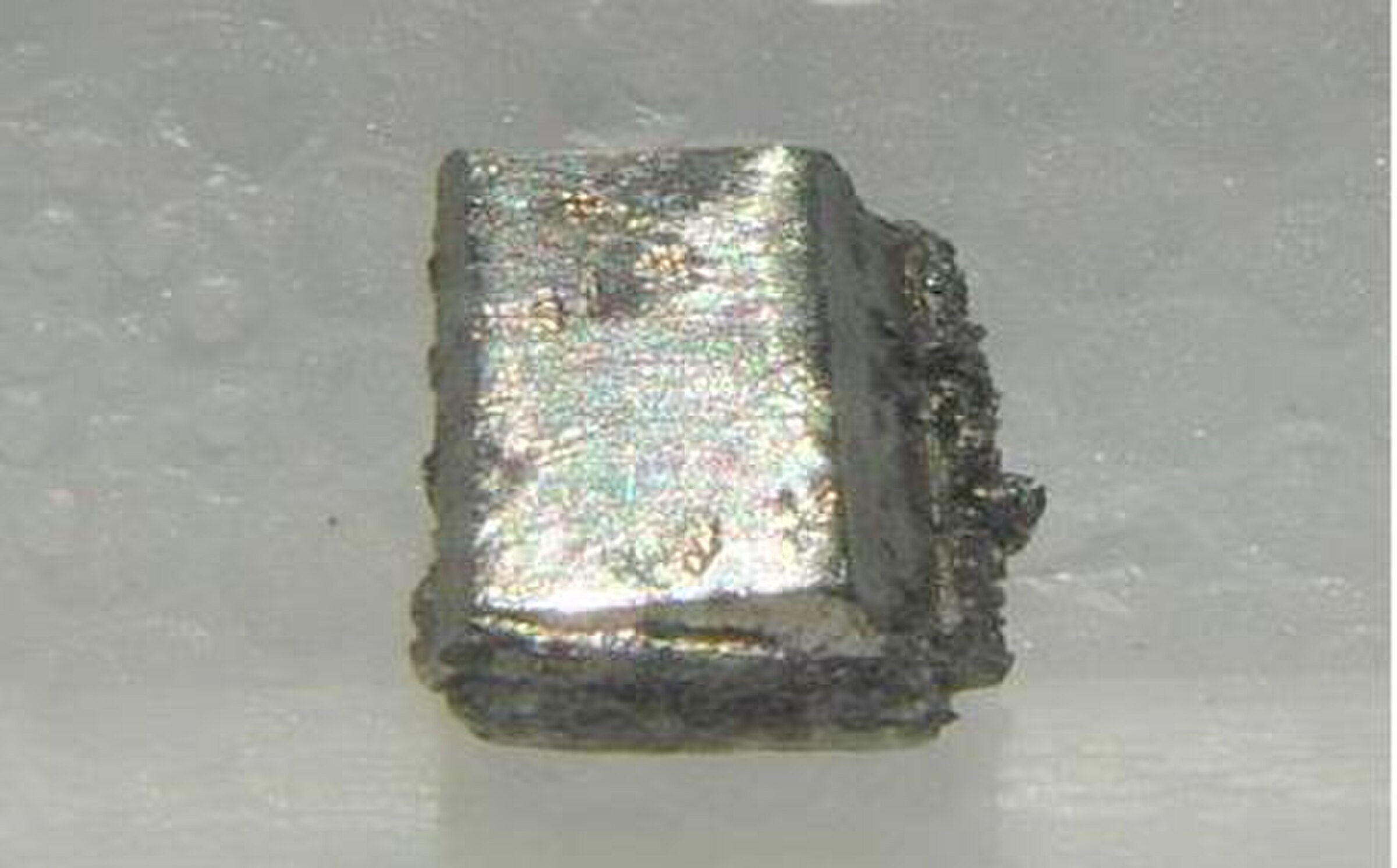
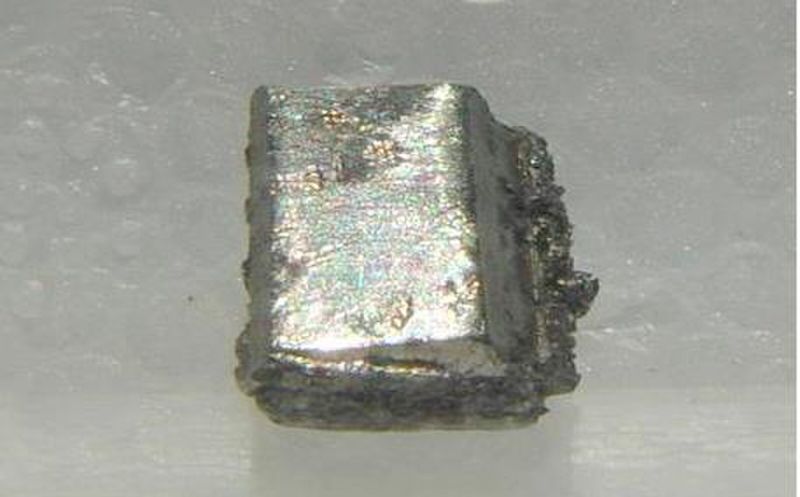
What makes Fluxus tricky to spot in museums is that it often doesn't look like 'art' at all. You might see simple instruction cards (called 'event scores'), everyday objects recontextualized, or documentation of performances that happened decades ago. The works are often small, humble, even disposable-looking—and that's entirely the point. Fluxus rejected the idea of art as rare and valuable, instead embracing the democratic, the humorous, and the ephemeral. If you're standing in front of something that makes you think 'wait, is this really art?'—congratulations, you're probably looking at Fluxus.
- Period
- c. 1960–1978
- Peak
- around 1965
- Born in
- New York City, USA
- Key artists
- Al Hansen, Ben Vautier, Carolee Schneemann, Dick Higgins
- Came before
- Neo-Dada and Happenings
- Came after
- Conceptual Art and Performance Art
When it happened
- CAME BEFORENeo-Dada and Happenings
- ~1960 · STARTED
- ~1965 · PEAKED
- ~1978 · ENDED
- CAME AFTERConceptual Art and Performance Art
What makes it Fluxus
Event Scores & Instructions
Simple text instructions for actions or performances, often printed on small cards. The instruction IS the artwork.
e.g. Grapefruit by Yoko OnoFlux Boxes & Multiples
Small boxed collections of everyday objects, toys, or materials—art you could theoretically afford and take home.
e.g. Flux Year Box 2 by George MaciunasIntermedia & Performance
Hybrid works mixing music, theater, and visual art. Look for documentation photos of absurdist performances.
e.g. Cut Piece by Yoko OnoAnti-Precious Materials
Found objects, cheap materials, photocopies. Nothing looks expensive or museum-worthy—that's intentional.
e.g. Zen for Film by Nam June PaikHumor & Absurdity
Expect jokes, puns, and playful provocations. If it makes you laugh or scratch your head, you're on track.
e.g. Drip Music by George BrechtHow to spot Fluxus
Three signs you’re standing in front of one — all easy to see in Interior Scroll.

Look for text instructions or 'scores' that describe simple actions rather than traditional artworks on walls
Check for small boxed collections of random objects, or documentation photographs of performances rather than finished art pieces
Notice cheap, everyday materials and a deliberately anti-precious quality—nothing should look expensive or museum-worthy
George Maciunas designed the Fluxus logo and ran the movement like a brand, complete with manifestos calling for the 'death of art'
Yoko Ono's 'Cut Piece' (1964) invited audience members to cut off her clothing with scissors—art as vulnerability and participation
Many Fluxus works were deliberately priced cheaply (under $5) so anyone could afford them, defying the art market's elitism
The artists who defined it
Works to know

Take Fluxus to the museum
Point your phone at any painting and Art Whisper tells you its story — who made it, what to notice, and why it matters. Free to start.