
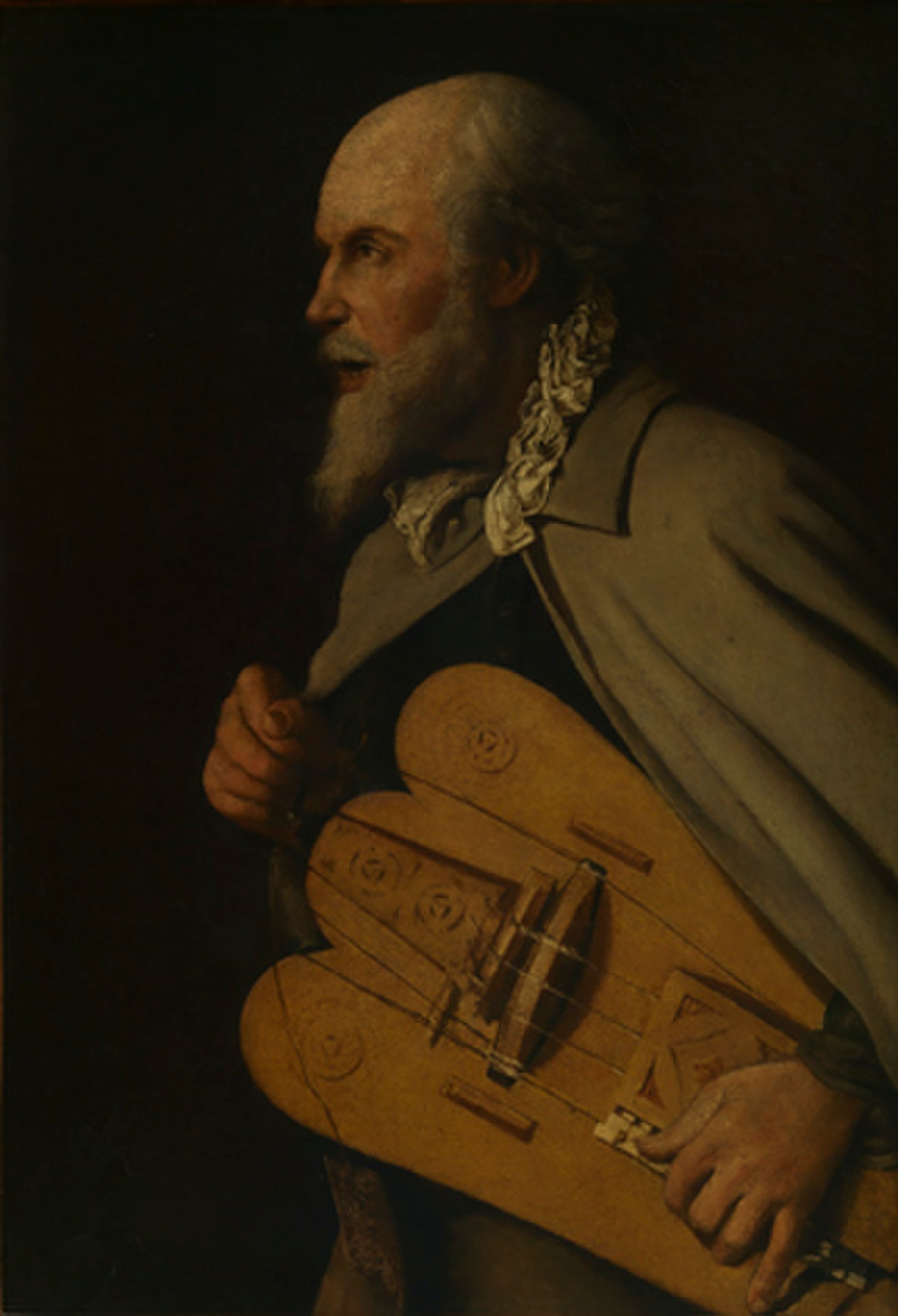
“Stop and observe the quiet intensity of this hurdy-gurdy player. The artist uses light and shadow to transform a simple scene into a profound meditation on everyday life.”
A lone figure, likely a beggar, stands against a dark background, clutching a hurdy-gurdy. His gaze is directed downward, perhaps in concentration or resignation, as his fingers work the instrument. The scene is bathed in a soft, natural light that highlights the textures of his worn clothing and the details of his face, creating a sense of quiet dignity despite his apparent poverty. This painting, with its stark contrasts between light and shadow, draws the viewer into a moment of everyday life, transformed by the artist's keen observation into something deeply contemplative. It reflects a broader artistic interest in genre scenes and the lives of ordinary people, a common thread in European painting of the period.
- Artist
- Georges de La Tour
- Location
- Royal Museums of Fine Arts of Belgium
What to Notice
Four details hide in plain sight. Here’s where to look.
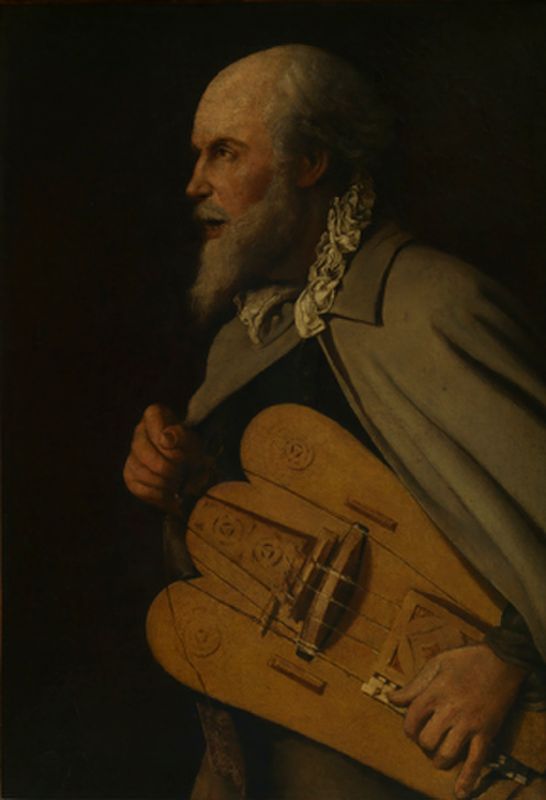
The texture of the hurdy-gurdy's wooden body.
The intricate folds and tears in the player's garment.
The subtle shadows defining the contours of his face.
The way light catches the strings and crank of the instrument.
Stand in front of it and listen
The full narration walks you through The hurdy-gurdy player — the story behind it, the details most visitors miss, and why it matters. Free in the Art Whisper app.
Georges de La Tour
1593–1652 · Duchy of LorraineGeorges de La Tour, a master of candlelight, illuminated religious scenes with a quiet, dramatic chiaroscuro that captivated 17th-century Lorraine.
Further Works by de La Tour
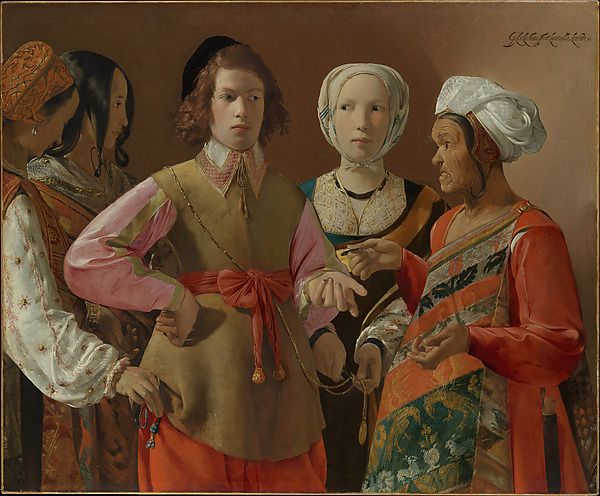 The Fortune-Teller
1630 · The Metropolitan Museum of Art
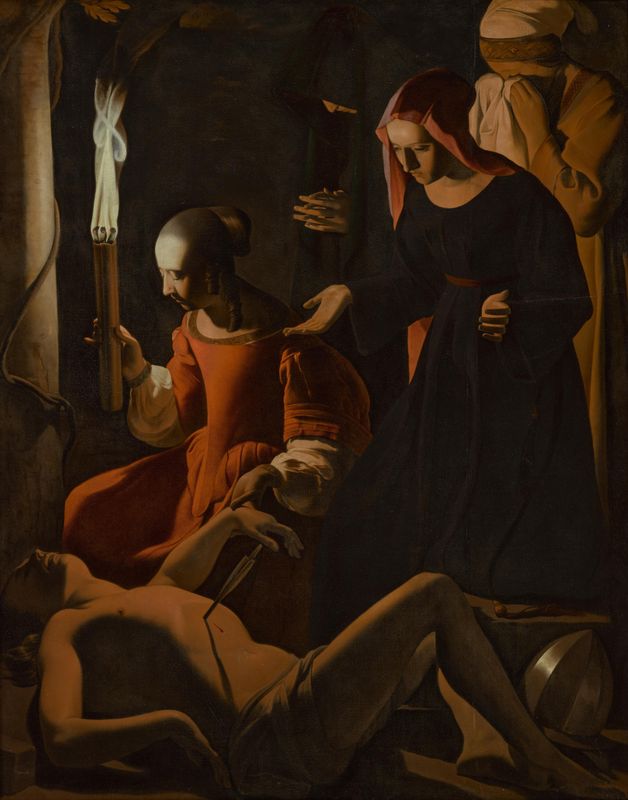 Saint Sebastian tended by Saint Irene
1634 · Gemäldegalerie Berlin
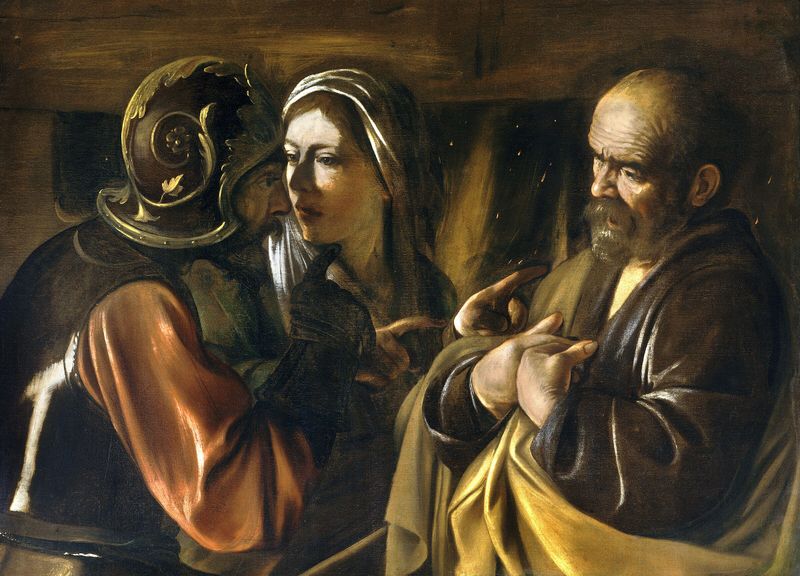 The Denial of Saint Peter
1650 · Nantes Museum of Arts
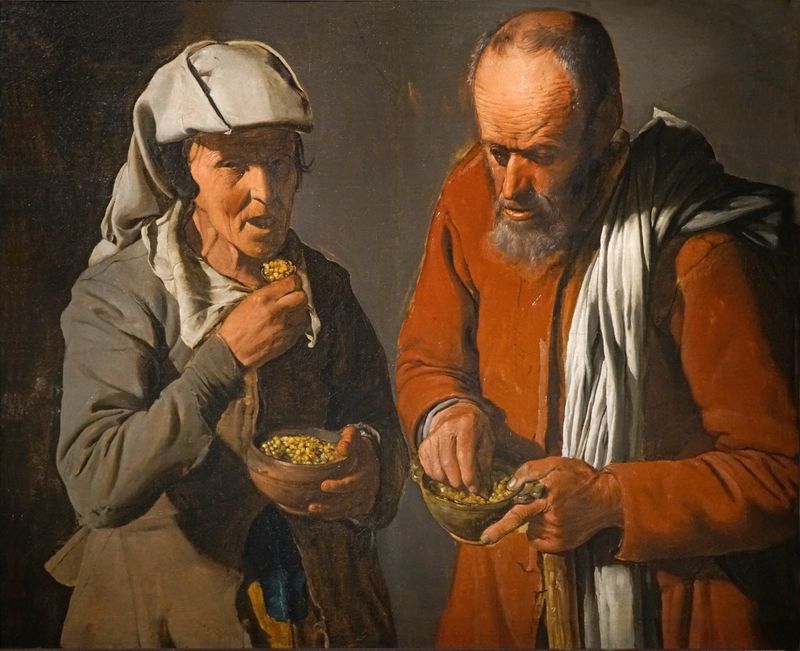 Peasant couple eating peas
1623 · Gemäldegalerie Berlin
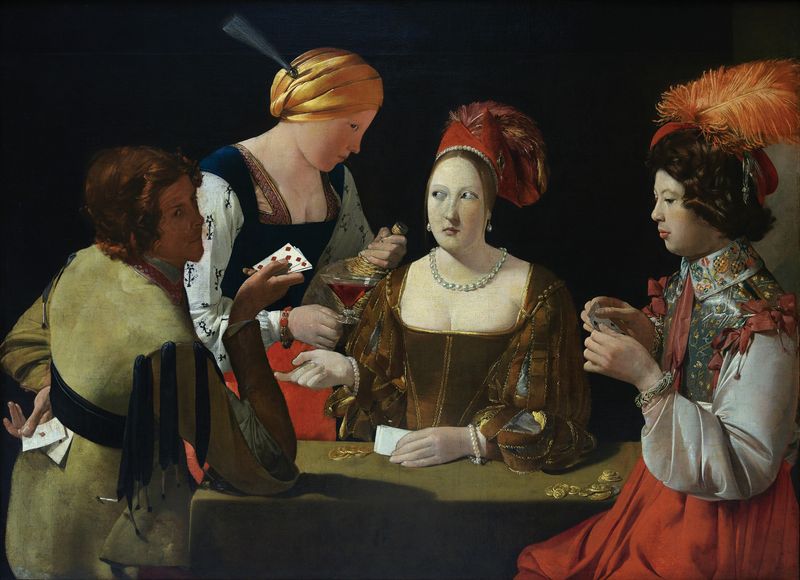 The Cheat with the Ace of Diamonds
1635 · Department of Paintings of the Louvre
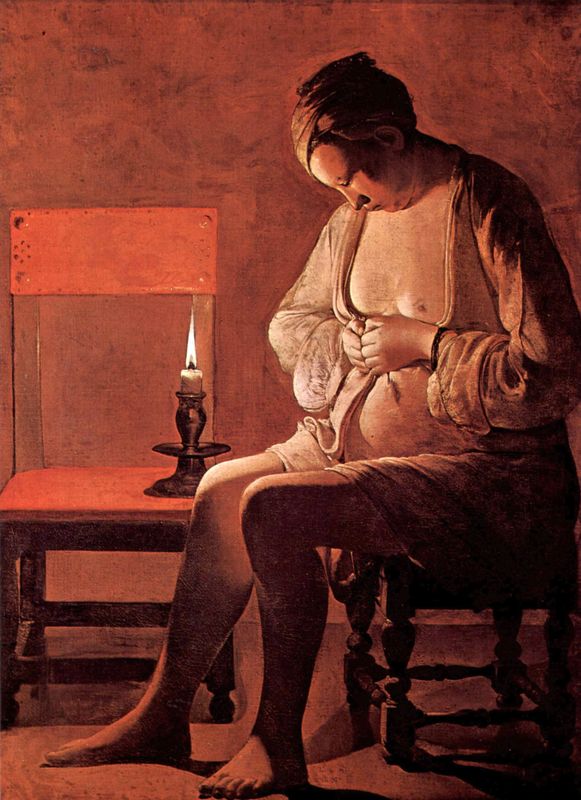 Woman Catching Fleas
1635 · Musée Lorrain
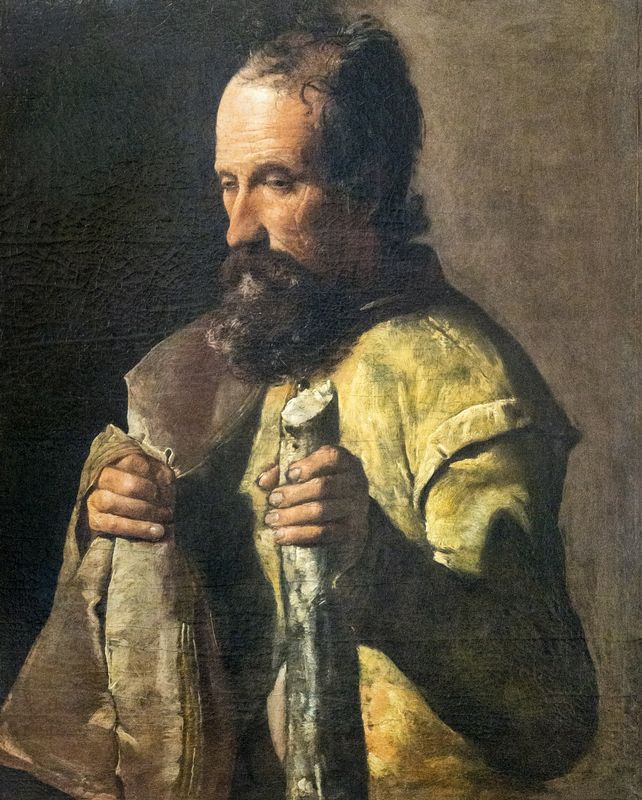 Jacob
1637 · Musée Toulouse-Lautrec
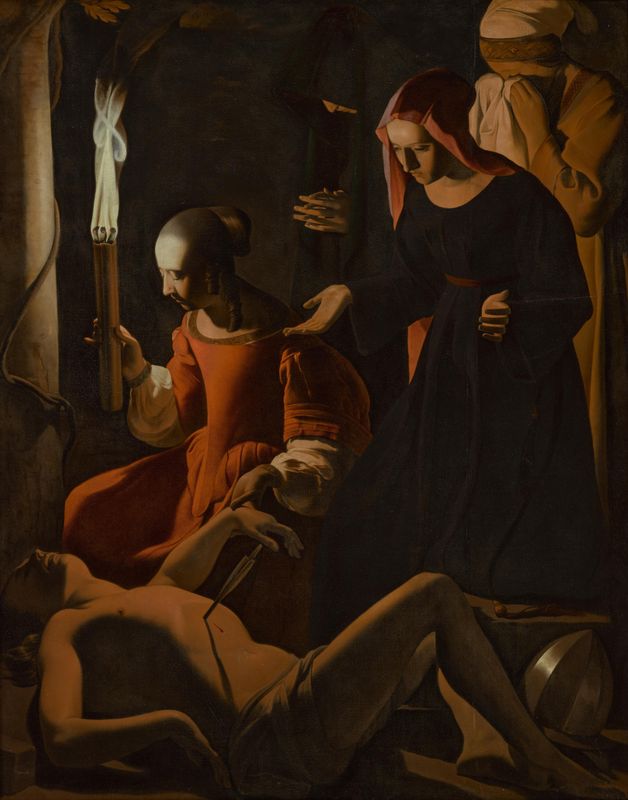 Saint Sebastian tended by Saint Irene
1638 · Seattle Art Museum