
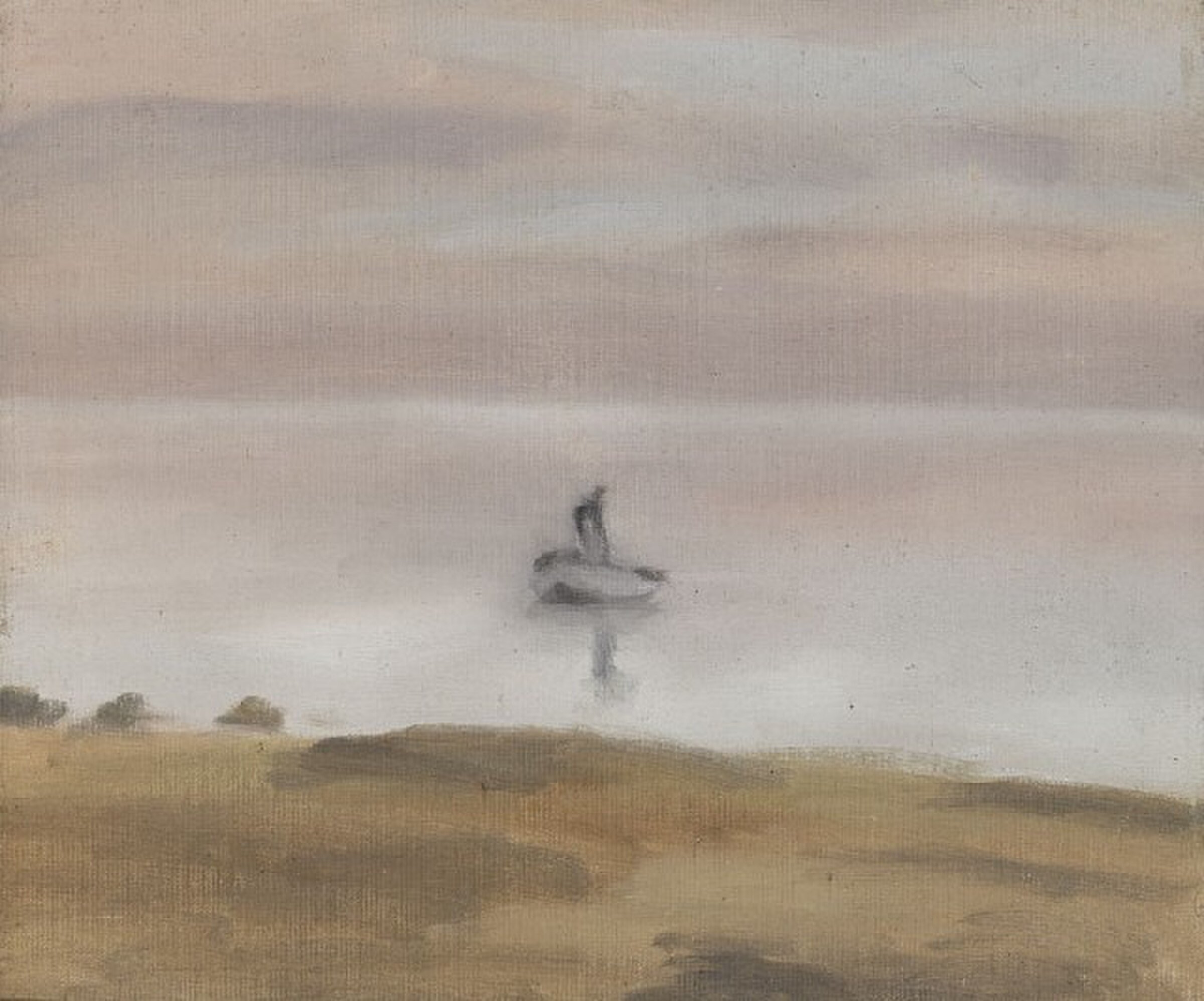
“Pause to appreciate the quiet beauty of this tonalist landscape. Clarice Beckett masterfully captures the fleeting light of dusk, transforming an everyday scene into a moment of profound calm and introspection.”
A lone figure walks away from us into the muted glow of a fading day in "Evening Return." The scene is softened by a pervasive mist, characteristic of Australian Tonalism, a movement that sought to capture the subtle atmospheric effects of light. This painting offers a glimpse into the everyday life of Melbourne's suburbs, a subject Clarice Beckett frequently explored, often at dawn or dusk when her domestic duties allowed her to paint outside. The simple composition and the soft, almost blurred forms invite contemplation, drawing attention to the quiet beauty of an ordinary moment. It reflects a radical simplicity in Australian art for its time, distilling the scene to its essential tonal impressions rather than elaborate detail.
- Artist
- Clarice Beckett
What to Notice
Four details hide in plain sight. Here’s where to look.
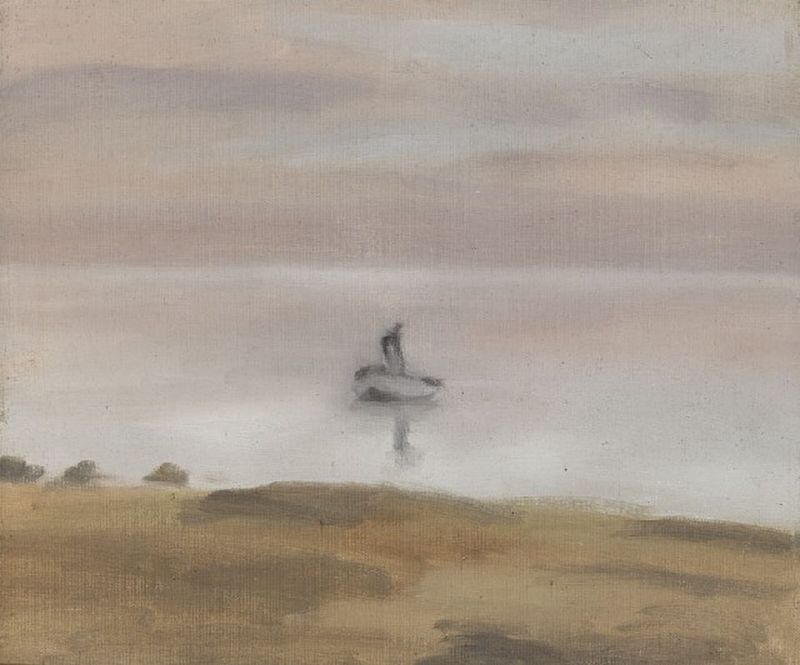
The soft, diffused light of the setting sun.
The solitary figure, almost blending into the landscape.
The limited color palette, emphasizing shades and tones.
The misty, atmospheric quality that blurs distinct forms.
Stand in front of it and listen
The full narration walks you through Evening Return — the story behind it, the details most visitors miss, and why it matters. Free in the Art Whisper app.
Clarice Beckett
1887–1935 · AustraliaClarice Beckett captured the subtle, misty light of Melbourne's everyday scenes, becoming a quiet pioneer of Australian modernism.
Further Works by Beckett
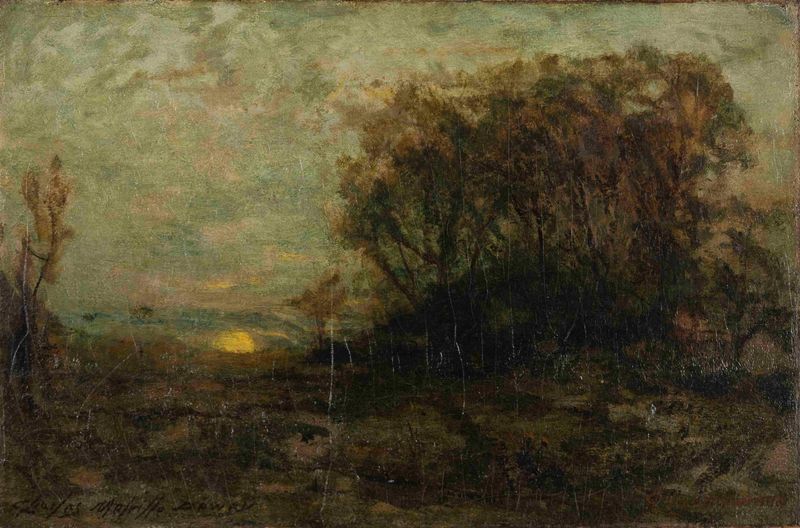 Evening landscape
National Gallery of Australia
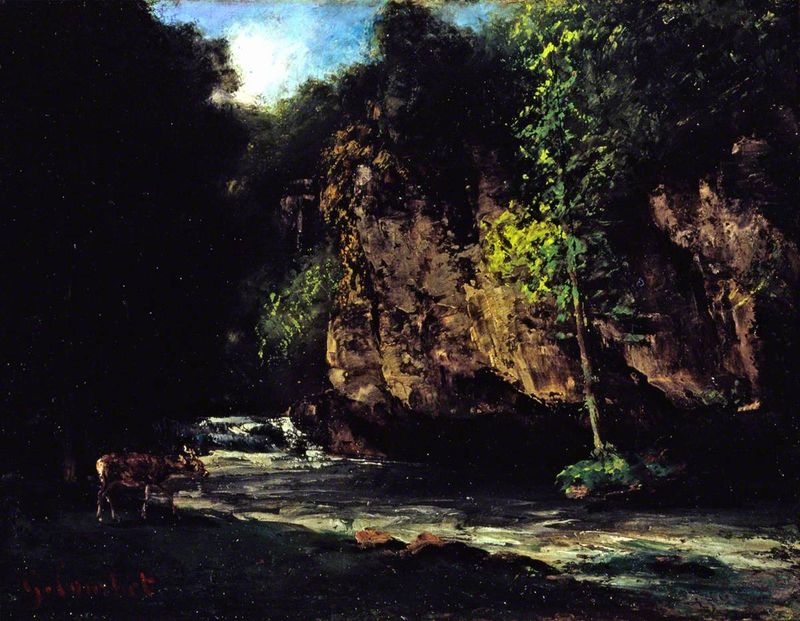 The stream
National Gallery of Australia
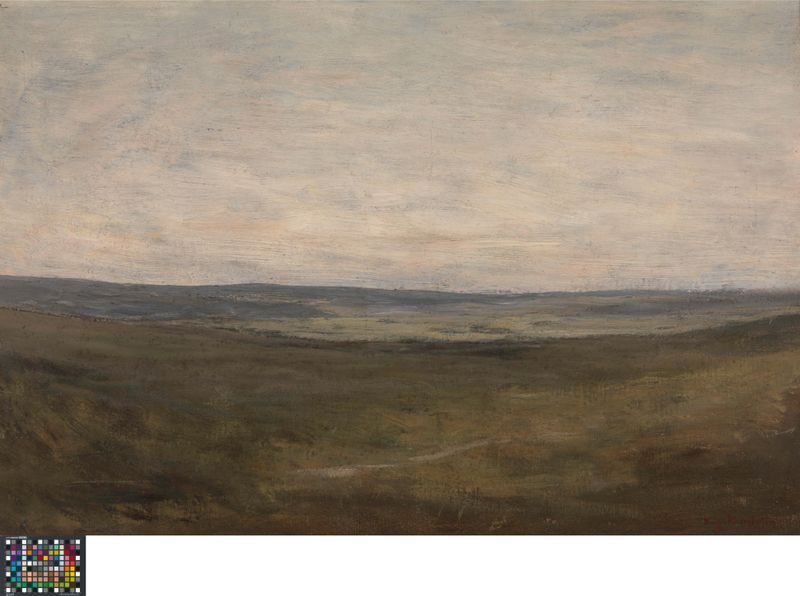 The plains
1926 · Art Gallery of South Australia
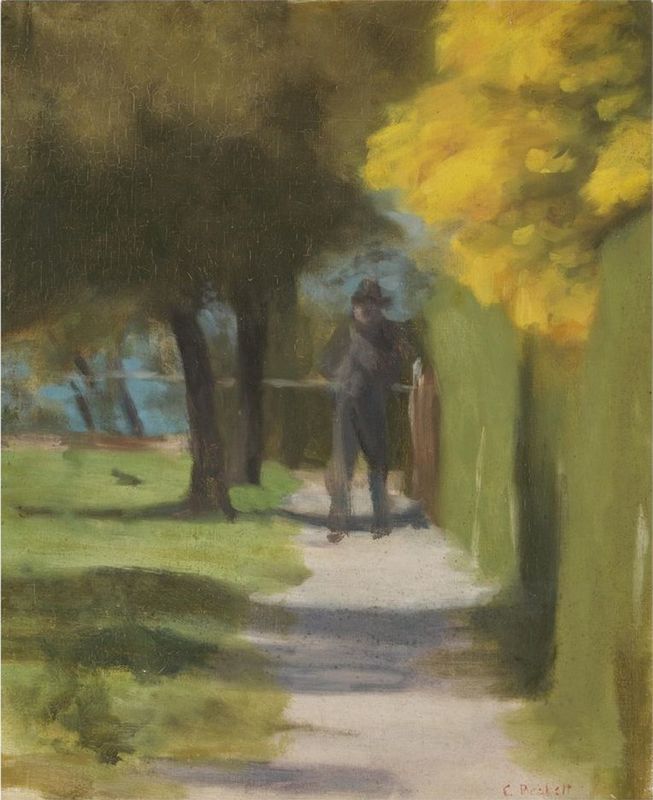 October morning
1927 · Art Gallery of South Australia
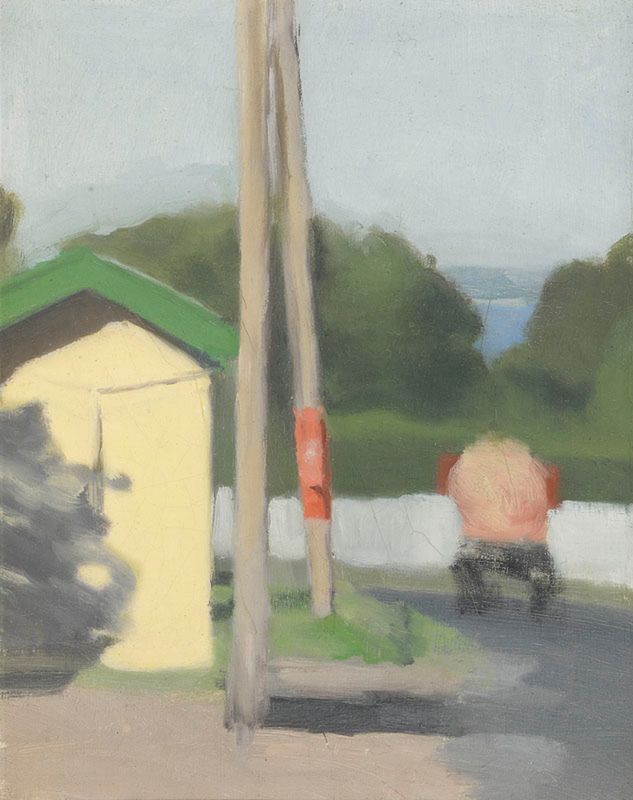 The Bus Stop
1930
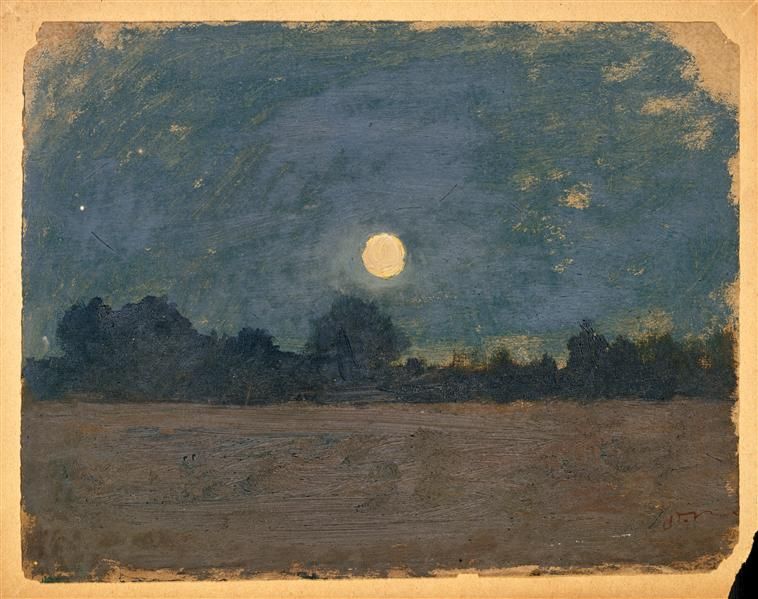 Nocturne
1931 · Art Gallery of South Australia
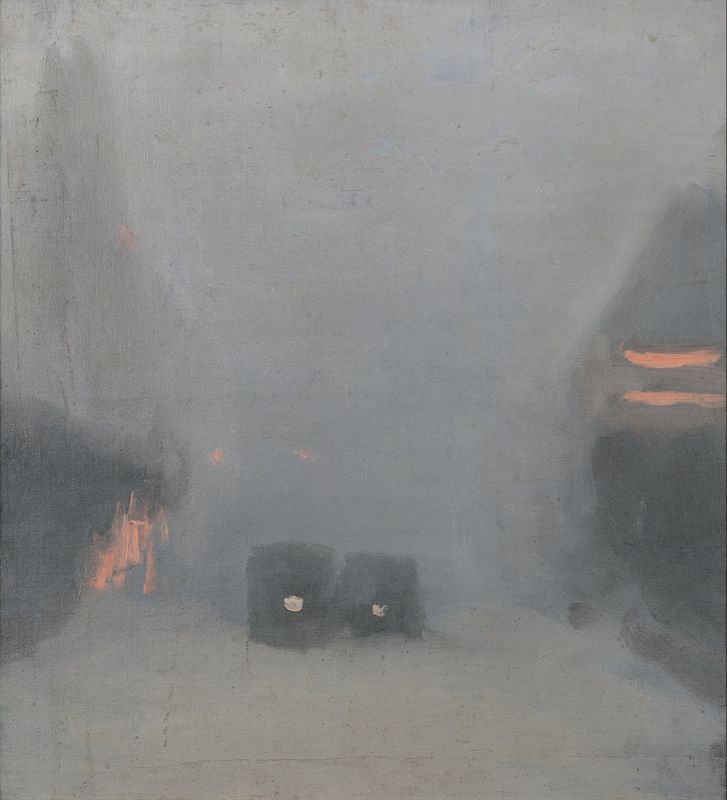 Passing trams
1931 · Art Gallery of South Australia
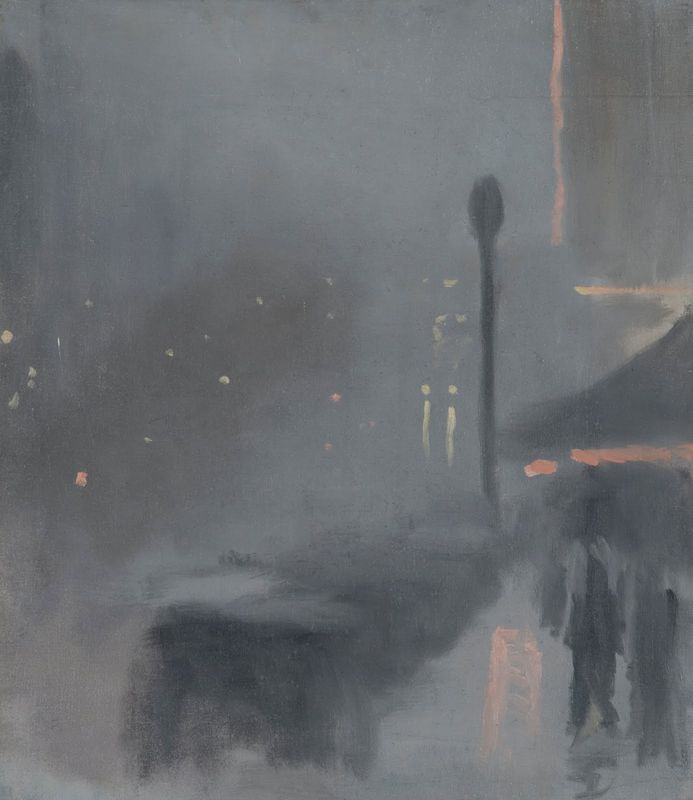 Taxi Rank
1931