
“Welcome to the world of contemporary Chinese ink wash painting, where ancient traditions meet modern experimentation.”
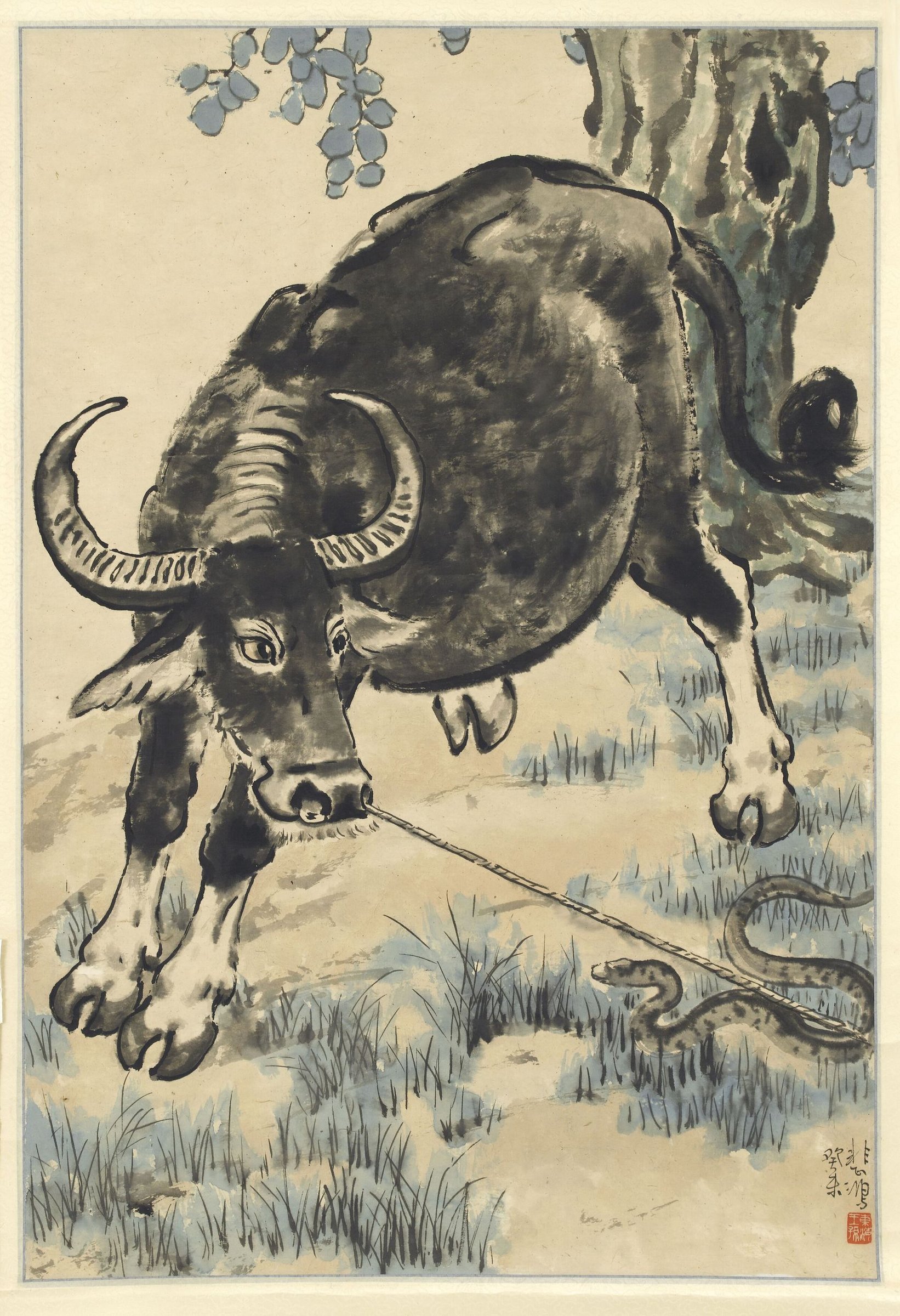
If you're standing in front of one of these works, you'll immediately notice the fluidity—those gorgeous gradations from deep black to the palest gray, all achieved with ink and water on absorbent paper or silk. This isn't just about preserving tradition; today's artists are pushing boundaries, sometimes adding color, working on enormous scales, or incorporating abstract elements that would have shocked classical masters.
What makes contemporary ink wash painting so captivating is this tension between reverence and rebellion. Artists today have studied the old masters—think misty mountains, bamboo groves, and scholarly retreats—but they're applying these techniques to contemporary subjects. You might see urban landscapes rendered in traditional brushstrokes, or abstract compositions that use ink's natural properties in completely new ways. The movement represents a global renaissance, with artists in China and throughout the diaspora reclaiming and reinventing this medium for the 21st century.
From across the room, you'll spot these works by their characteristic monochromatic palette (though some contemporary artists add subtle color) and that distinctive way the ink seems to breathe on the surface—pooling here, fading there, creating texture and atmosphere rather than hard lines. Unlike Western watercolors, which often feel precise and controlled, ink wash paintings embrace spontaneity and accidents. The artist works quickly, letting the ink spread and bleed, capturing energy and essence rather than photographic detail. It's meditation made visible.
- Period
- c. 2000–present
- Peak
- around 2015
- Born in
- China
- Key artists
- Fu Baoshi, Huang Binhong, Jiang Zhaohe, Li Keran
- Came before
- Traditional Chinese ink wash painting (literati painting tradition)
- Came after
- Ongoing movement
When it happened
- CAME BEFORETraditional Chinese ink wash painting (literati painting tradition)
- ~2000 · STARTED
- ~2015 · PEAKED
- CAME AFTEROngoing movement
What makes it Chinese ink wash painting
Gradated Ink Tones
Rich blacks fade to misty grays through water dilution, creating atmospheric depth without using perspective or shading.
e.g. Dragon Veins by Liu DanExpressive Brushwork
Visible brush strokes—bold, decisive marks or delicate lines—show the artist's hand and energy in every gesture.
e.g. Fingertip Sketching Mountains by Zeng XiaojunNegative Space as Subject
Blank paper isn't empty—it represents mist, water, or sky, making what's NOT painted as important as what is.
e.g. Lotus Series by Wang TiandeContemporary Subject Matter
Modern cityscapes, figures, or abstract concepts rendered in traditional ink technique, bridging ancient and new.
e.g. Beijing Landscape by Li HuayiLayered Transparency
Multiple washes create depth as ink soaks into absorbent paper, with earlier layers visible through later ones.
e.g. Mountains and Water by Yang YongliangHow to spot Chinese ink wash painting
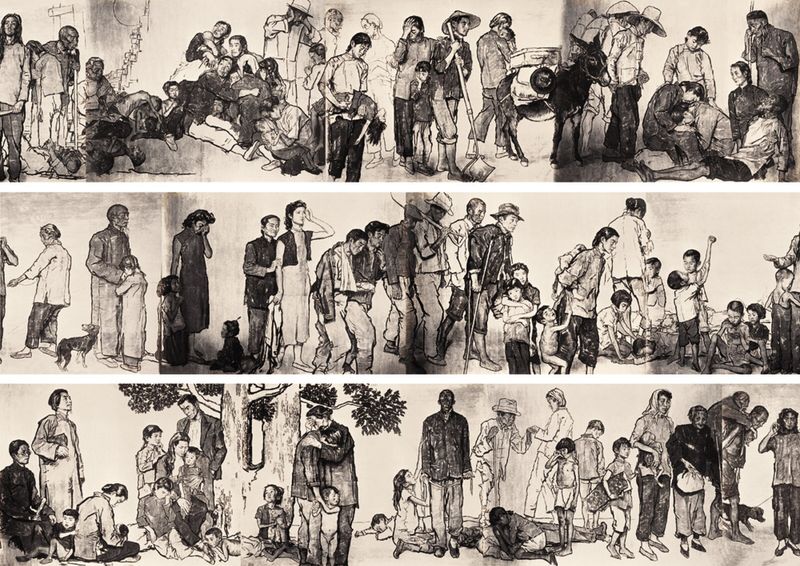
Three signs you’re standing in front of one — all easy to see in Liumin Tu.
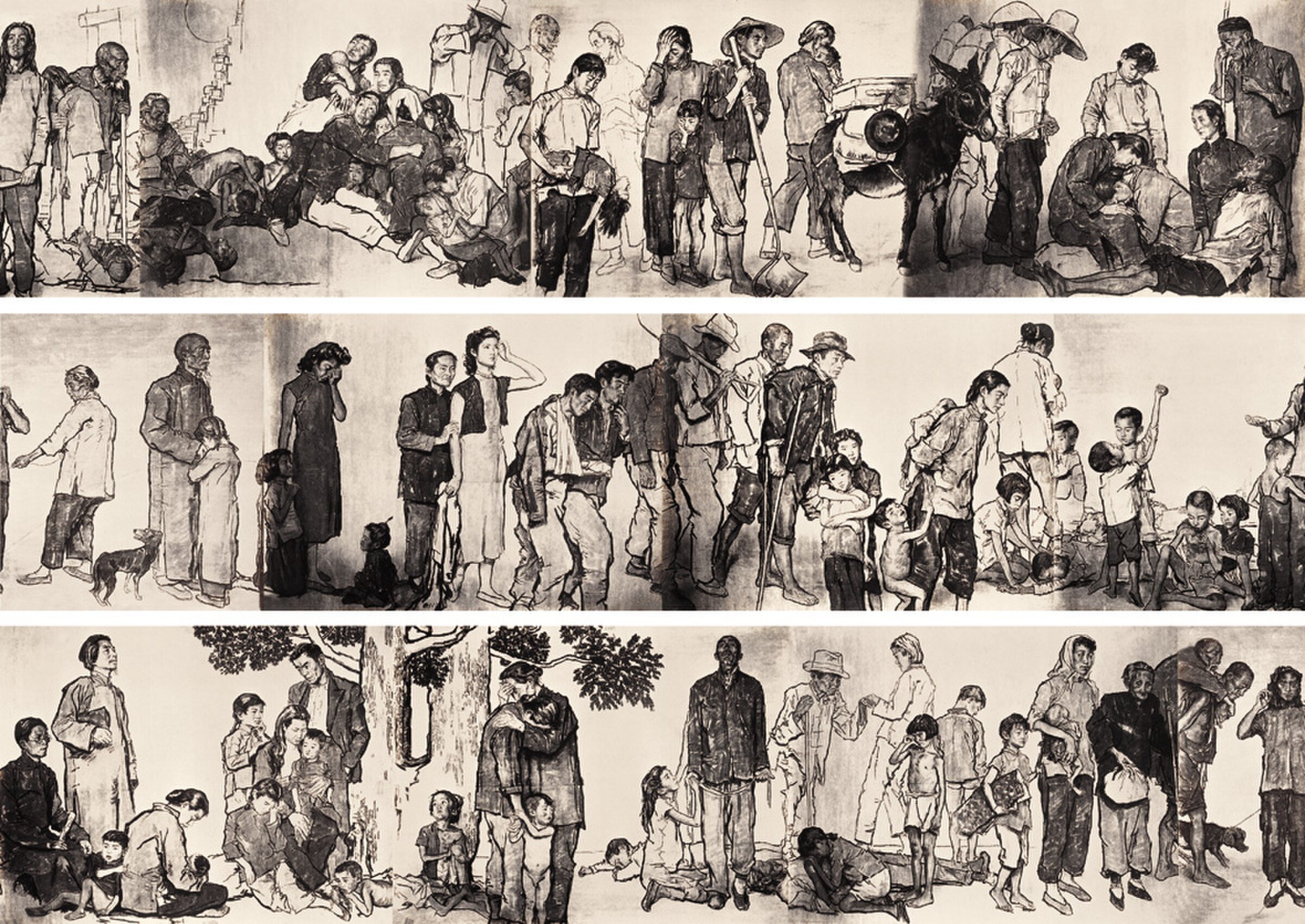
Look for monochromatic or near-monochromatic palettes dominated by black ink with atmospheric gray washes that seem to float on the surface.
Notice how areas of blank paper function as active elements—they're not mistakes but intentional representations of space, mist, or light.
Check for the interplay of precise calligraphic marks alongside spontaneous bleeds and blooms where ink and water meet on absorbent surfaces.
Many contemporary ink artists intentionally create controlled 'accidents' by tilting paper or adding salt, embracing unpredictability as collaboration.
Some artists burn holes in their paper first, then paint around them, incorporating destruction into creation as a philosophical statement.
The same brushes and ink used today were invented over 1,000 years ago—contemporary artists use Tang Dynasty technology for 21st-century ideas.
The artists who defined it
Works to know
Take Chinese ink wash painting to the museum
Point your phone at any painting and Art Whisper tells you its story — who made it, what to notice, and why it matters. Free to start.