
“Imagine stepping into a gallery where the walls seem to breathe softly — where mist hangs over mountains made of crushed malachite and azurite, and cranes float across silk as if they might actually take flight.”
That's the world of Nihonga, a distinctly Japanese painting tradition that was formally named during the Meiji period (1868–1912) to preserve and champion centuries of Japanese artistic heritage at a moment when Western influence was flooding into the country at full speed.
Nihonga artists worked with an extraordinary palette of natural materials: powdered minerals like azurite, malachite, and cinnabar were mixed with animal-hide glue and applied to silk or washi paper. The results have a luminous, almost velvety quality you won't find in oil painting — colors seem to glow from within rather than sit on the surface. Subjects tend toward the poetic: seasons changing, birds mid-flight, classical literary scenes, and landscapes that feel more like meditations than maps. The style draws deeply from the older Yamato-e and Kano school traditions while absorbing subtle modernist influences.
What makes Nihonga so compelling in a museum context is its quiet insistence on slowing you down. There are no aggressive brushstrokes demanding your attention — instead, you find yourself leaning closer, noticing the delicate gradations of a wash, the almost invisible outline of a petal, the way negative space is treated as a living presence rather than an absence. Artists like Yokoyama Taikan, Hishida Shunsō, and Uemura Shōen brought this tradition into the twentieth century with stunning sophistication, and Nihonga continues to be practiced and taught in Japan today.
- Period
- c. 1809–1850
- Peak
- around 1910
- Born in
- Kingdom of the Netherlands
- Key artists
- Hashimoto Gahō, Hishida Shunsō, Kanō Hōgai, Kawabata Gyokushō
- Came before
- Kano school and Yamato-e classical Japanese painting
- Came after
- Contemporary Nihonga — the tradition continues in living artists and dedicated university programs in Japan
When it happened
- CAME BEFOREKano school and Yamato-e classical Japanese painting
- ~1868 · STARTED
- ~1910 · PEAKED
- CAME AFTERContemporary Nihonga — the tradition continues in living artists and dedicated university programs in Japan
What makes it Nihonga
Mineral Pigment Luminosity
Colors glow with a soft, powdery depth — crushed stone pigments create a texture unlike any oil or watercolor.
e.g. Clouds (Mugen) by Yokoyama TaikanSilk & Washi Paper Support
Look for a slightly translucent, textile-like quality to the surface — the weave of silk often subtly shows through.
e.g. Fallen Leaves by Hishida ShunsōPoetic Use of Empty Space
Blank areas are intentional and expressive — empty sky or water carries as much weight as the painted subject.
e.g. Sea and Mountain in Spring by Yokoyama TaikanNature as Central Subject
Birds, blossoms, seasons, and landscapes dominate — often rendered with deep symbolic and emotional resonance.
e.g. Late Spring by Uemura ShōenFluid, Restrained Line Work
Outlines are whisper-thin or absent entirely, with form built through layered washes rather than bold contour.
e.g. Hotaroi (Firefly) by Hishida ShunsōHow to spot Nihonga
Three signs you’re standing in front of one — all easy to see in Seascape.
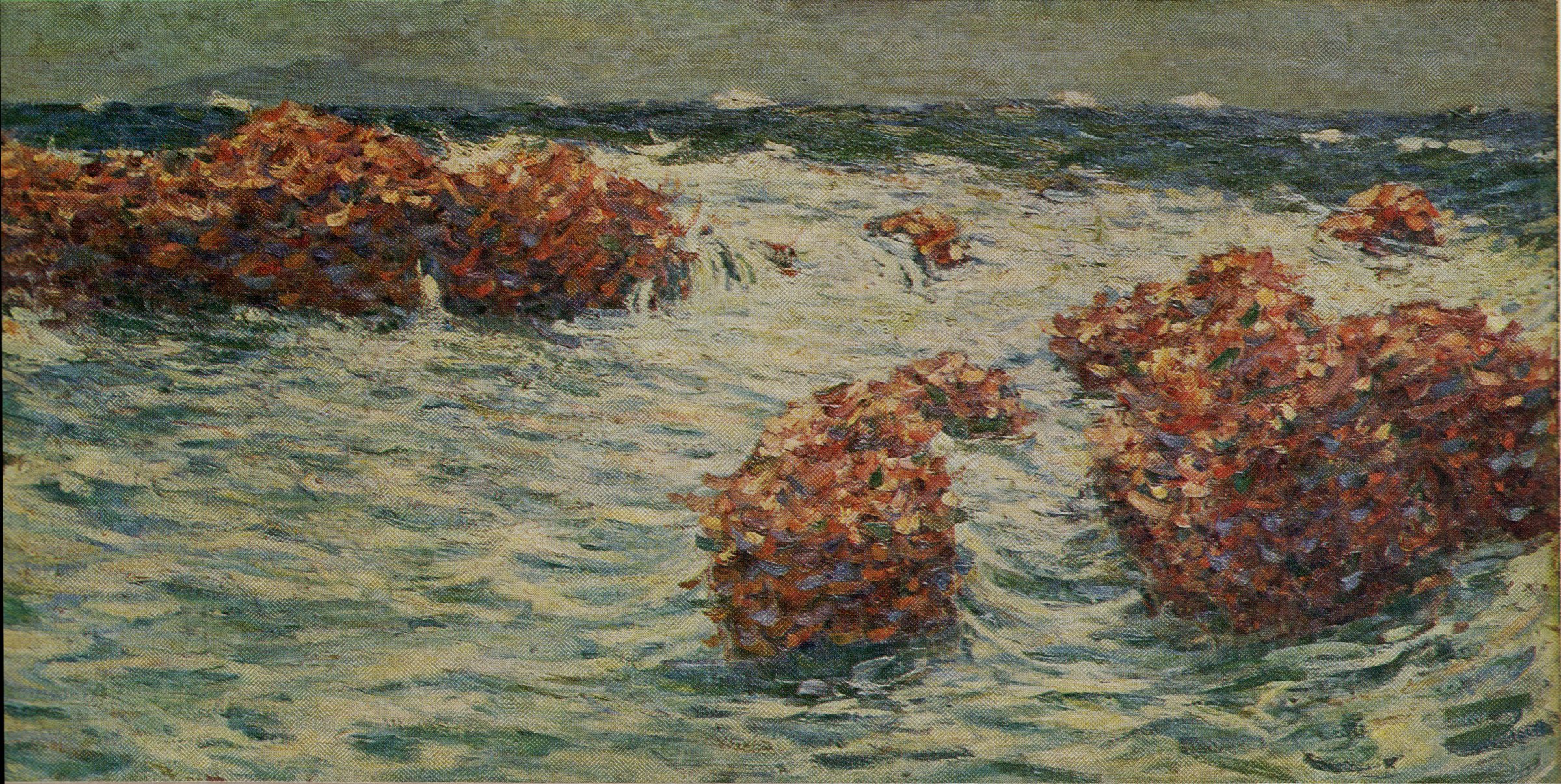
Look for that soft, almost chalky glow in the colors — mineral pigments catch light differently than oil or acrylic paint.
Check the surface: silk support gives a subtle textile shimmer, and washi paper lends a warm, fibrous texture you can often see up close.
Notice what isn't painted — large areas of untouched ground are a deliberate compositional choice, not unfinished work.
Some Nihonga pigments are made from semi-precious stones like azurite and malachite — you're literally looking at crushed gemstones on silk.
The term 'Nihonga' was essentially invented as a cultural defense strategy — coined to protect Japanese aesthetics from being swallowed by Westernization.
Yokoyama Taikan experimented with removing outlines entirely in a technique called 'Morotai,' causing scandal before it became celebrated.
The artists who defined it
Works to know
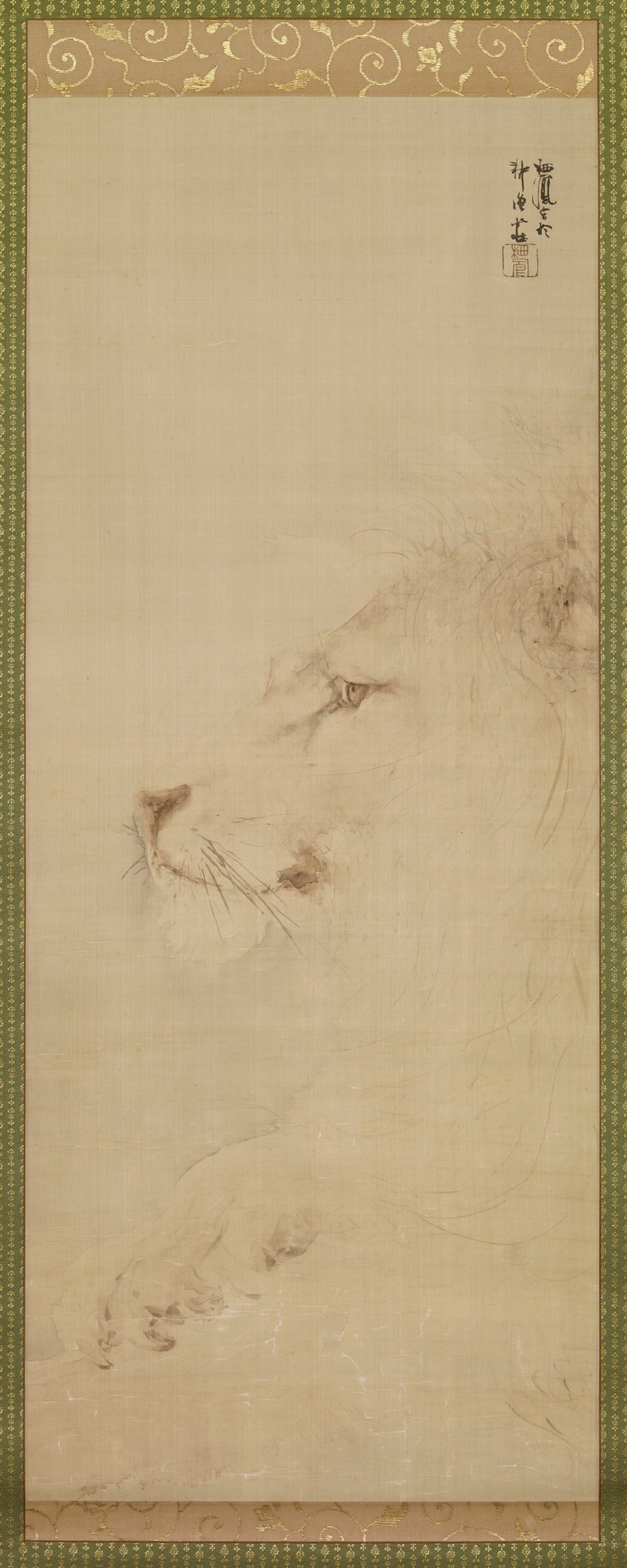
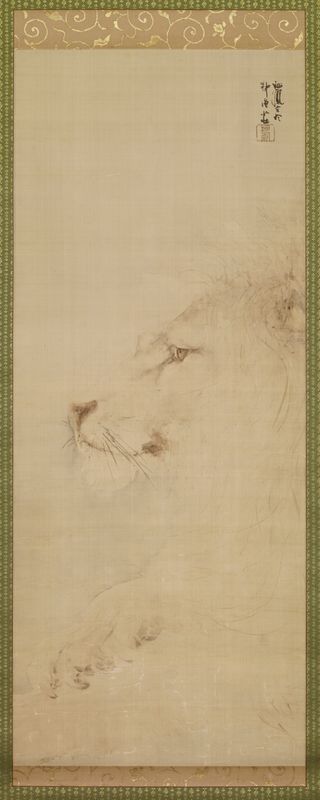 Head of a Lion
1901 · Yale University Art Gallery
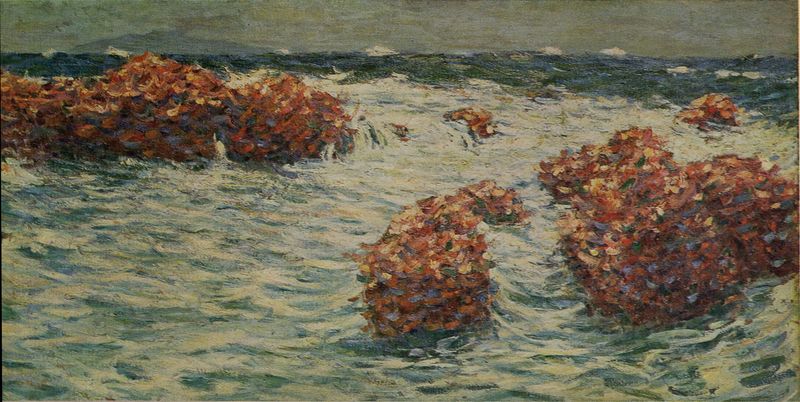 Seascape
1904
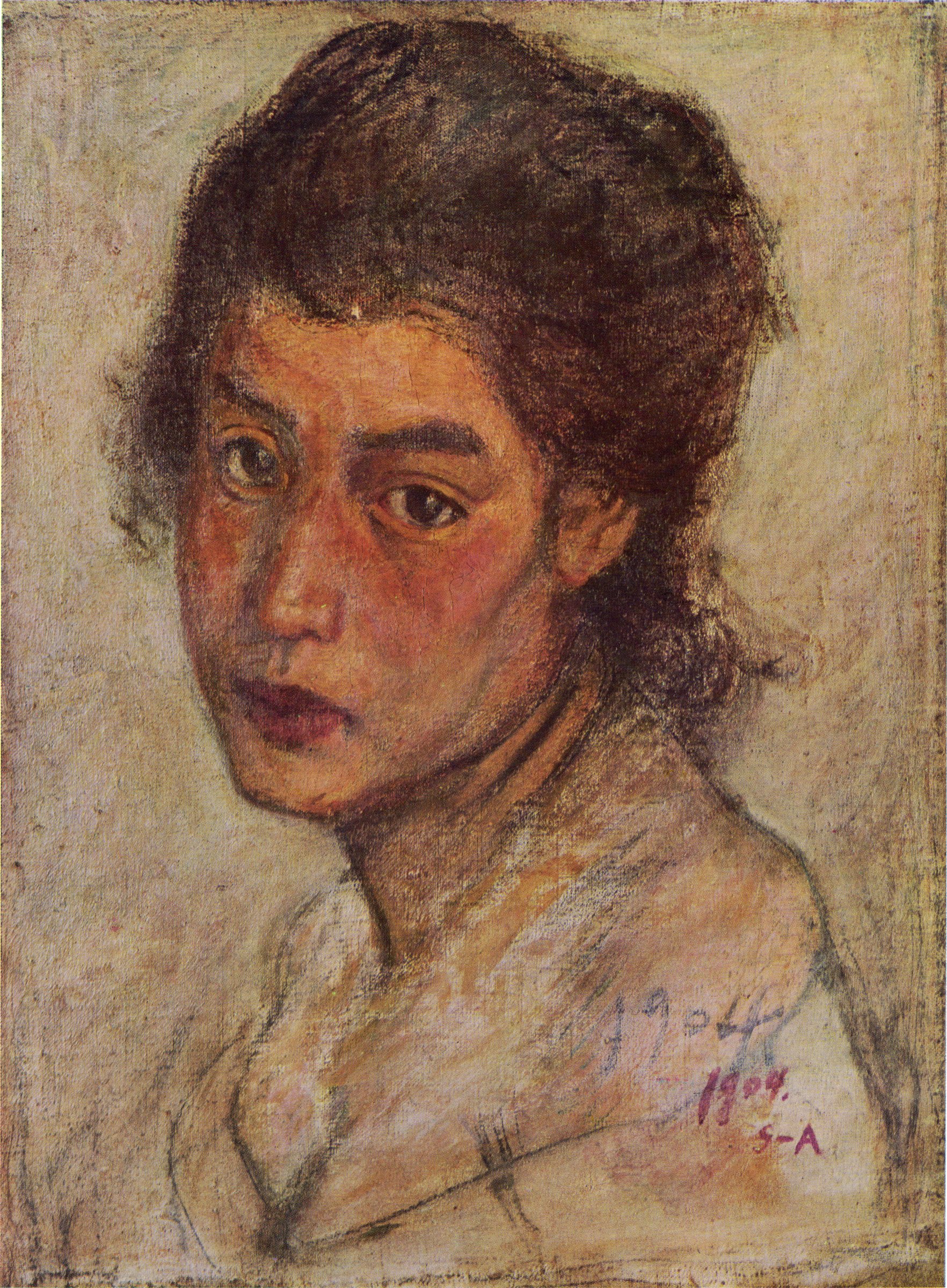
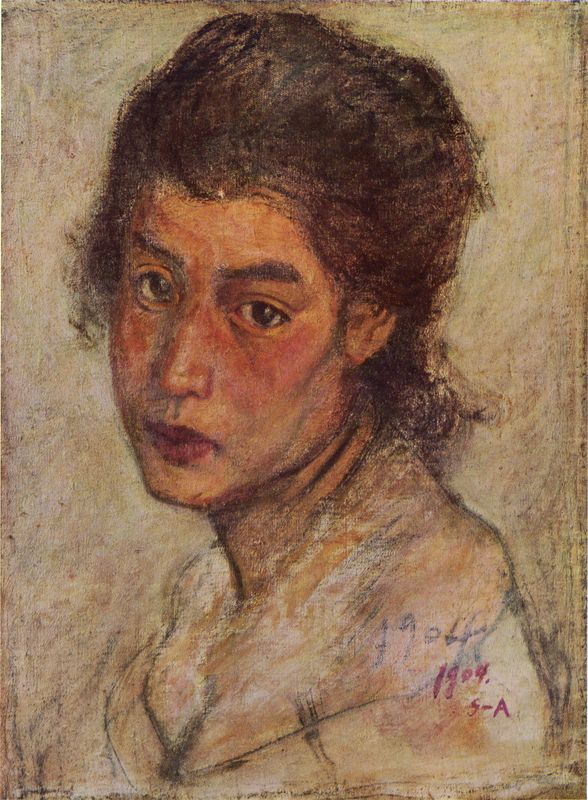 Head of a Woman
1904
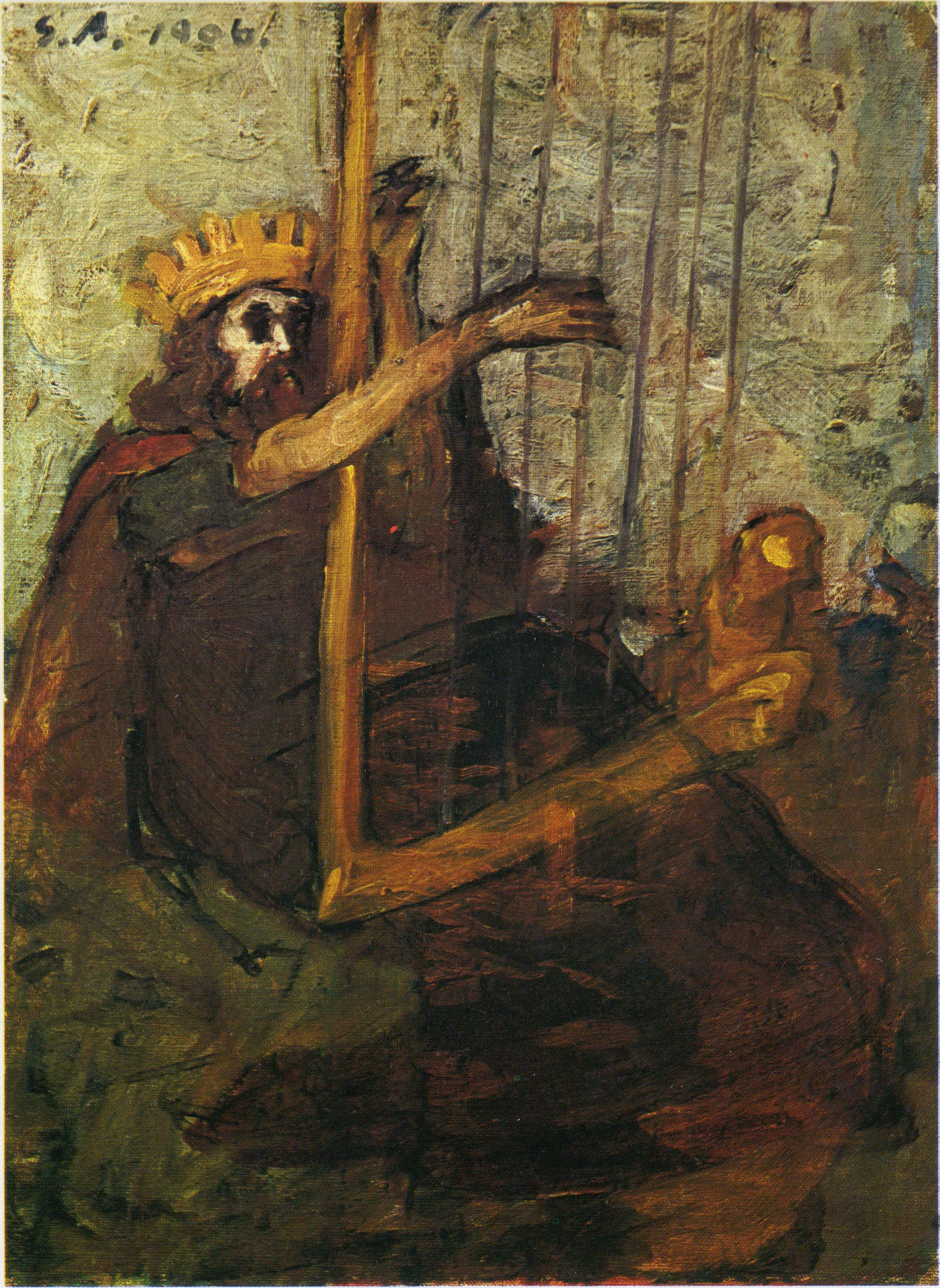
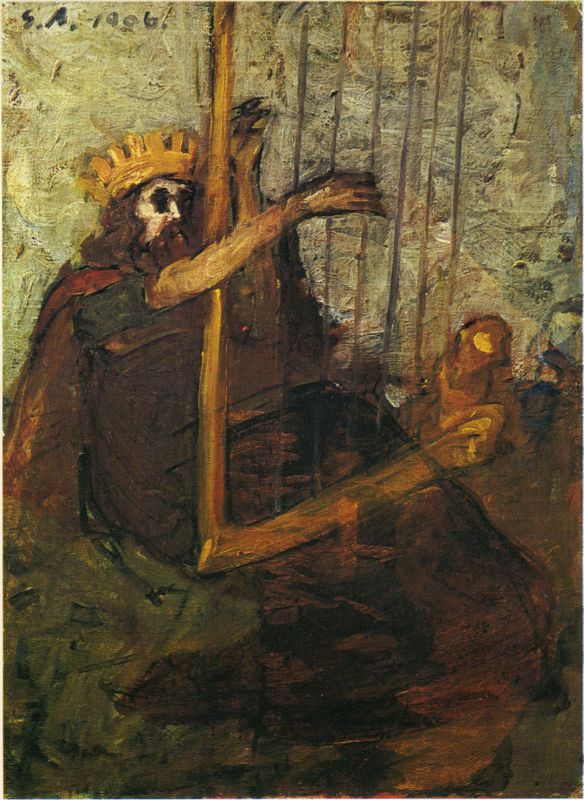 Psalm of David, An Illustration for The Story of the Old Testament
1906
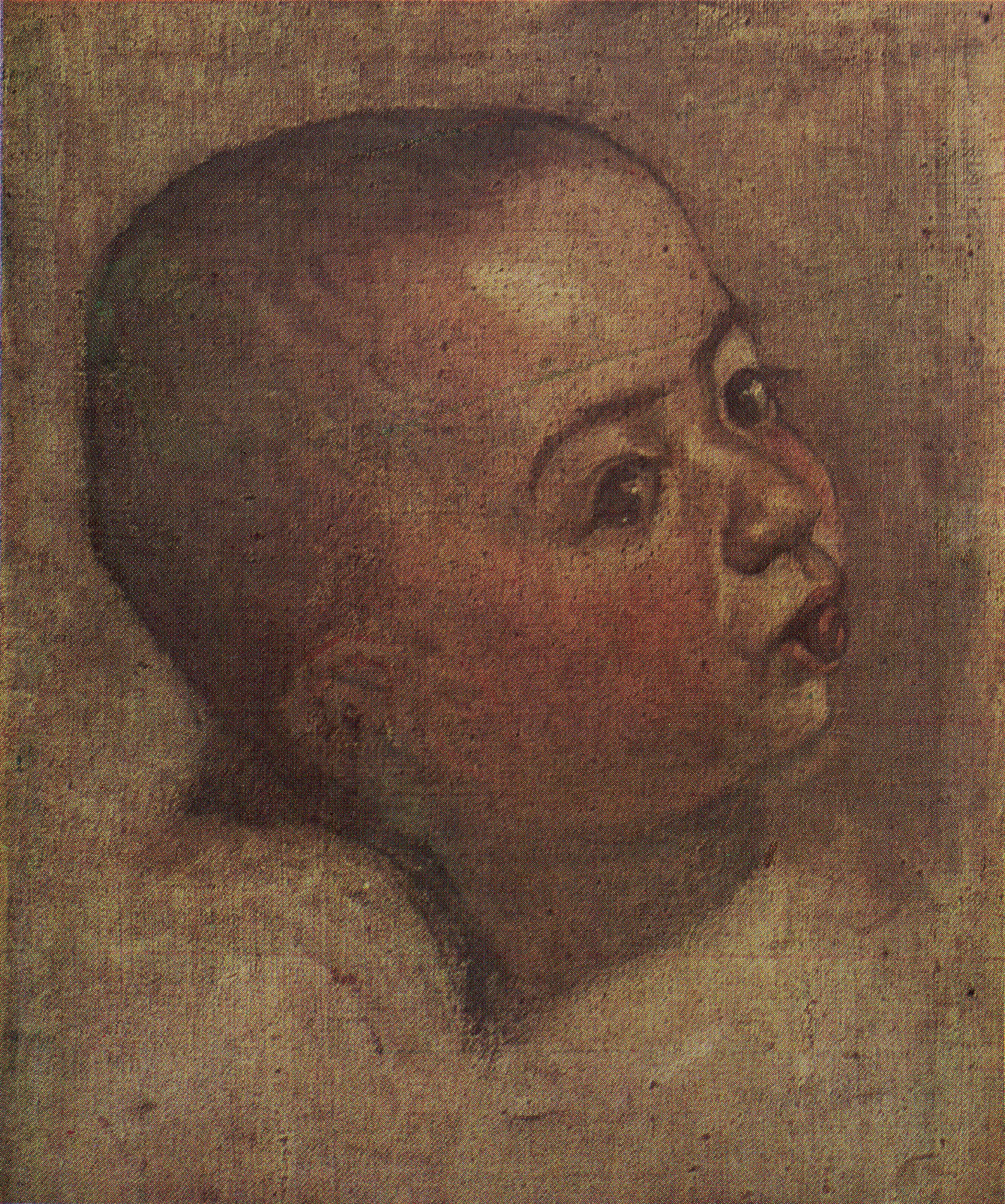
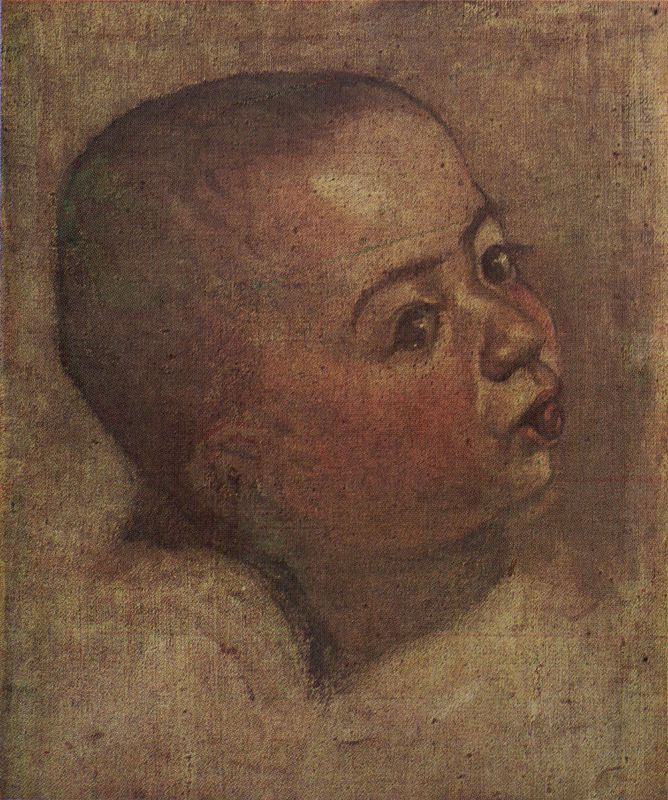 Portrait of Yukihiko
1907
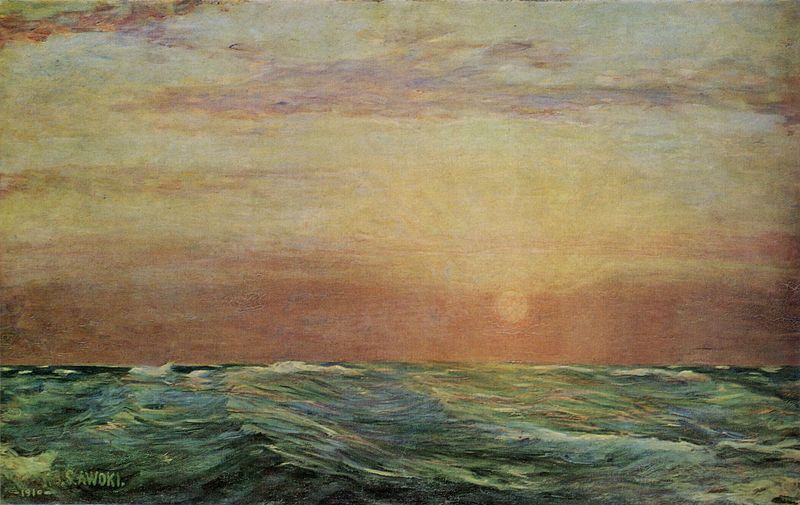 Rising Sun
1910
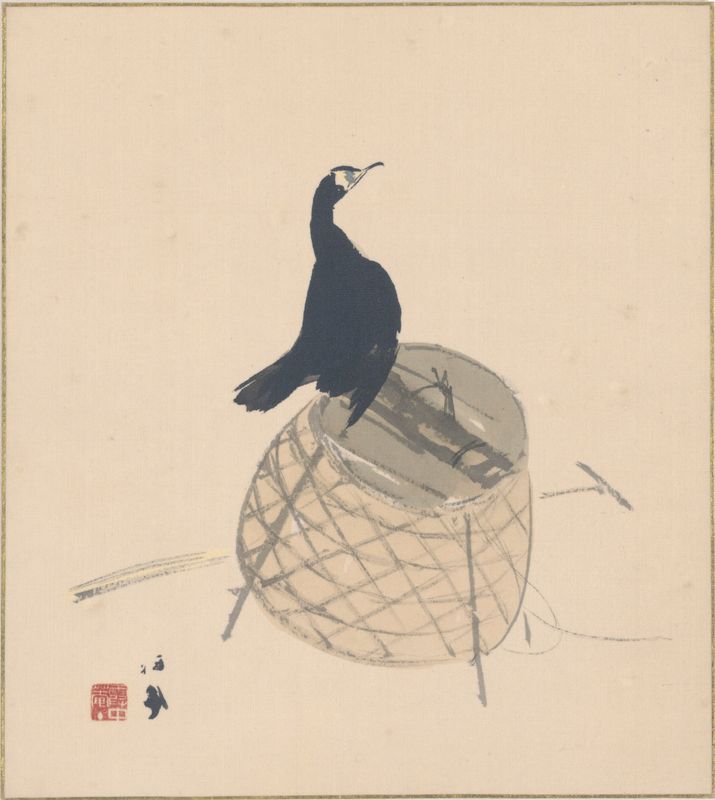 Cormorant on a Basket
1925 · Yale University Art Gallery
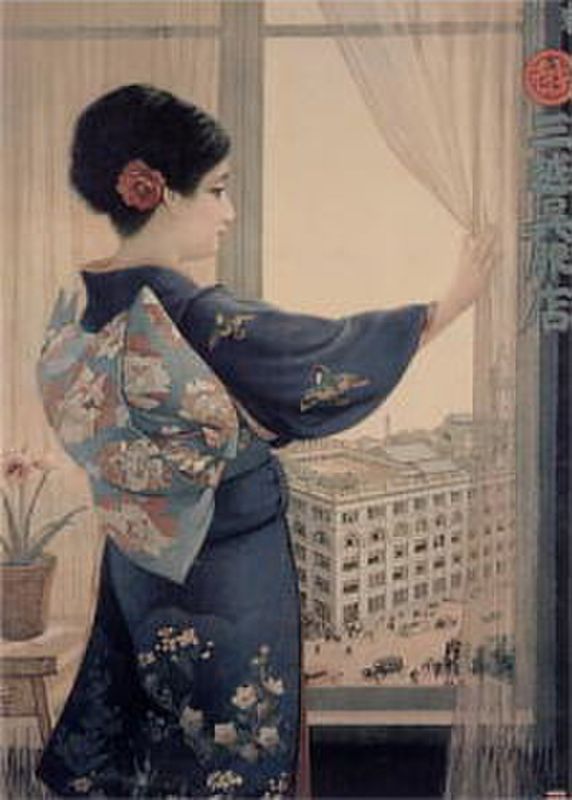 At the Window
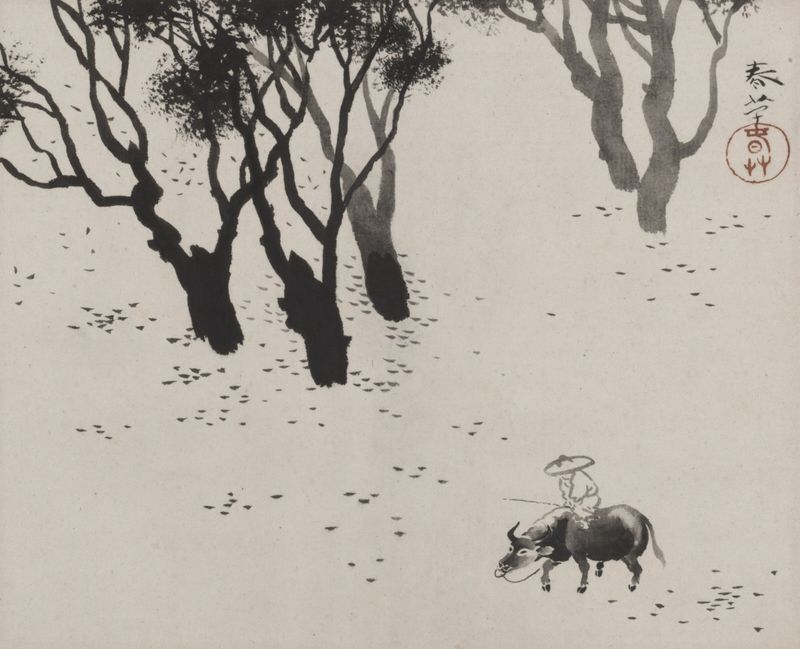 Herd Boy
Yale University Art Gallery
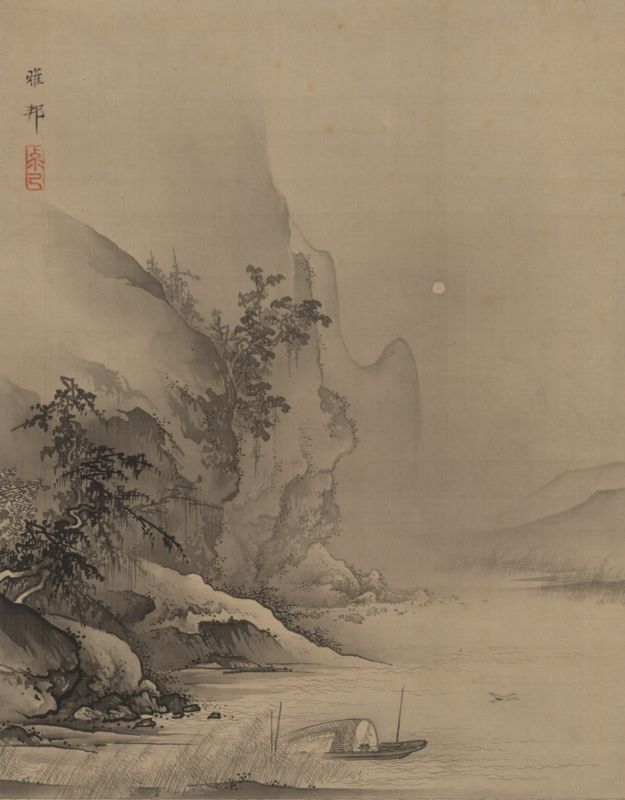 The Second Ode on the Red Cliff
Yale University Art Gallery
Take Nihonga to the museum
Point your phone at any painting and Art Whisper tells you its story — who made it, what to notice, and why it matters. Free to start.