
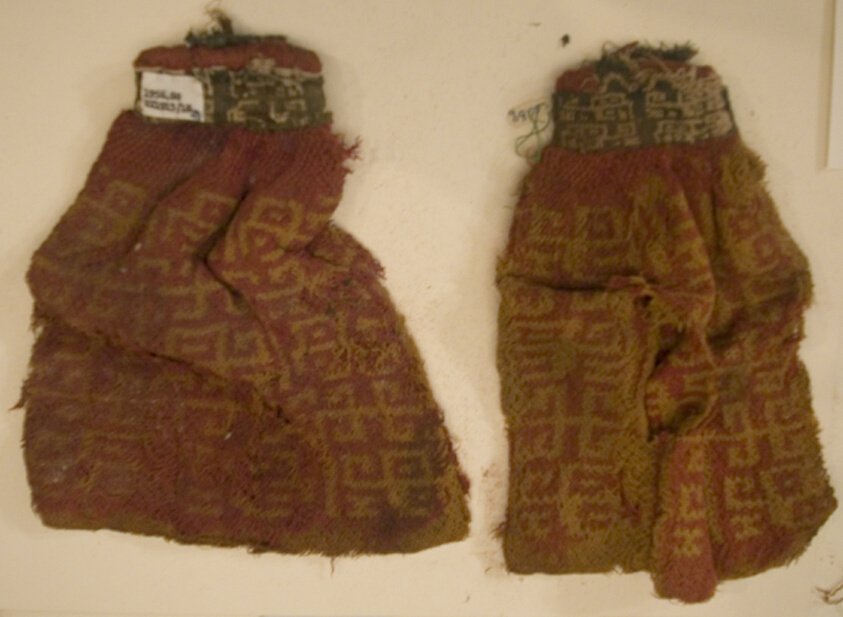
“Step into the world of the ancient Nasca people with these vibrant, intricately woven tassels. Their survival offers a rare glimpse into the sophisticated textile artistry and cultural practices of this remarkable civilization from nearly 1,500 years ago.”
These striking tassels, crafted by the Nasca people around 500 CE, are more than just decorative objects. Each one is a small, vibrant textile, likely part of a larger garment or ceremonial offering. The Nasca culture, flourishing in the arid coastal valleys of southern Peru, was renowned for its sophisticated textiles, pottery, and the enigmatic geoglyphs known as the Nasca Lines. While we can only speculate about the precise function of these particular tassels, their intricate design and careful construction suggest they held significant cultural or ritualistic importance. Imagine them adorning a cloak, a headdress, or perhaps marking a sacred space, catching the light and swaying with movement. Their survival over centuries offers a tangible link to a rich and complex ancient civilization.
- Artist
- Nasca
- Date
- 500
- Location
- Art Institute of Chicago
- Collection
- Textiles
- Culture
- Peru
- Credit line
- Purchased with funds provided by Mrs. Edwin A. Seipp
What to Notice
Four details hide in plain sight. Here’s where to look.
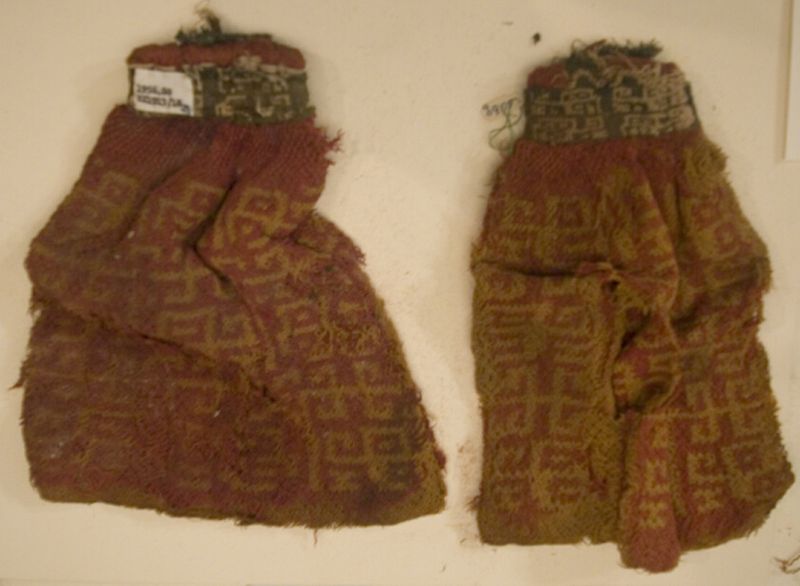
Observe the vibrant, earthy colors still present in the threads.
Note the intricate patterns woven into each individual tassel.
See how the fibers are tightly twisted and knotted, showcasing skilled craftsmanship.
Imagine these tassels as part of a dynamic, moving costume.
Stand in front of it and listen
The full narration walks you through Tassels — the story behind it, the details most visitors miss, and why it matters. Free in the Art Whisper app.