
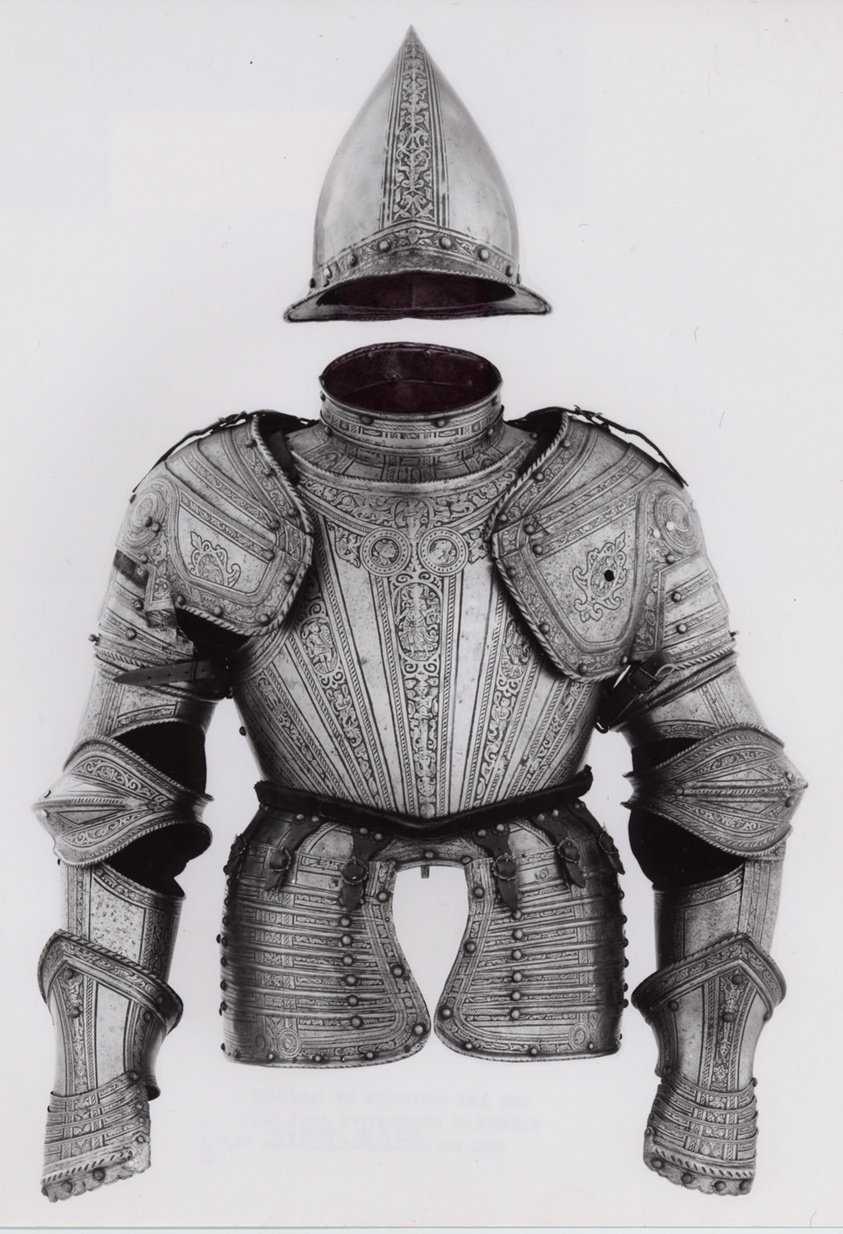
“This 'Half Armor' is a remarkable steel artifact from the mid-16th century, showcasing the sophisticated protective gear of the Renaissance. It's a testament to historical craftsmanship, despite an unusual attribution to the painter J. M. W. Turner.”
This 'Half Armor' from around 1560-70, crafted from steel, is a striking example of the protective gear worn during the Renaissance. While the Art Institute of Chicago attributes this piece to J. M. W. Turner, a celebrated English Romantic painter known for his expressive landscapes and marine paintings, it's important to note that this attribution is highly unusual given Turner's known body of work. Turner (1775-1851) was a painter, printmaker, and watercolourist, and his career was dedicated to elevating landscape painting, not crafting armor. The museum's collection records show several other armor pieces from similar periods, suggesting this 'Half Armor' is likely a historical artifact rather than an artwork created by the painter J. M. W. Turner. It would have provided crucial protection for a soldier, covering the torso and upper thighs, reflecting the advanced metallurgy and design of its era.
- Date
- 1560
- Medium
- Steel
- Location
- Art Institute of Chicago
- Dimensions
- Cuirass with tassets: 53.4 × 42.6 × 19.4 cm (21 × 16 3/4 × 7 5/8 in.)
What to Notice
Four details hide in plain sight. Here’s where to look.
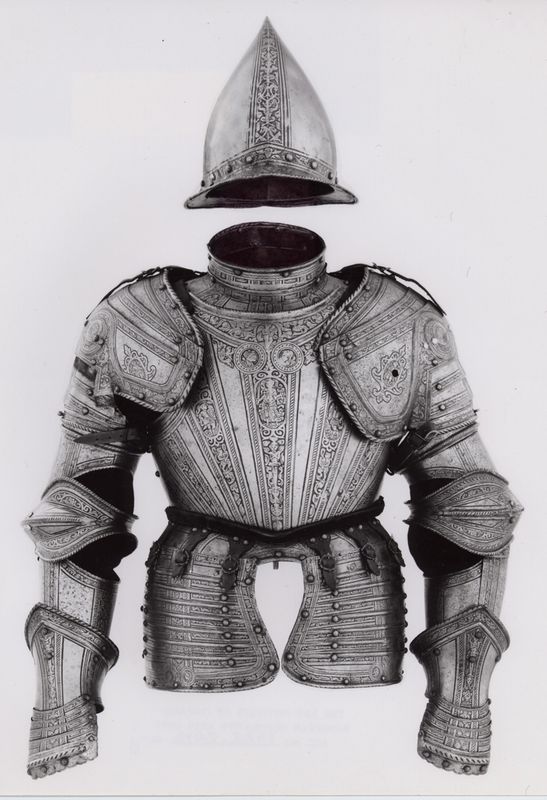
The polished, reflective surface of the steel
The subtle curves designed to deflect blows
The tassets, protecting the upper thighs
The intricate craftsmanship of the joints
Stand in front of it and listen
The full narration walks you through Half Armor — the story behind it, the details most visitors miss, and why it matters. Free in the Art Whisper app.